Vietnam Mortgage Surge Pushes Homes Out of Reach
 Lithuanian Apartment Prices Accelerate Across Major Cities
 London Flats Lose Value Ahead of Leasehold Reform
 Construction of the Batumi–Sarpi Highway Begins in Georgia
 Baltic Property Investment Accelerates in 2026
 Hong Kong and Singapore Renew Their Expat Rivalry
EU Business Investment Falls to Lowest Level in a Decade

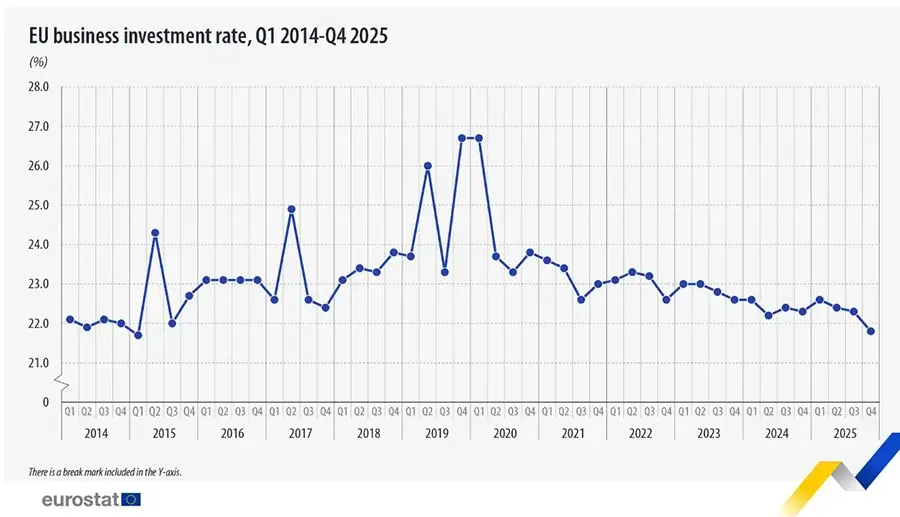
Business investment in the European Union has dropped to its lowest level in nearly ten years. The investment rate reached 21.8% at the end of 2025, marking the weakest reading since the third quarter of 2015, according to Eurostat. The International Monetary Fund (IMF) warns that the EU economy could face recession without significant reforms.
Investment Trends in the European Union
The long-term trend reveals two distinct periods. Between 2014 and 2018, business investment activity in the EU steadily increased, rising from 22% to nearly 24%. However, the trend reversed in 2021, with the rate declining almost continuously and falling to 21.8% in the fourth quarter of 2025.
Several sharp spikes were recorded in the second quarter of 2015, 2017, and 2019, as well as in late 2019 and early 2020. Experts attribute these surges to a sharp increase in intellectual property imports in certain EU countries, driven by globalization processes.
Leaders and Laggards in EU Business Investment
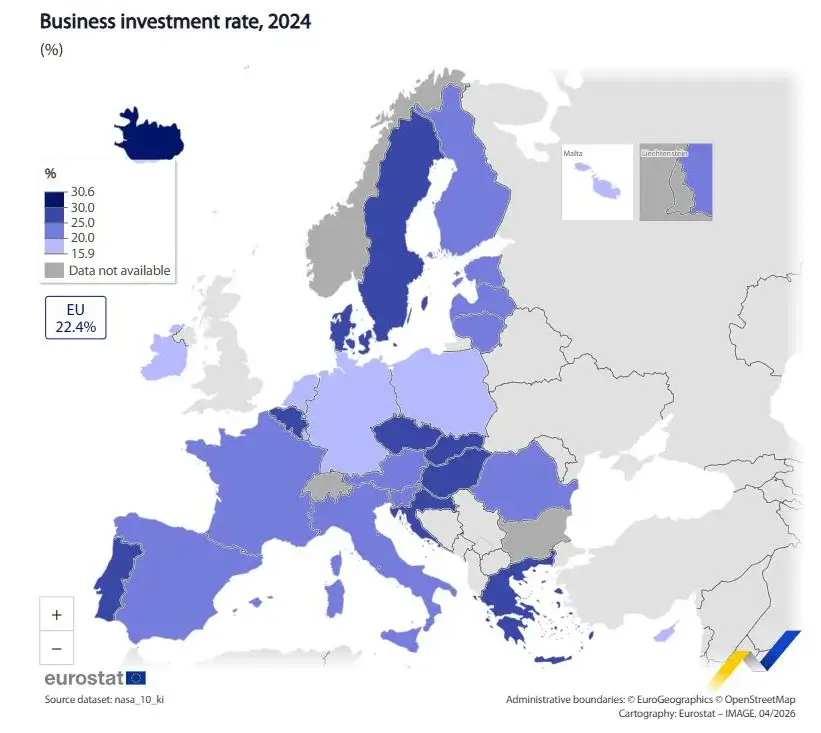
At the country level, the latest comparable data is available for 2024. Hungary recorded the highest business investment rate at 28.4%, followed closely by Croatia at 28.3%. Strong figures were also reported in Czechia at 27.6%, Belgium at 27.0%, and Sweden at 26.9%.
At the other end of the ranking was Luxembourg, where the business investment rate stood at just 15.9%. Low levels were also recorded in Ireland and Cyprus, both at 16.0%, the Netherlands at 16.7%, and Malta at 16.8%.
Weakening Investment in Europe: IMF
The decline in business investment activity coincides with broader deterioration in economic expectations. Alfred Kammer, Director of the European Department at the International Monetary Fund (IMF), said early data already point to weaker private investment and consumption across Europe.
Before the outbreak of war in the Middle East, growth forecasts for the European economy could have been revised upward. However, the new energy shock has altered the outlook. Growth is slowing while uncertainty is increasing. Industrial energy costs in the EU are now roughly twice as high as before 2022 and remain significantly above US levels.
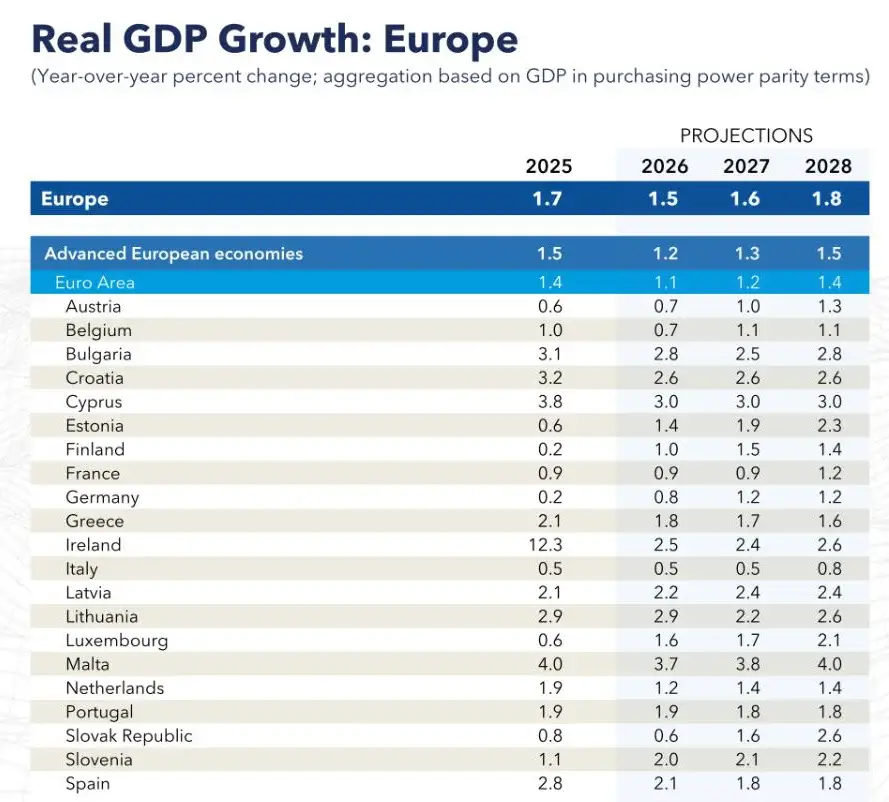
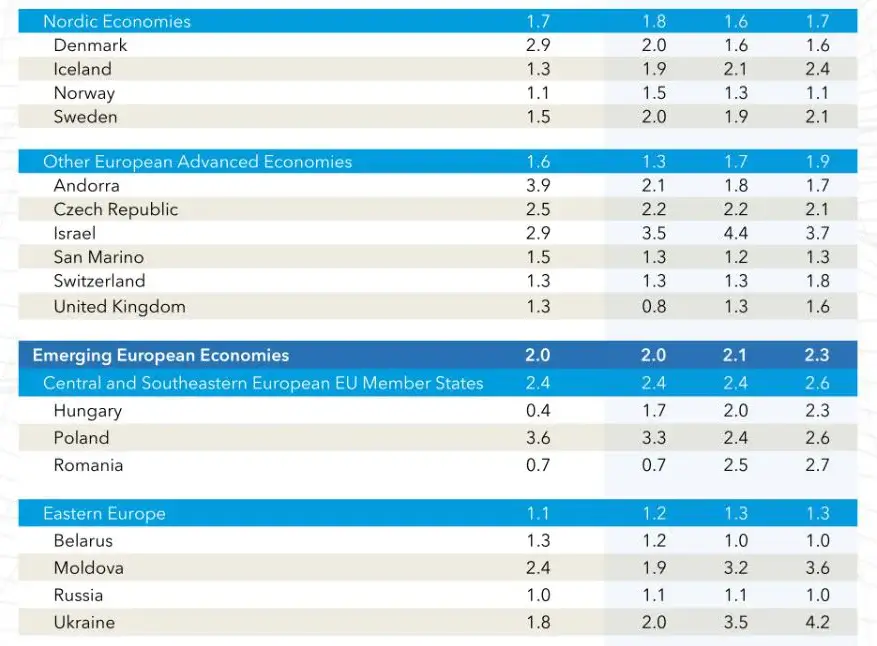
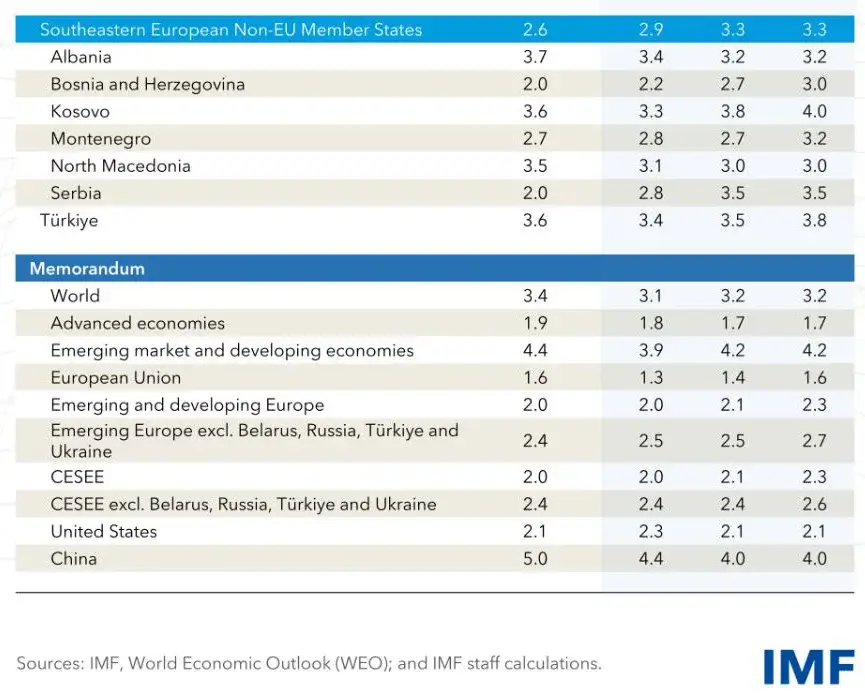
The IMF expects the euro area economy to grow by only 1.1% in 2026, while the European Union as a whole is projected to expand by 1.3%. Under a more adverse scenario, if energy supply disruptions persist and financial conditions tighten, the EU could come close to recession, with inflation approaching 5%.
Reforms Could Bring €800 Billion to the EU
The IMF argues that Europe needs to accelerate energy market reforms, expand cross-border energy system integration, and increase the share of low-carbon electricity generation to reduce dependence on external energy shocks.
Removing internal structural barriers and deepening integration of labor and product markets across Europe could increase EU productivity by 20% and mobilize up to €800 billion in additional private investment over the next decade.
As a result, output per capita in Europe could rise substantially, while the economy would become more resilient to external shocks, including energy crises and geopolitical risks. For now, however, analysts at International Investment note that negative factors are creating long-term competitive pressure on European companies, particularly energy-intensive industries, and may continue to restrain business investment in equipment, production expansion, and new projects.