







 China Nears a Decision on Fresh Stimulus
 Fines for Illegal Rentals in Spain Reach €800,000
 Australia’s Spring Auctions Rise but Remain Well Below 2025
 Number of Foreigners Holding Turkish Residence Permits Exceeds 1.27 Million
 Demand from Russian Tourists for Holidays in Georgia Rises by 20–25%
 Montenegro Property Buying Costs in 2026
Severe Weather Disrupts Air Travel Across China
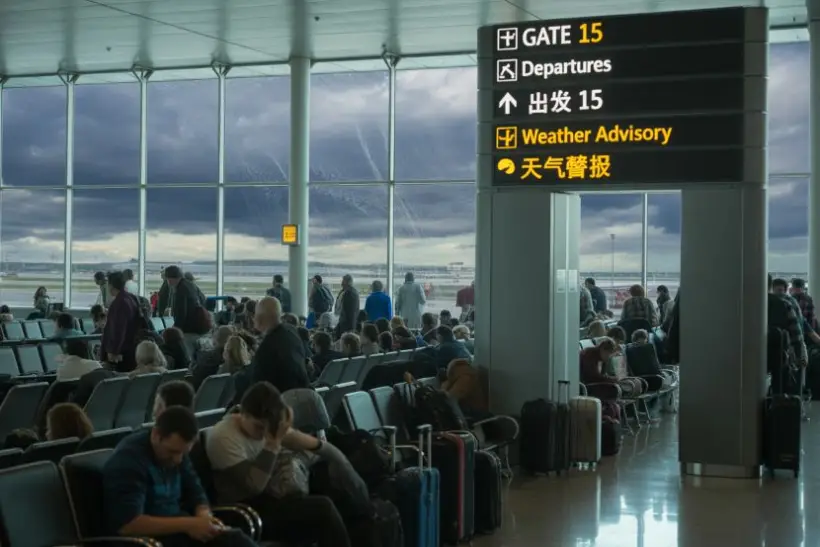
Severe weather conditions have triggered widespread disruption across China’s aviation network, grounding flights and delaying hundreds more operated by the country’s largest carriers. China Eastern Airlines, Shanghai Airlines and Air China have all been affected, causing significant congestion at major hubs including Shanghai, Beijing and Chengdu.
Dozens of flights grounded, hundreds delayed
According to airline and airport data, adverse weather forced the cancellation of at least 34 flights, while 924 additional services were delayed. Both domestic and regional routes were impacted, particularly those linking eastern China with central and western provinces. The disruptions cascaded through the network, leaving passengers stranded and airports operating well above normal capacity.
Shanghai emerges as a key pressure point
China Eastern Airlines recorded the largest number of cancellations, with flights linking Shanghai to cities such as Taiyuan, Lanzhou, Jinan and Nanjing suspended. Shanghai Pudong International Airport became one of the hardest-hit hubs, as passengers faced long waits for updates, rebooking options or accommodation.
Shanghai Airlines, a subsidiary of China Eastern, also grounded multiple services, including routes to Nanchang, Baotou and Chongqing. Business travellers and transit passengers were among those most affected, with missed connections and extended delays.
Air China disruptions hit Beijing and Chengdu
Air China’s network was similarly affected, with cancellations on key routes connecting Beijing with Chengdu and Nanjing. Both Beijing Capital and Daxing airports experienced congestion in departure halls, as passengers struggled to secure seats on alternative flights amid already high demand.
Passenger impact and tourism fallout
For travellers, the immediate impact was severe. Cancelled flights resulted in missed meetings, disrupted holidays and unexpected expenses. Some passengers were forced to arrange accommodation at their own cost, while others faced days-long waits for rebooking due to limited seat availability.
The tourism sector in major cities also felt the strain. Reduced arrivals affected hotels, restaurants and local businesses that depend heavily on domestic travel, compounding economic pressures in key tourism hubs.
A growing challenge for the aviation industry
The disruptions highlight the increasing vulnerability of air travel to extreme weather events. Despite China’s extensive aviation infrastructure, airlines and airports face mounting pressure to improve resilience, enhance real-time communication with passengers and streamline rebooking and compensation processes.
As experts at International Investment report, the latest disruptions across China underscore how climate-related risks are becoming a structural challenge for global aviation and tourism. Long-term resilience will depend on investments in predictive technologies, operational flexibility and passenger-centric service models to mitigate future disruptions.