







 Asunción Property Market Accelerates as Construction Booms
 Egypt Expands Aviation for Tourism Growth
 Latvia’s Residence Permits for Real Estate to Be Abolished from September 15
 Egypt Prepares New Law for Property Developers
 Young Japanese Buyers Turn to 50-Year Mortgages
 Argentina Narrows Tourism Gap as Arrivals Rise
Iceland’s Capital Housing Market Shifts Toward Cheaper Homes
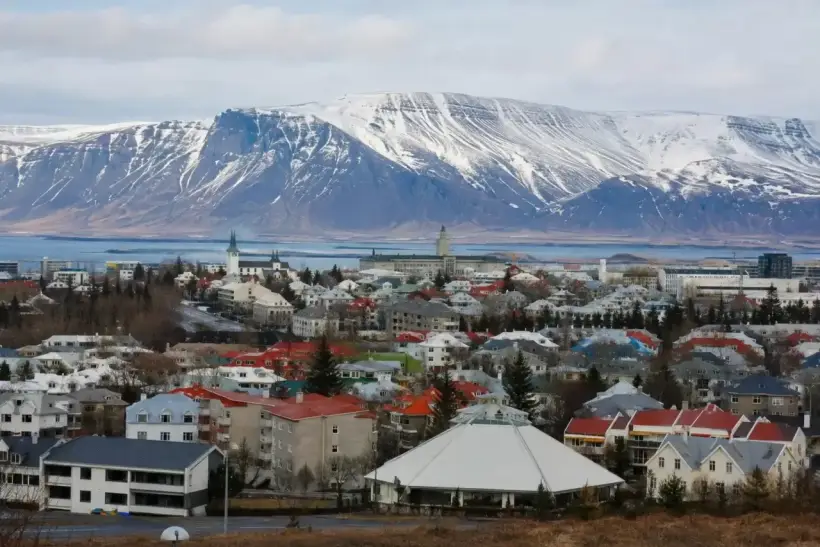
Homebuyers in Iceland’s capital region are increasingly concentrating on less expensive properties: 62% of registered residential purchase agreements there in May 2026 were for homes priced below ISK 80 million. At the same time, housing supply is rising, selling periods have lengthened, inflation-adjusted prices are falling and around 77% of capital-area homes are selling below their advertised price. High mortgage costs remain an important factor reshaping demand.
Iceland Review highlighted the shift on July 23, but the primary statistics require two important corrections. The 62% price figure applies to the capital region rather than Iceland as a whole, while the highest official price category starts above ISK 200 million, not ISK 170 million as stated in the secondary report.
The underlying figures come from the July report of Iceland’s Housing and Construction Authority, or HMS, the government body responsible for housing-market analysis and related statistics.
Most Capital-Region Transactions Are Below ISK 80 Million
About 13% of capital-region residential purchase agreements in May involved homes priced below ISK 50 million. Almost another half fell between ISK 50 million and ISK 80 million, taking the combined share below ISK 80 million to 62%.
The pattern extends beyond a single month. Over the previous 12 months, an average of around 60% of monthly transactions fell into the two lowest price categories, compared with about 46% in 2020.
The comparison is based on purchase prices converted into constant prices using the residential property price index. This reduces the distortion created by nominal house-price inflation and makes the change in the composition of transactions more meaningful.
The share of deals above ISK 80 million has moved in the opposite direction. It averaged roughly 40% over the latest 12 months, compared with around 54% in 2020. The largest contraction occurred between ISK 80 million and ISK 170 million, where the share declined from more than 49% to below 35%.
At the very top of the market, the picture has been more stable. Slightly more than 4% of homes sell for more than ISK 200 million. The ISK 200 million threshold is therefore the correct figure for the highest official price category.
Housing Transactions Remain Historically Weak
Iceland recorded 782 registered residential purchase agreements in May. That was fewer than in the same month of any of the preceding 10 years except 2023, when 731 agreements were registered.
The 782 agreements covered 887 individual properties because several transactions involved bulk acquisitions of multiple homes. Contract counts and property counts should therefore not be treated as the same measure.
Almost 62% of all May agreements nationwide related to homes in the capital region. That statistic happens to be almost identical to the 62% share of capital-region transactions below ISK 80 million, but the two measures describe entirely different things.
Registered transactions declined 5% month on month in the capital region, while they rose 17% in neighbouring municipalities and 13% elsewhere in Iceland.
Preliminary June data already showed 845 registered residential agreements when the July report was prepared. The final number was expected to rise because of the delay between contract signing and registration.
More Than 6,400 Homes Are Listed for Sale
Just over 6,400 residential properties were on the market nationwide at the beginning of July. Around 2,300 were new homes and slightly fewer than 4,100 were other residential properties. Recent inventory growth has mainly reflected increases in the latter group.
About 3,800 properties were listed in the capital region. Reykjavík accounted for almost 1,900, Hafnarfjörður for 835, Kópavogur for just under 540, Garðabær for 442, Mosfellsbær for 113 and Seltjarnarnes for 44.
Of the capital-region listings, around 3,200 were apartments in multi-unit buildings and about 570 were detached or other single-unit homes. Supply in the latter group has increased by almost one-third since the beginning of 2026, compared with an 18% rise in multi-unit apartments.
Inventory Would Take Around Seven Months to Clear
For homes listed in the capital region at the beginning of June, it would have taken slightly more than seven months to clear the entire stock if sales had continued at May’s pace.
This is an important timing distinction: the calculation does not apply to the nationwide stock of more than 6,400 homes recorded at the beginning of July.
The three-month average inventory period was slightly below seven months in the capital region, close to 10 months in neighbouring municipalities and above six months elsewhere in Iceland.
Longer inventory periods generally mean buyers have more alternatives and sellers face greater competition from comparable properties.
About 77% of Homes Sell Below Asking Price
Around 77% of homes sold in the capital region in May changed hands below their advertised asking price. The share had not been higher since April 2020 and was approaching levels seen in 2019.
A survey conducted in early July received 82 responses, equivalent to a response rate of about 25%, with most participants primarily active in the capital-region market.
Just under 60% said asking prices were often or almost always reduced during the sales process, while only 1% said reductions occurred rarely or never. Most participants considered activity weak for the time of year and described conditions as a fairly pronounced buyer’s market.
House Prices Are Lagging Inflation
Iceland’s residential property price index stood at 113.4 points in June, up only 0.09% from May after a 0.44% decline in May and no change in April.
Capital-region prices declined 0.09% during June, while prices elsewhere rose 0.43%. Detached homes gained more than 1.2% in both geographical groups, whereas prices for apartments in multi-unit buildings fell by roughly 1.17% to 1.45%.
Over 12 months, the national housing index rose only 1.8%. With inflation at 5.2% over the same comparison period, residential property values fell about 3.25% in real terms.
Annual real house-price growth had been negative for 11 consecutive months. This does not amount to a nominal housing-price crash: properties remained slightly more expensive in króna terms than a year earlier, but their prices failed to keep pace with inflation.
Statistics Iceland subsequently reported that annual consumer-price inflation accelerated to 5.3% in July from 5.2% in June. Inflation excluding housing costs was 4.8%, while the housing, water, electricity, gas and other fuels category rose 6.5% year on year.
Fixed-Rate Mortgages Now Dominate New Lending
Net new residential lending to households totalled approximately ISK 10.9 billion in May. About ISK 8.5 billion consisted of non-indexed loans and ISK 2.4 billion of indexed mortgages, meaning almost four out of every five krónur of net new borrowing were non-indexed.
Among banks, net new non-indexed housing lending amounted to about ISK 7.7 billion. Net indexed lending was negative by roughly ISK 0.5 billion because repayments exceeded new issuance.
Variable-rate products have rapidly lost market share. They represented only 8% of new lending in the first quarter of 2026, compared with 46% a year earlier.
By April, variable-rate indexed mortgages accounted for only 0.8% of new housing lending, down from more than half in 2024. Fixed-rate non-indexed products accounted for 56.5%, while fixed-rate indexed mortgages represented 37.9%. Combined, almost 95% of new housing loans carried fixed rates.
Reduced availability of some variable-rate products following court rulings contributed to the shift. Expectations of continued inflation and policy-rate increases during the first half of the year also encouraged households to lock in borrowing costs.
ISK 88 Billion of Mortgages Face Interest-Rate Reset
Interest rates are due to be reset during the second half of 2026 on household mortgages with a claim value of approximately ISK 88 billion. Around ISK 36 billion consists of non-indexed loans and ISK 52 billion of indexed debt.
The weighted average rate on non-indexed loans approaching repricing is 7.28%, compared with about 8.38% on new non-indexed mortgages.
For indexed mortgages, the gap is larger. Loans due for review carry an average rate of about 2.34%, while new fixed-rate indexed products averaged approximately 5.25%.
Total household residential mortgage debt stood at about ISK 2.907 trillion at the end of May, meaning the loans approaching repricing represent around 3% of the entire mortgage stock.
Markets Do Not Expect Rapid Monetary Easing
The Central Bank of Iceland published its latest survey of market participants on August 14, based on responses collected between August 10 and 12. The results represent market expectations, not a policy decision.
The median respondent expects the key interest rate to rise by 0.25 percentage point to 8% during the third quarter of 2026. Respondents expect rates to begin falling again in the first quarter of 2027 and see the key rate at approximately 6.25% in two years.
One-year inflation expectations remained at 3.9%, two-year expectations stood at 3.5%, and the five-year average was estimated at 3.3%, still above Iceland’s official 2.5% inflation target.
The next scheduled policy-rate decision is due on August 19. As of August 17, it would therefore be incorrect to state that the Central Bank has already raised the rate to 8%.
Almost One-Third of Adults Live in Rental Housing
Around 29% of Icelandic adults are estimated to live in rented accommodation, compared with 28% in autumn 2025. The underlying housing survey collected data from February through May 2026.
The rental share is highest in Reykjavík at about 37%, compared with 26% in neighbouring municipalities and 21% elsewhere in Iceland.
Homeownership shows the reverse pattern: around 52% of adults own their homes in Reykjavík, compared with 61% in neighbouring municipalities and roughly 73% elsewhere.
Young Adults Are Moving Into Rental Housing
Among people aged 18–24, around 37% now live with their parents, down from approximately 47% a year earlier. The share renting rose from 34% to 45%, while around 10% live in homes they own.
The figures should be interpreted cautiously because the number of respondents in this age group was relatively small and confidence intervals are therefore wide, although the reported change was statistically significant.
Rents Are Growing Faster Than Home Prices
The capital-region rent index stood at 129.8 points in June, rising 0.39% month on month. Annual rental growth accelerated to 5.7% from 4.87% in May.
With inflation at 5.2% over the relevant period, rents increased by about 0.47% in real terms, while real residential property prices declined.
The rent-to-purchase-price ratio has been increasing since the middle of 2022. For investors, this can improve gross rental economics relative to purchase prices, although financing costs, taxes, maintenance and vacancy periods remain critical to actual returns.
Iceland’s Housing Market Is Correcting Without a Crash
The mid-2026 indicators describe a gradual housing-market slowdown rather than a collapse. Transaction activity is relatively weak, inventory is higher, homes are taking longer to sell, discounts are widespread and inflation-adjusted values are lower than a year ago.
Nominal prices, however, remain slightly above year-earlier levels. Much of the adjustment is therefore occurring through inflation, changing transaction composition and stronger bargaining power for buyers rather than a rapid decline in headline house prices.
The most important change is in the composition of demand. Buyers have not disappeared, but a larger share of transactions is concentrated in lower price bands, consistent with tighter mortgage conditions and expensive borrowing.
As International Investment experts report, the main analytical risk is to interpret the growing share of transactions below ISK 80 million as evidence that Icelandic housing has suddenly become substantially more affordable. The data point to a more complicated adjustment: real prices are falling, inventory is rising and sellers are granting discounts more frequently, but expensive mortgage financing continues to constrain purchasing power. If borrowing costs remain elevated, pressure could continue to appear through a shift toward cheaper properties, longer selling times and larger concessions rather than a sharp nominal price correction. Investors should therefore focus not only on headline property-price growth but also on real prices, financing costs, time on market, discounts to asking prices and the relationship between rents and purchase values.
FAQ: Iceland Housing Market in 2026
Do 62% of all homes in Iceland sell below ISK 80 million?
No. The figure applies to transactions in the capital region. In May 2026, 62% of registered agreements there involved homes priced below ISK 80 million.
Why are there two separate 62% figures?
Almost 62% of all May residential agreements nationwide also involved homes located in the capital region. That is a geographical market-share statistic rather than a price statistic.
What threshold defines the most expensive official category?
The highest category covers homes selling for more than ISK 200 million and represents slightly more than 4% of transactions.
Are Icelandic house prices falling?
Nominal prices were 1.8% higher year on year in June, but after adjusting for inflation real residential values were about 3.25% lower.
How common are discounts from asking prices?
Around 77% of capital-region homes sold in May changed hands below their advertised price, the highest share since April 2020.
How many homes are listed for sale in Iceland?
Just over 6,400 homes were available nationwide at the beginning of July, including around 3,800 in the capital region.
How long would current housing supply take to sell?
For capital-region inventory recorded at the beginning of June, slightly more than seven months would have been required at May’s transaction pace.
Which mortgage products dominate new lending?
Almost 95% of new housing loans in April carried fixed interest rates, with fixed-rate non-indexed mortgages the largest individual category.
Has Iceland’s Central Bank already raised its key rate to 8%?
As of August 17, the 8% figure is a market expectation rather than a completed policy move. The median respondent in the August survey expects the rate to reach 8% in the third quarter, while the next policy decision is scheduled for August 19.
What share of Icelandic adults rent their homes?
Around 29% of adults nationwide are estimated to be renters, rising to approximately 37% in Reykjavík.
Are rents rising faster than house prices?
Yes. Capital-region rents increased 5.7% year on year in June, compared with a 1.8% annual rise in the national residential property price index.