










Photo: cdnuploads.aa.com.tr
Global migration has reached a historic scale, with around 304 million people now living outside their country of birth, according to the International Organization for Migration. This represents nearly 4% of the world’s population and reflects profound shifts in demographics, labor markets and global instability.
Migration as a global reality
Marking International Migrants Day, the IOM stressed that migration is deeply embedded in communities across the world. IOM Director General Amy Pope described migration as a story of resilience and opportunity, while calling for fair and inclusive systems that protect people on the move and support host societies.
The growing number of people living abroad reflects both voluntary labor mobility and forced displacement driven by conflict, violence and climate-related disasters.
Economic impact of migration
In 2024, migrants sent an estimated $905 billion in international remittances, according to the IOM. Most of these flows went to low- and middle-income countries, helping families cover essential expenses such as food, education and healthcare.
Beyond remittances, migrants contribute skills, entrepreneurship and labor to host economies. Their role is particularly critical in sectors such as healthcare, construction, agriculture and technology, especially in countries facing aging populations and labor shortages.
Rising displacement and risks
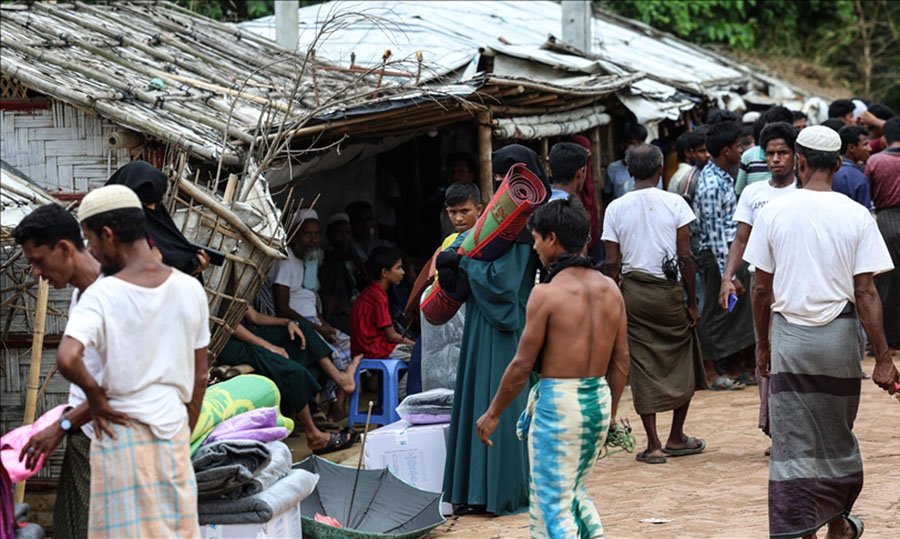
The IOM also warned of mounting challenges. By the end of 2024, 83.4 million people were internally displaced due to conflict, violence and disasters. At the same time, limited access to regular migration pathways is forcing many migrants into dangerous journeys.
Deadly migration routes
The Mediterranean Sea remains one of the world’s deadliest migration corridors, with more than 33,000 recorded deaths since 2014. The World Health Organization noted that nearly 80,000 people have died on migration routes globally, many of them unidentified, leaving families in prolonged uncertainty.
Call for stronger migration systems
Both the IOM and WHO emphasized that preventing further tragedies requires stronger, safer and more regular migration systems. Protecting migrants’ rights and health, while supporting host communities, is essential to ensuring that migration delivers shared benefits.
As International Investment experts report, the rise to 304 million international migrants confirms that human mobility is now a structural feature of the global economy. How governments manage migration will increasingly shape labor markets, growth prospects and social cohesion worldwide.