







 Vietnam Mortgage Surge Pushes Homes Out of Reach
 Lithuanian Apartment Prices Accelerate Across Major Cities
 London Flats Lose Value Ahead of Leasehold Reform
 Construction of the Batumi–Sarpi Highway Begins in Georgia
 Baltic Property Investment Accelerates in 2026
 Hong Kong and Singapore Renew Their Expat Rivalry
Work in the U.S.: Stricter Wage Requirements for Foreign Workers
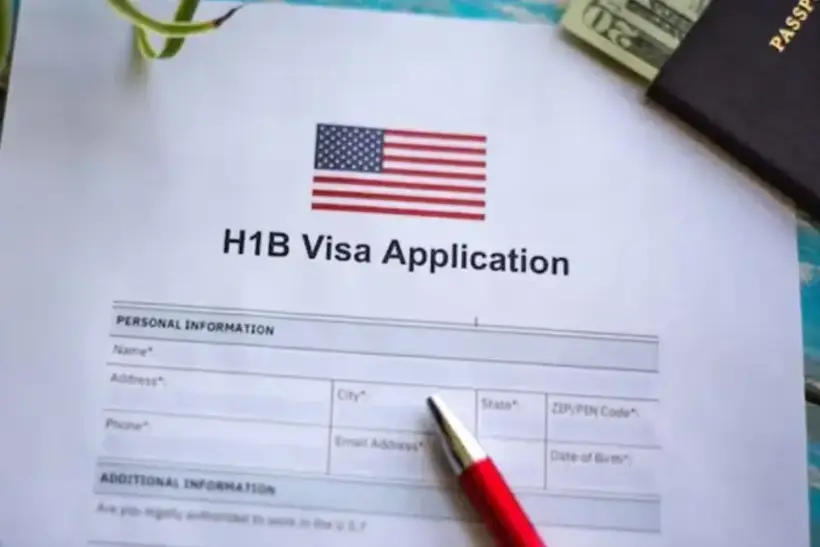
Department of Labor Proposal to Tighten Hiring of Overseas Employees
The U.S. Department of Labor has proposed revising the wage rules for foreign workers under H‑1B, H‑1B1, E‑3 visas, as well as for employment-based immigration through PERM. The new draft regulation calls for a substantial increase in minimum wage benchmarks to align them with the labor market for U.S. professionals. These changes could significantly affect hiring conditions and opportunities for both experienced and entry-level foreign workers.
Key Points of the Proposal: New Wage Benchmarks
Currently, employers hiring foreign specialists on H‑1B, H‑1B1, E‑3 visas or sponsoring them via PERM in EB‑2 and EB‑3 categories must pay a prevailing wage for the specific occupation and region. This wage is divided into four levels according to the worker’s experience and qualifications.
Previously, the minimum wage for entry-level foreign specialists (Level I) was set above only 17% of workers in similar positions in the region. Level II corresponded to the 34th percentile, with subsequent levels at the 50th and 67th percentiles. As a result, foreign specialists often earned below the market average, creating a wage suppression effect.
The new draft regulation raises these benchmarks: Level I to the 34th percentile, Level II to 52%, Level III to 70%, and Level IV to 88%. According to the Department of Labor, this adjustment will close the gap between U.S. and foreign workers’ wages, which averaged around $19,000 per year. Consequently, the average certified wage for a foreign specialist could increase by approximately $14,000 annually.
Objectives of the Reform and Review Period
This initiative continues the work of Presidential Proclamation No. 10973 issued in September 2025, which instructed the Secretary of Labor to review the wage determination system for H‑1B visa holders. The proclamation noted that the existing methodology was sometimes used by employers to replace U.S. workers with lower-paid foreign specialists.
The Department of Labor emphasizes that the goal of the reform is not to restrict the hiring of foreign specialists but to protect the U.S. labor market and ensure wages reflect actual market conditions.
The public comment period will last 60 days from the Federal Register publication on March 27, 2026. After reviewing feedback and potential revisions, a final rule will be issued. The regulation will apply to new wage determination requests and applications currently under review, but will not affect previously approved certifications.
Potential Impact on Employers and Employees
Brian D. Bumgardner, partner at Ogletree Deakins, explained that the draft requires a significant increase in minimum wage benchmarks and represents a substantial adjustment to wage calculations under visa programs. The change effectively shifts the “entry-level” category to the current threshold for a qualified worker, signaling higher starting salaries.
Legal advisors at Holland & Knight, Zoe Hamm and Hadil M. Abuhazira, note that for many entry-level positions, the previous lower wage boundary will effectively disappear, creating additional financial obligations for employers.
Mitch Wexler, senior advisor at Fragomen, compared the proposed changes to initiatives proposed during the first Trump administration, which were blocked by court rulings. Employers are unlikely to welcome the increase in costs associated with sponsoring foreign workers.
Conclusion
The proposed changes reflect a broader trend toward tightening rules for foreign workers in the U.S. Raising minimum wage benchmarks, increasing employer obligations, and enhancing regulatory oversight aim to limit the wage-suppressing use of visa programs and protect the domestic labor market. In practice, companies may need to revise staffing policies, reduce hiring at entry-level positions, and prioritize experienced specialists or U.S. candidates.
Analysts at International Investment note that these measures, combined with stricter enforcement and deportation controls, create a more competitive and stringent environment for foreign workers. For companies, higher wage benchmarks increase financial obligations, while for entry-level specialists and students, access to the U.S. labor market may shrink. In the long term, the initiative could benefit foreign workers through higher wages, but the immediate effect may be a reduction in available positions.