













Russians to be forced to report foreign residence permits and second passports
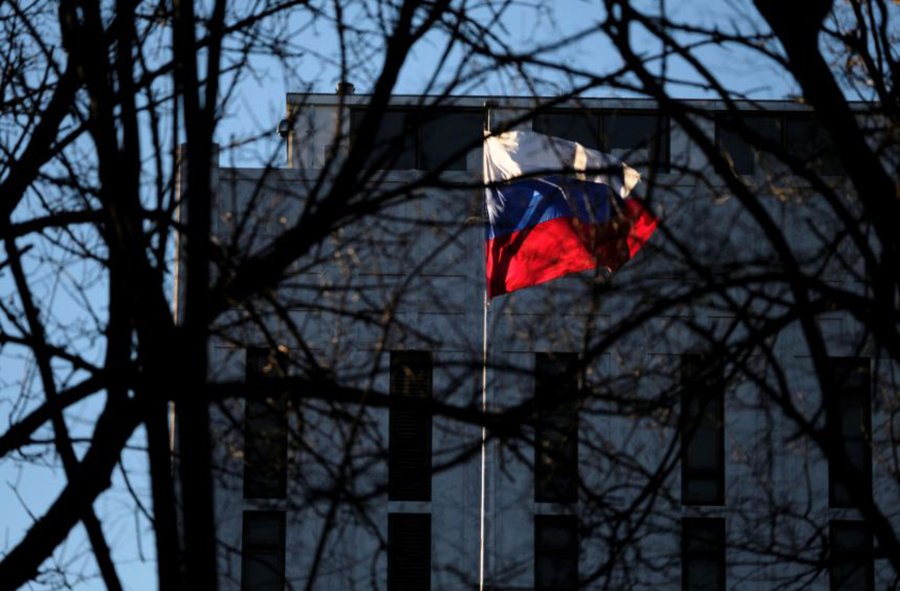
Photo: Verstka
Russia continues to tighten legislation for citizens who have left the country. The Foreign Ministry is proposing a new draft law that would require people to report the possession of a foreign residence permit or a second passport, reports Forbes. The chances of approval are fairly high: the initiative looks like a logical continuation of a policy aimed at registering and monitoring those who have left.
Current rules
Under current legislation, such information must be submitted only when entering the country. If a citizen permanently lives abroad and does not cross the Russian border, reporting remains voluntary and carries no liability. Notifying Russian diplomatic missions and consular offices about obtaining a foreign residence permit or citizenship abroad has been possible since 2023, RBC recalls.
Under these rules, Russian citizens who obtain the right to permanent residence in another country can submit the information within 60 days at their place of stay. If the deadline is missed, they must apply to the Interior Ministry within the same period, but counted from the date of entry into Russia. The new model removes this link and makes the procedure mandatory regardless of the country of residence.
What will change
The draft law has been published on the government website. Amendments are planned to Article 11 of the law “On Citizenship of the Russian Federation”. A 60-day period is set for submitting the information, regardless of whether a person returns to Russia or continues living abroad. Notifications are proposed to be submitted through Russian diplomatic missions or consular offices. Failure to comply entails liability under Article 330.2 of the Russian Criminal Code, including a fine of up to 200,000 rubles or compulsory work of up to 400 hours.
The document also introduces a new definition of a Russian citizen permanently residing outside the country, Verstka notes. The draft does not explicitly specify which documents are covered. Lawyer and founder of the “Kovcheg” project, Anastasia Burakova, notes these may include residence permits, temporary residence permits, and national D-type visas for work, business, or study. The criterion will also be actual presence outside Russia for more than 183 days per year.
The authors of the initiative point out that as of early 2025 only 2.2 million people were registered with consular offices, and these figures do not reflect the real number of Russians abroad. In their view, this complicates the planning of elections, referendums, and possible evacuation measures in emergency situations.
Assets of Russians in the UAE Reach 1 Trillion Rubles: FTS Expands Inspections[/url]
It is assumed that the new rules will not apply to refugees. Russia remains a party to the 1951 Convention and the 1967 Protocol on the Status of Refugees and has not made reservations regarding confidentiality and protection of this category. Extending Article 330.2 of the Criminal Code and related notification requirements to refugees would contradict the country’s international obligations.
In addition, refugees and asylum seekers should not contact the authorities of the country they fled, as this could lead to the loss of protection in the host state. The wording on documents for living abroad covers a very broad range, but direct inclusion of notification obligations for refugees appears unlikely.
What about refugees
It is assumed that the new rules will not apply to refugees. Russia remains a party to the 1951 Convention and the 1967 Protocol on the Status of Refugees and has not made reservations regarding confidentiality and protection of this category. Extending Article 330.2 of the Criminal Code and related notification requirements to refugees would contradict the country’s international obligations.
In addition, refugees and asylum seekers should not contact the authorities of the country they fled, as this could lead to the loss of protection in the host state. The wording on documents for living abroad covers a very broad range, but direct inclusion of notification obligations for refugees appears unlikely.
Russians in Finland: Mass Deportation of Refugees
If the draft law is approved, it will come into force on January 1, 2028. Russians who by that time have not informed the Interior Ministry or a consulate about a new citizenship, residence permit, or other document granting permanent residence abroad will be given one year to submit the information. Anastasia Burakova notes that the reasoning behind the initiative fits the familiar rhetoric about protecting citizens’ rights and security abroad. In practice, diplomatic missions often show limited readiness to resolve real problems faced by Russians overseas, focusing more on registering and monitoring emigrants.
Analysts at International Investment note that the information will be fed into the consular registration system. This means automatic registration with Russian diplomatic missions for citizens permanently living abroad. Reporting one’s foreign migration status will effectively cease to be a formal procedure and become an обязательство. As a result, the state will obtain a centralized mechanism for tracking the migration status of Russians who have left. In the future, other systems of interaction, control, and pressure may also emerge. At the same time, the EU and authorities in other countries are also introducing new rules for Russians that make staying abroad more difficult.
[url=https://internationalinvestment.biz/en/migration/6488-europe-restricts-access-to-education-for-students-from-russia.html]Europe Restricts Access to Education for Students from Russia
Control mechanism
If the draft law is approved, it will come into force on January 1, 2028. Russians who by that time have not informed the Interior Ministry or a consulate about a new citizenship, residence permit, or other document granting permanent residence abroad will be given one year to submit the information. Anastasia Burakova notes that the reasoning behind the initiative fits the familiar rhetoric about protecting citizens’ rights and security abroad. In practice, diplomatic missions often show limited readiness to resolve real problems faced by Russians overseas, focusing more on registering and monitoring emigrants.
Analysts at International Investment note that the information will be fed into the consular registration system. This means automatic registration with Russian diplomatic missions for citizens permanently living abroad. Reporting one’s foreign migration status will effectively cease to be a formal procedure and become an обязательство. As a result, the state will obtain a centralized mechanism for tracking the migration status of Russians who have left. In the future, other systems of interaction, control, and pressure may also emerge. At the same time, the EU and authorities in other countries are also introducing new rules for Russians that make staying abroad more difficult.
[url=https://internationalinvestment.biz/en/migration/6488-europe-restricts-access-to-education-for-students-from-russia.html]Europe Restricts Access to Education for Students from Russia
Подсказки: Russia, dual citizenship, residence permit, Russian law, Russians abroad, migration, consulate, Foreign Ministry