







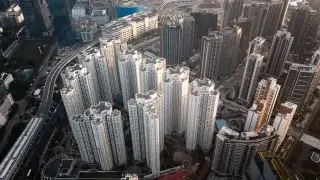
 Hong Kong Home Prices End 13-Month Rally
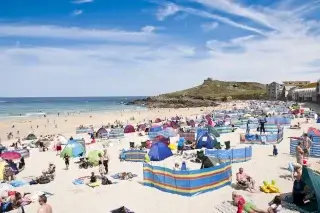 Hot Summer Boosts UK Domestic Tourism
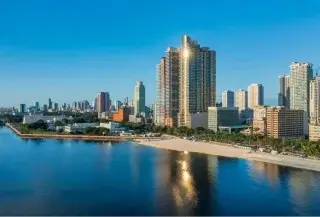 Manila Condo Inventory Hits Record as Values Weaken
 Cyberattack Paralyzes Real Estate Transactions in Romania
 Short-Term Rental Rates in Greece Rise to €200 per Night
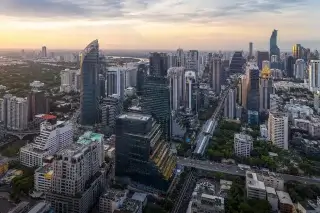 Asia-Pacific Property Investment Hits Record $92.5 Billion
Flooding in Spain: a climate risk reshaping tourism, construction, and the economy
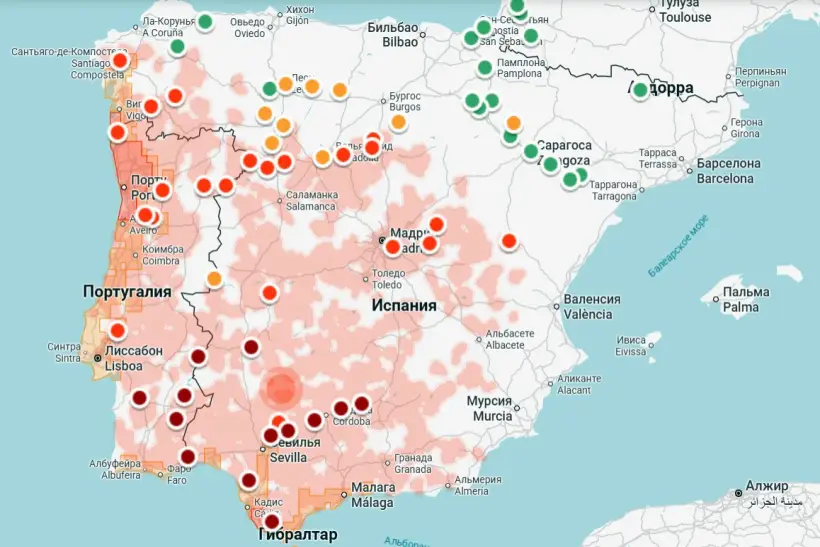
Google has launched Flood Hub for Spain - a flood map that shows risk zones in near real time. Formally, it is a new digital service. In essence, it is a visual acknowledgment that flooding in the country has stopped being an exception and is increasingly becoming a factor influencing key sectors of the economy.
The launch of the platform coincided with another wave of heavy rainfall and warnings from the state meteorological agency AEMET about an increased risk of flooding across much of the peninsula. But the problem goes far beyond the current weather forecast.
How Spain moved from droughts to floods
Spain has traditionally been perceived as a country of droughts and water scarcity. However, climate dynamics in recent years have changed this picture. Average rainfall may not be increasing, but precipitation has become sharper and more concentrated. Short, intense downpours overload stormwater systems, riverbeds, and urban infrastructure.
Eastern and southern regions, as well as coastal areas, are particularly vulnerable, where dense development combines with terrain poorly adapted to rapid water runoff. As a result, not only rural areas but also major cities, tourist clusters, and transport corridors are increasingly affected by flooding.
A blow to the tourism showcase
Tourism is one of the pillars of the Spanish economy, and it is the first to feel the impact of flooding. Flooded resorts, closed hotels, damaged beaches, and transport disruptions at the height of the season lead to booking cancellations and direct financial losses.
Even localized incidents have a long-term effect. Tourists increasingly factor weather instability into destination choices, while tour operators build climate risks into pricing and terms. For regions dependent on seasonal visitor flows, this means growing uncertainty and reduced income predictability.
Construction and real estate: hidden consequences
If tourism reacts quickly, the construction and real estate market responds slowly and painfully. Areas that regularly fall into flood zones gradually lose investment appeal. Insurance companies revise terms, banks become more cautious with mortgage lending, and developers are forced to invest in additional engineering solutions.
This increases project costs and affects final prices. For private owners, risks translate into lower liquidity: properties in potentially hazardous areas are harder to sell and harder to insure. For foreign buyers, who are actively present in the Spanish market, flooding becomes a new argument for a more cautious choice of locations.
The economy and budget under pressure
Flooding is increasingly affecting public finances as well. Restoring roads, bridges, utility networks, and residential areas requires significant budgetary spending. Added to this are compensation payments, business losses, and temporary disruptions in logistics.
As a result, natural disasters are no longer isolated emergency events but are turning into a permanent economic factor that must be considered in regional and national budget planning.
Google’s map is a symptom, not a solution
Google Flood Hub does not prevent floods and does not replace official services. But it makes the problem visible and measurable. For authorities, it is a planning and early warning tool; for businesses, an additional data source for risk assessment; for citizens, a way to see the vulnerability of a specific area without complex reports and expert assessments.
The emergence of such services points to the main issue: climate risks in Spain are no longer perceived as temporary anomalies. They are becoming part of economic reality, influencing tourism, the real estate market, and investment decisions.
Spain is entering a period in which adaptation to flooding ceases to be a secondary issue. And Google’s map merely highlights this shift — the problem has moved beyond weather and become a structural challenge for the entire country.