







 Vietnam Mortgage Surge Pushes Homes Out of Reach
 Lithuanian Apartment Prices Accelerate Across Major Cities
 London Flats Lose Value Ahead of Leasehold Reform
 Construction of the Batumi–Sarpi Highway Begins in Georgia
 Baltic Property Investment Accelerates in 2026
 Hong Kong and Singapore Renew Their Expat Rivalry
Vietnam Enforces Exit Ban Over Tax Debts
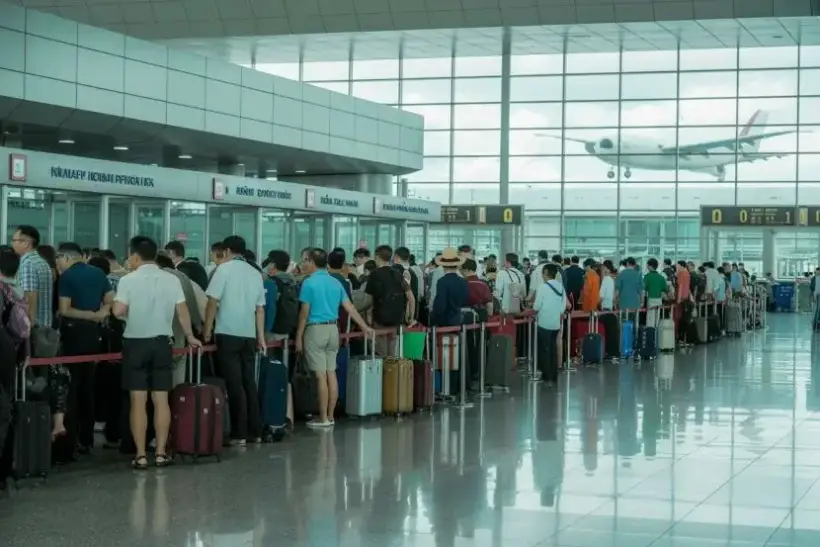
On February 16, 2026, Vietnam began enforcing Decree No. 49/2025/ND-CP, introducing an exit restriction for individuals with outstanding tax debts. The regulation is now applied at major international gateways, including Noi Bai Airport in Hanoi and Tan Son Nhat Airport in Ho Chi Minh City, where immigration officers verify passengers’ tax compliance status before departure.
The measure directly links tax enforcement with border control, affecting Vietnamese citizens, expatriates, foreign investors, and business owners.
Who Is Subject to the Exit Restriction
The decree applies to individuals and legal representatives whose unpaid tax liabilities exceed statutory thresholds and remain unsettled for more than 120 days.
For individuals and small businesses, the exit ban may be triggered by debts exceeding VND 50 million, approximately USD 1,950. For legal representatives of companies, the threshold is set at VND 500 million, or roughly USD 19,000. Foreign nationals intending to leave Vietnam may also face restrictions if outstanding tax obligations remain unresolved.
Affected categories may include entrepreneurs, investors, expatriates, and individuals who ceased operations but failed to finalize tax settlements.
How Airport Controls Operate
Vietnam’s General Department of Taxation compiles a list of taxpayers with overdue obligations. If debts remain unpaid after official notification, the information is transferred to immigration authorities.
During passport control, officers verify whether departing passengers are flagged for exit restriction. Individuals listed may be denied departure until the debt is fully cleared or formally resolved with tax authorities.
This integration of fiscal monitoring with immigration enforcement reflects Vietnam’s broader digital governance strategy.
Implications for Investors and Residents
The enforcement mechanism introduces new compliance risks for foreign investors, corporate executives, and expatriates operating in Vietnam. Even moderate tax debts, if left unresolved, can result in travel restrictions.
Tourists without business activity are unlikely to be affected. However, anyone generating income or conducting commercial operations in Vietnam should confirm their tax status before international travel.
From an investment perspective, the policy underscores the government’s commitment to strengthening tax collection and fiscal accountability.
Ensuring Compliance Before Departure
Travelers are advised to verify their tax standing through official online platforms provided by the General Department of Taxation. Any outstanding liabilities should be settled prior to booking international flights.
Professional tax consultation may be necessary for individuals closing businesses or permanently relocating abroad to avoid unexpected travel disruptions.
As International Investment experts report, the alignment of tax enforcement with immigration controls enhances fiscal transparency but raises compliance expectations for foreign investors and residents operating within Vietnam’s regulatory framework.