







 Fines for Illegal Rentals in Spain Reach €800,000
 Australia’s Spring Auctions Rise but Remain Well Below 2025
 Number of Foreigners Holding Turkish Residence Permits Exceeds 1.27 Million
 Demand from Russian Tourists for Holidays in Georgia Rises by 20–25%
 Montenegro Property Buying Costs in 2026
 Four in Ten Companies Would Not Choose Slovakia
Iranian Drones Attack Dubai Airport: War in the Middle East
Four People Injured, Passengers Evacuated
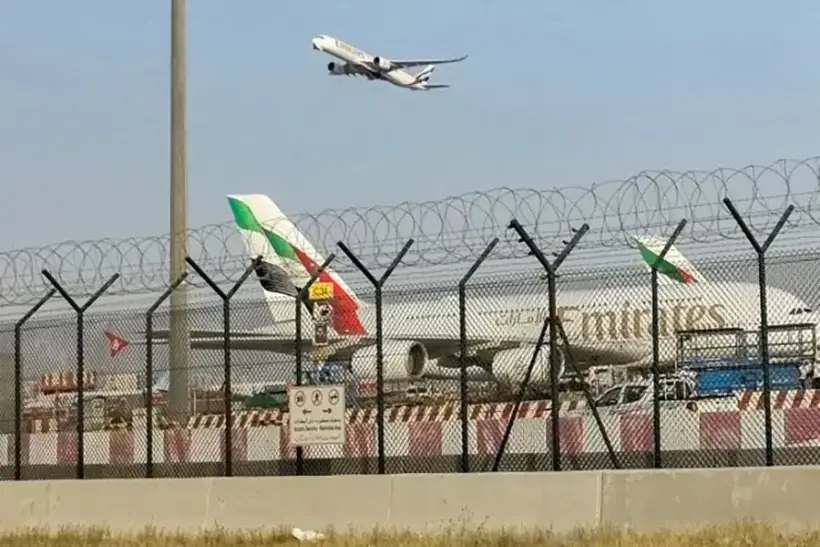
On the morning of March 11, 2026, two Iranian drones struck the area near Dubai International Airport, injuring four people — citizens of Ghana, Bangladesh, and India, according to the Associated Press. The full-scale conflict between Iran and the U.S.- and Israel-led coalition had previously led to the blockade of shipping in the Strait of Hormuz, attacks on the energy infrastructure of Gulf countries, and a 20% rise in oil prices.
Details of the Incident in Dubai
Around noon local time, two Iranian-made drones fell in the vicinity of Dubai International Airport. The Dubai Media Office confirmed the incident, noting that the airport continues to operate normally. Four foreigners were injured: two Ghanaians and one Bangladeshi sustained minor injuries, while an Indian national suffered moderate injuries.
Dubai Terminal serves as the hub for Emirates and remains the largest international passenger transport hub in the world. In 2025, it handled nearly 100 million travelers. Since the crisis began on February 28, regional airlines, including Emirates and Etihad, have had to reduce flight schedules. The March 11 attack dealt another blow to efforts to restore normal flight operations, according to US News.
Wave of Attacks Across the Middle East
The attack on Dubai Airport was just one episode in a coordinated campaign Iran is conducting in response to joint U.S. and Israeli strikes. On the night of March 11, targets included the U.S. base in Bahrain, home to the Fifth Fleet, facilities in Erbil, and military centers in Tel Aviv. Saudi Arabia intercepted six ballistic missiles aimed at Prince Sultan Air Base and repelled an attack by five drones on the Shaybah oil field. Kuwaiti air defense forces shot down eight Iranian drones, with explosions heard over Qatar.
Since the escalation began on February 28, six people in the UAE have been killed and 122 injured by Iranian attacks. On March 10, a drone strike near Manama, Bahrain, killed a 29-year-old woman and injured eight others.
The Strait of Hormuz has become a separate theater of military operations — a key artery for global oil supplies, carrying about 20% of world production. According to British military sources, on March 11, three vessels were attacked: a container ship off Ras Al Khaimah, a cargo ship off Dubai, and another ship off Oman. A fire broke out on the last vessel, and the crew abandoned ship.
Energy Security at Risk
Ongoing attacks on energy infrastructure and the blockade of shipping in the Strait of Hormuz have led to serious economic consequences. Brent crude oil prices have risen by approximately 20% since the start of the crisis. The largest liquefied natural gas producer, QatarEnergy, declared force majeure and suspended production. Kuwaiti energy companies warned of possible risks in fulfilling export contracts.
Key energy facilities have previously been targeted, including the Saudi Aramco complex in Ras Tanura, home to one of the largest oil refineries in the Middle East, and the Ruwais refinery in the UAE.
International Response and Evacuations
The UN Security Council plans to vote on a resolution proposed by Gulf Cooperation Council countries. The draft condemns Iran’s attacks on Bahrain, Kuwait, Oman, Qatar, Saudi Arabia, the UAE, and Jordan, and calls on Tehran to immediately cease strikes on neighboring states.
Meanwhile, mass evacuations of foreign citizens continue: over 45,000 British nationals and about 40,000 Americans have left the region. The total number of casualties in the conflict is rising: over 1,300 deaths reported in Iran, nearly 500 in Lebanon, and 12 confirmed dead in Israel. The United States has lost seven service members, with eight more injured.
Conclusion
Analysts at International Investment note that the war in the Middle East has a serious impact on all sectors. Aviation and transport face delays and route changes, tourism experiences a sharp decline in visitors due to threats to life and safety, and revenues from hotels and services fall. Energy suffers from attacks on infrastructure and blockades of sea routes, raising oil and gas prices. The economy faces reduced investment and increased trade risks, while the social sector sees a growing number of casualties and refugees.