







 Turkey Is Losing Its Cheap-Holiday Advantage
 Development Is Rewriting Southeast Asia’s Historic Districts
 How Ukraine’s New-Build Housing Market Has Changed Over Four Years
 European Prime Rents Rise as Property Yields Turn Higher
 The Most Expensive Airlines in Europe in 2026
 Housing Prices in Italy Reach a Two-Year High
Airbnb uses Olympics 2026 to target Gen Z
Airbnb’s strategy goes beyond short-term bookings
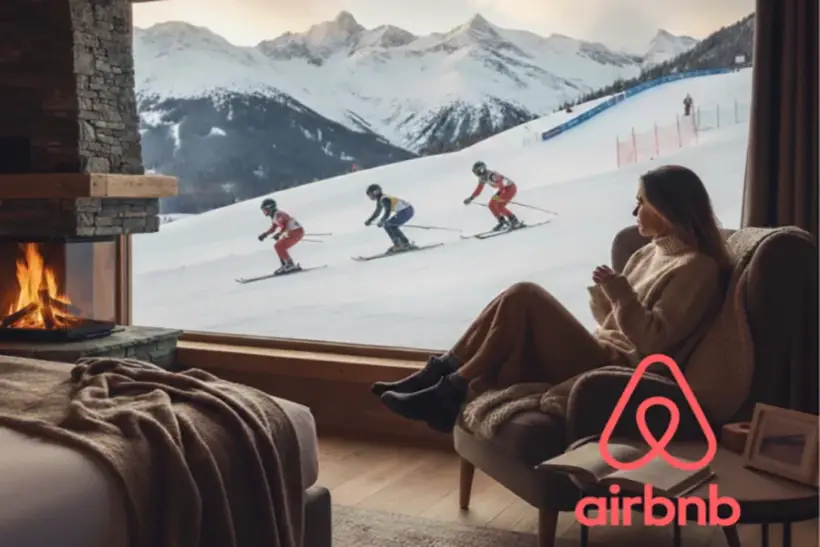
The 2026 Winter Olympics in Milan and Cortina d’Ampezzo have become more than a tourism opportunity for Airbnb. The company is using the event as part of a broader strategy to strengthen its brand among Generation Z travelers, expand its media presence and reinforce its role within the global travel ecosystem.
As an official Worldwide Partner of the Olympic and Paralympic Games, Airbnb’s campaign is not solely focused on increasing short-term bookings. Instead, the company aims to build long-term loyalty while strengthening its reputation in markets where short-term rental regulation remains politically sensitive.
Athlete storytelling at the center of the campaign
In January 2026 Airbnb released the documentary Bring It Home directed by Walter Thompson-Hernández. The short film follows six Olympic and Paralympic athletes supported through the Airbnb Athlete Travel Grant program.
The athletes include figure skater Donovan Carrillo from Mexico, skeleton racer Laura Vargas from Colombia, bobsledder Edson Bindilatti from Brazil, para ice hockey player Andrea Macrì from Italy, wheelchair curler Joanna Butterfield from the United Kingdom and snowboarder Asa Toyoda from Japan.
The documentary focuses on the idea that having a place to call home is essential for athletes who spend much of their lives traveling and competing internationally. The stories explore themes such as financial pressure, constant mobility and the emotional challenges of representing nations that are rarely associated with winter sports.
Through this narrative Airbnb positions itself not just as a booking platform but as part of the infrastructure that supports global mobility.
Short-form video designed for Gen Z audiences
Alongside the documentary Airbnb launched a series of short-form videos distributed through YouTube Shorts and other social media platforms.
These clips highlight individual athletes, training routines and behind-the-scenes stories. The content is designed specifically for mobile consumption and reflects the style and pacing common on platforms such as TikTok and Instagram.
This approach reflects the evolving media habits of Gen Z travelers who increasingly discover destinations and travel experiences through short-form video content.
Milano-Cortina 2026 becomes the Gen Z Olympics
The demographic profile of athletes competing in winter sports is becoming younger. Across many disciplines the average athlete age ranges between 20 and 28, while some freestyle athletes are teenagers.
Many of these athletes are also active content creators who build audiences on social media platforms long before winning medals. The International Olympic Committee has also relaxed social media restrictions in recent Olympic cycles, allowing athletes to share more personal content with global audiences.
As a result the Olympics are evolving into a hybrid event that combines sport, media and digital storytelling.
Why global sporting events matter for Airbnb
Large international events create powerful demand for accommodation and expose limitations in hotel capacity. This makes short-term rentals a crucial component of the tourism infrastructure during major events.
Market data from Olympic host cities shows that short-term rental supply can increase dramatically during the event period while nightly rates often surge due to strong demand.
For Airbnb these events provide an opportunity to demonstrate the economic value of its platform within host cities.
Reputation and regulatory strategy in Europe
Short-term rental regulation remains a sensitive political issue in many European cities. Local governments are increasingly debating restrictions aimed at protecting housing availability for residents.
Against this backdrop Airbnb’s Olympic campaign highlights cultural contributions rather than purely economic benefits. By supporting Paralympic athletes, emerging winter sport nations and global mobility programs, the company strengthens its narrative as a contributor to the broader Olympic ecosystem.
How travel discovery is changing
Travel discovery is increasingly shaped by social media and algorithm-driven platforms rather than traditional search engines.
Short-form storytelling, influencer narratives and authentic travel experiences are becoming key drivers of demand, particularly among younger travelers.
Global platforms are rapidly adapting their marketing strategies to align with these changing consumer behaviors.
Emerging destinations benefit from shifting travel trends
Large global events such as the Olympics also influence tourism flows and inspire travelers to explore new destinations.
Georgia is emerging as one of the fastest growing tourism markets in the region, supported by expanding airport infrastructure, increased international flights and rising global visibility. Cities such as Tbilisi and Batumi continue to attract international visitors due to their cultural appeal, affordability and developing hospitality sector.
As International Investment experts note, Airbnb’s strategy around the 2026 Winter Olympics reflects a broader transformation within the global travel industry. Major platforms are increasingly focused on long-term cultural positioning and media influence rather than short-term booking cycles. In this evolving landscape emerging tourism markets such as Georgia are gaining attention as international travel demand continues to expand.