












Severe winter storm threatens Hawaii summits
Winter storm watch issued for Mauna Kea and Mauna Loa
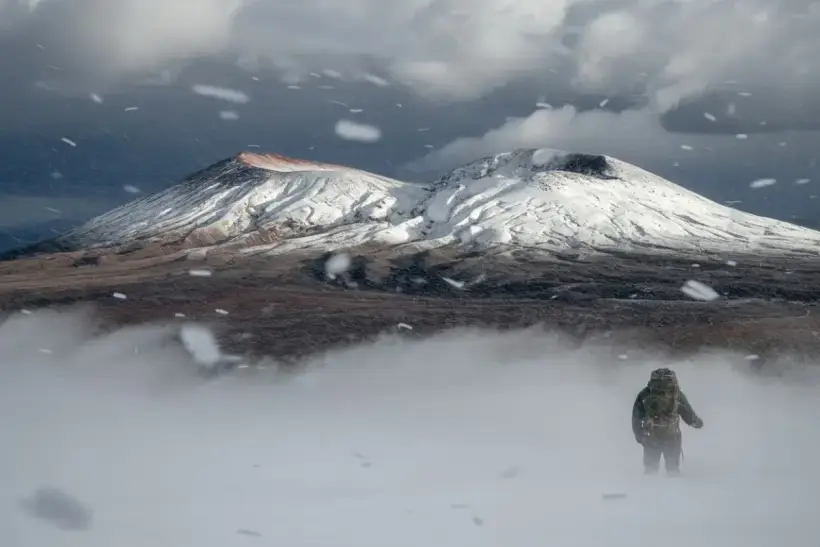
A winter storm watch has been issued for the summits of Mauna Kea and Mauna Loa on Hawaii’s Big Island as a powerful Kona low system moves toward the archipelago. The US National Weather Service warned that extreme weather conditions including high winds, snow and near-zero visibility could make travel to the summit regions extremely dangerous.
Authorities are urging both residents and visitors to postpone any planned trips to the high-altitude areas until weather conditions improve. The warning primarily affects elevations above about 12,000 feet, where snowstorms and blizzard-like conditions are possible despite Hawaii’s tropical climate.
Kona low system brings strong winds and heavy snowfall
The dangerous weather is linked to a Kona low, a type of storm system that develops near the Hawaiian Islands and can bring intense rainfall, strong winds and occasionally snow at high elevations.
Meteorologists expect sustained winds of 55 to 75 miles per hour, with gusts potentially reaching around 110 miles per hour. Snow accumulation is forecast to reach between 12 and 18 inches across the summit areas.
The combination of heavy snow and strong winds could produce blizzard-like conditions, dramatically reducing visibility and making navigation extremely difficult.
Weather officials warn that conditions may deteriorate rapidly, creating whiteout situations in which travelers may be unable to see surrounding terrain or roads.
Summit roads expected to become hazardous
Travel routes leading to the summits of Mauna Kea and Mauna Loa are expected to become highly dangerous during the storm. Blowing snow, freezing fog and icy road surfaces could make driving extremely challenging even for experienced motorists.
Strong winds may also affect vehicle stability, particularly on narrow mountain roads and steep switchbacks that lead to the summit areas.
Officials warn that blizzard conditions could periodically reduce visibility to zero, making both driving and hiking extremely hazardous.
Marine conditions also expected to worsen
The storm is also expected to affect nearby ocean waters around the Big Island. Meteorologists have warned of severe thunderstorms and winds exceeding 50 knots in areas such as the ʻAlenuihāhā Channel and coastal waters between ʻUpolu Point and South Kona.
These conditions may create dangerous seas and large waves that could threaten boats and fishing vessels operating near the island.
Authorities urge travelers to delay summit visits
The winter storm watch is expected to remain in effect through Saturday evening as the Kona low system intensifies over the region. Weather officials emphasize that conditions at high elevations could remain dangerous for several days.
Residents and tourists are strongly advised to monitor official weather updates and avoid traveling to the summit areas until the storm has passed.
Mauna Kea and Mauna Loa are among Hawaii’s most visited high-altitude destinations, attracting tourists for stargazing and scientific observatories, but extreme weather can occasionally transform these areas into hazardous environments.
As experts at International Investment report, severe weather events in popular tourist destinations highlight the growing importance of climate risk management for travel infrastructure. Even regions known for stable tropical weather must increasingly prepare for extreme conditions that can disrupt tourism and local economies.