










Iran attacked the UAE with missiles and drones: end of the truce?
Reuters
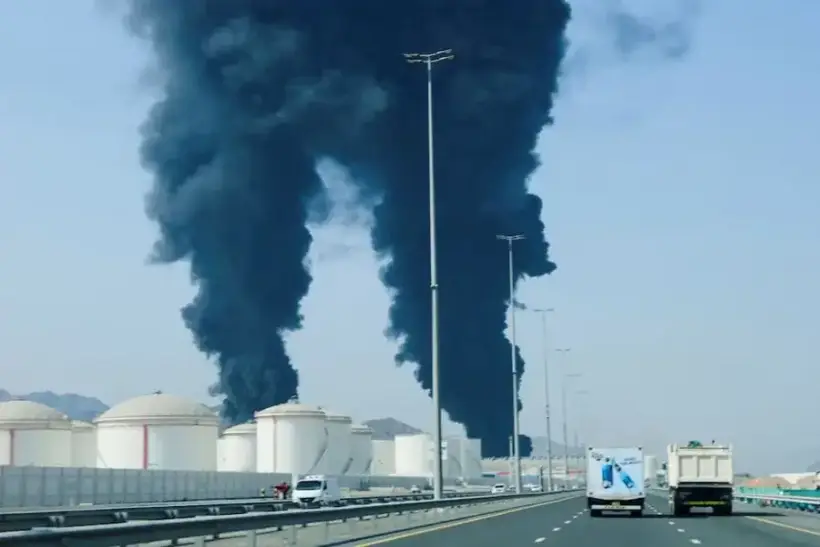
UAE authorities reported an Iranian attack on May 4. Some targets were intercepted, but fires broke out in the Fujairah area and infrastructure was damaged. Reports also mention attacks on ships and other threats. It remains unclear whether this is an isolated incident or a sign that war in the Middle East is resuming.
What happened
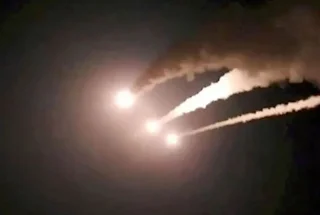
The Sun reports that Iran launched several missiles toward UAE territory. Three of them were intercepted by the Emirati air defense system, while a fourth fell into the sea. A fire was also reported in the engine room of a cargo vessel north of Dubai, about 36 nautical miles away, but all crew members are safe. Another fire broke out on a ship located 14 nautical miles west of Mina Saqr in the UAE.
UAE authorities stated that Iran attacked an empty ADNOC oil tanker with two drones while it was passing through the Strait of Hormuz. The vessel Barakah was empty at the time of the attack. No casualties were reported. According to the UK Maritime Trade Operations agency, earlier a tanker in the area, about 78 nautical miles north of Fujairah, reported being struck by unknown projectiles.
In Fujairah’s industrial zone, a fire broke out in an oil facility following a drone strike. Three Indian nationals sustained moderate injuries. New strikes were also reported in Oman, where local media said a residential building was damaged in the Tibat area of the city of Bukka. At least two people were injured and vehicles were damaged.
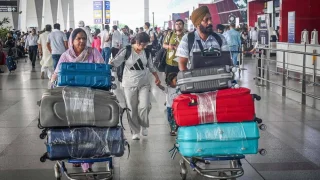
The UAE Ministry of Defense advised citizens and residents to stay in safe locations and follow official channels. The Ministry of Foreign Affairs blamed Iran for the incidents, calling the renewed attacks “a dangerous escalation, an unacceptable act, and a direct threat to the country’s security and stability.” Flights to Dubai and Sharjah are currently being delayed or rerouted, according to Flightradar24.
Reasons behind the breakdown of the truce in the Middle East
One possible trigger for the escalation is the situation in the Strait of Hormuz. U.S. President Donald Trump announced the implementation of “Project Freedom.” On Sunday, he promised the safe evacuation of ships from restricted waters, calling it a “humanitarian gesture.” He added that many vessels were running out of food and described them as “victims of circumstances.”
Around 15,000 troops and 100 aircraft were deployed for escort operations. Destroyers with guided missiles were also assisting in restoring transit. An estimated 2,000 ships are currently stranded in the blocked strait. Trump warned that Iran would face severe consequences if it attempted to disrupt the operation.
On Monday, the United States said that two cargo ships had passed through the Strait of Hormuz, and within hours the attacks began. Earlier, IRGC commander Ahmad Vahidi stated that no vessel is allowed to pass through the route without authorization and that any violation would be considered a “legitimate target.” However, a senior Iranian military official said that Tehran does not plan to strike the United Arab Emirates, according to Iranian state media IRIB.
Conclusion
Regional tensions escalated on February 28, 2026, when the United States and Israel carried out strikes on Iran. Military actions spread across the Persian Gulf, affecting key maritime routes and energy infrastructure. Iran also blocked the Strait of Hormuz, through which a significant share of global oil and gas trade flows.
With Pakistan’s mediation, a ceasefire agreement entered into force on April 8. It temporarily reduced the intensity of clashes and stabilized parts of maritime traffic routes. However, subsequent talks in Islamabad failed to produce a long-term agreement, and key disagreements between the parties remained unresolved.
Later, U.S. President Donald Trump extended the truce without specifying a timeline, effectively maintaining a “pause” without formal security guarantees. Against this backdrop, incidents in the region continue to be seen as a risk of renewed escalation.
Analysts at International Investment note that the situation in the Middle East remains unstable. Even localized attacks could quickly escalate into a broader crisis due to fragile logistics and the high concentration of strategic interests in the region.