







 Asunción Property Market Accelerates as Construction Booms
 Egypt Expands Aviation for Tourism Growth
 Latvia’s Residence Permits for Real Estate to Be Abolished from September 15
 Egypt Prepares New Law for Property Developers
 Young Japanese Buyers Turn to 50-Year Mortgages
 Argentina Narrows Tourism Gap as Arrivals Rise
Hantavirus in Indonesia: Jakarta Tightens Monitoring After New Cases
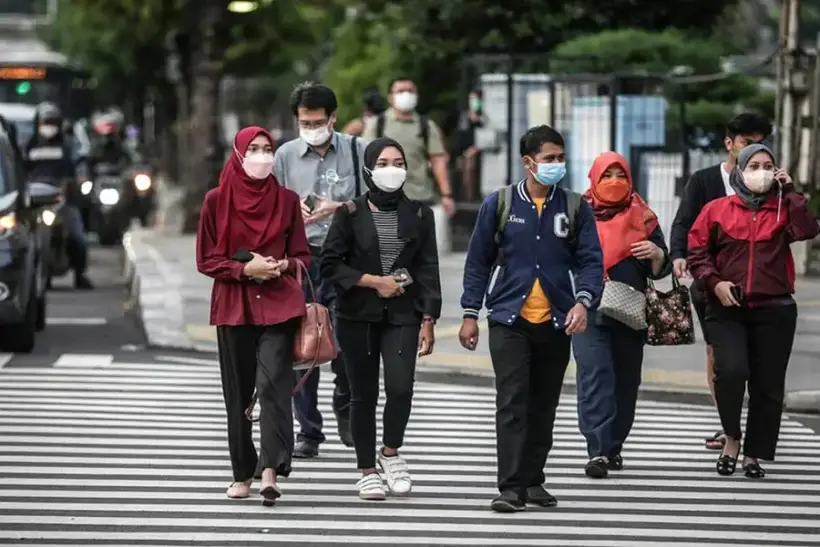
Authorities in Jakarta have strengthened epidemiological surveillance after new hantavirus cases were detected. Three confirmed infections and six suspected cases are currently being monitored in the city, according to the Jakarta Globe. The disease has attracted increased attention following an outbreak on a cruise ship in which three passengers died.
What is happening in Jakarta
Jakarta Health Agency head Ani Ruspitawati said the situation remains under control, although monitoring has been intensified due to the detected cases. Previously, authorities reported four cases of the disease, after which patients recovered, while one person remained under treatment.
The city administration has distributed informational circulars to healthcare facilities across Jakarta. Several public hospitals have been designated as “sentinel” surveillance centers to ensure stricter monitoring and early detection of possible hantavirus cases.
Rapid response teams have been deployed in the capital to strengthen the early warning system and ensure quick action in case of a potential increase in infections. Indonesian health authorities have also tightened international screening measures. In particular, passenger checks have been reinforced at Soekarno-Hatta Airport, which handles most international flights. The new measures include mandatory health declarations, thermal scanning, and visual inspection of arriving passengers.
Statistics in Indonesia and transmission routes
According to the Center for Quarantine Control, hantavirus is not new to Indonesia. Research on the disease has been ongoing since 2015. Between 2024 and 2026, 23 cases were recorded, three of which were fatal.
Hantavirus is primarily transmitted from rodents and their excretions. The main route of infection is inhalation of virus-containing particles. Authorities recommend basic hygiene measures, including regular handwashing with soap and water. When cleaning areas that may contain rodent traces, proper ventilation is important, and dry sweeping should be avoided, as it can release contaminated dust into the air.
There is also a rare form of infection that, in some cases, may be transmitted through prolonged close human contact. The Andes variant can cause severe damage to the lungs and cardiovascular system, with a fatality rate of up to 40–50%, especially among elderly patients and those with chronic conditions. Given an incubation period of one to six weeks, high-risk contacts are advised to undergo quarantine for up to 42 days.
Viral cruise ship arrives in Rotterdam
Heightened attention to hantavirus began after an outbreak on the MV Hondius cruise ship in early May. Around 150 passengers from 23 countries were on board. By mid-month, 11 cases had been recorded, and three people had died, including a German citizen and a married couple from the Netherlands.
Reuters reports that on May 18, the vessel arrived in Rotterdam, where 25 remaining crew members and two medical staff disembarked. The ship is undergoing preparation for full disinfection, which is expected to take about a week.
RIVM infection control center head Tjalling Leenstra said that no symptoms were observed among those disembarking, there is no threat to the population of Rotterdam, and all potential contacts are being monitored. The World Health Organization emphasized that the situation is not comparable to the scale of the COVID-19 pandemic and remains a localized outbreak. It is believed that the infection may have originated in South America, where the virus circulates in certain regions of Argentina and Chile.
Conclusion
Analysts at International Investment note that viruses have recently received renewed attention following outbreaks on cruise ships. These include hantavirus and norovirus. In the latter case, 1,700 people were isolated in Bordeaux. As a result, even relatively familiar infectious diseases are receiving increased scrutiny.
The situation is currently assessed as controlled, with risks described as low and infection clusters as localized. However, the global experience of COVID-19 continues to shape public awareness. As a result, greater emphasis is being placed on early outbreak detection, transport sanitation measures, and the preparedness of healthcare systems to ensure that localized incidents do not develop into wider transmission chains.
Travelers are advised to be more careful when choosing destinations during periods of localized infectious outbreaks and to monitor official updates from health authorities and international organizations. It is also important to consider the epidemiological situation in the destination country and, if necessary, opt for alternative travel routes.