







 Irish Homes Are 17% Overvalued as Supply Lags
 Buses from Latvia to Russia and Belarus May Be Cancelled
 Egypt’s Economy Accelerates to 5.1%
 Kazakhstan Recovers $2.5 Billion in State Assets
 Argentina Draws Families While Investor Citizenship Remains Uncertain
 Antalya Loses 665,000 Tourists in Eight Months
Mortgage Lending in Georgia Increased by Nearly 50%

Tatiana Borodina
Mortgage lending in Georgia accelerated noticeably in 2026. Banks are issuing more loans, while the average loan size is increasing. At the same time, mortgage rates in lari are declining, BM.ge reports, citing data from the National Bank of Georgia.
Mortgages in Georgia: 2026 Trends
From January to July 2026, commercial banks in Georgia issued 34,482 new mortgage loans totaling GEL 3.58 billion ($1.37 billion). In monetary terms, the figure increased by 46.5%, while the number of loans rose by 20.7%. The difference in growth rates reflects the increase in average loan amounts.
The average mortgage loan size in 2026 reached GEL 103,900 ($39,800). For comparison, in January–May 2025 the figure stood at GEL 85,600. The increase in the average loan amount is attributed to rising property prices and the easing of down-payment requirements.
Since last spring, the minimum share of borrowers’ own funds has been reduced from 15% to 10%. As a result, buyers can obtain a larger loan with the same amount of savings. This also creates conditions for further growth in the average mortgage size.
In July 2026, the loan portfolio, excluding exchange-rate effects, grew by 14.7% year on year, with the growth rate accelerating by 0.2 percentage points. Loan dollarization stood at 41.3%. At the same time, mortgage financing became cheaper: the average rate on new loans in lari declined by 0.1 percentage points to 11.4%, while the rate on foreign-currency mortgages fell by 0.05 percentage points to 7.7%.
Housing Prices in Tbilisi and Batumi
The increase in the average mortgage size coincides with rising housing prices in Georgia. In the first half of 2026, weighted average apartment prices in new projects in Tbilisi increased by 9.5–14.5%, depending on location. Prices rose by 11.7% on the primary market and by 9.5% on the secondary market. In July, the number of transactions increased by 22.8% to 4,486, while their total value rose by 36.7% to $393 million. Sales in new projects increased by 29.8%, while weighted average prices in the two segments rose by 10% and 9.6%, respectively.
In Batumi, the number of transactions in the first half of the year increased by 11.4% to 7,838, while their total value rose by 29% to $507 million. The average price of apartments in new developments increased by 14.2% to $1,360 per sq. m. In July, sales declined by 11.8%, while the average price remained almost unchanged at $1,376 per sq. m.
Rental housing yields have been declining for the third consecutive year, gradually changing the attractiveness of investment apartments. This factor is particularly important for Batumi: the rapid increase in supply is intensifying competition in the rental market and may put pressure on returns.
Georgia’s GDP Grew by 8% in July
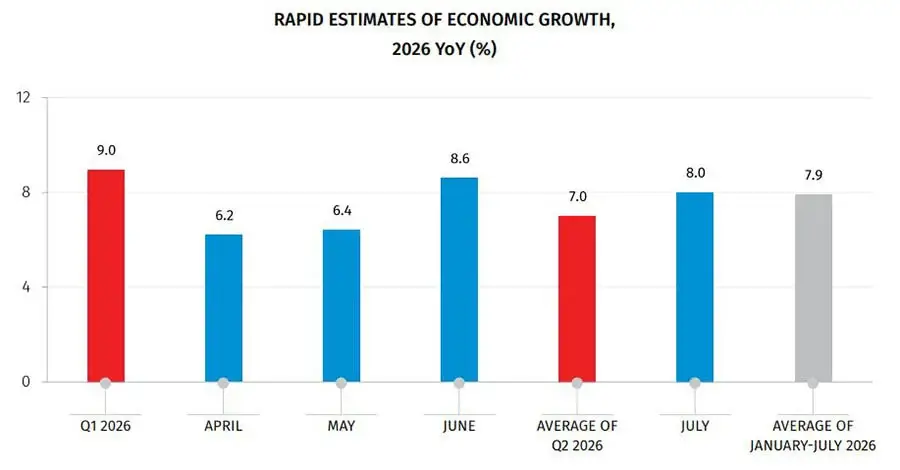
In July 2026, Georgia’s real GDP increased by 8% compared with the same month of 2025. Average growth for January–July reached 7.9%. The main contributors were manufacturing, information and communication, financial and insurance activities, mining, transportation and storage. A decline was recorded in construction.
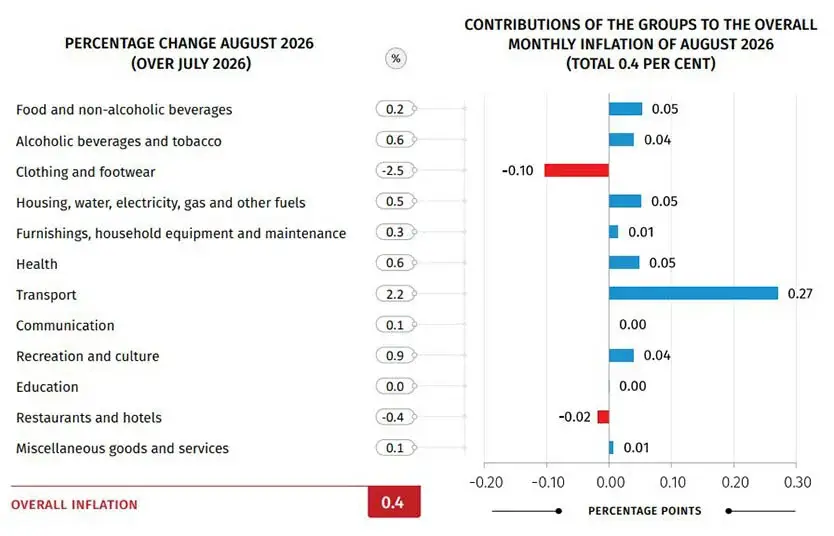
Business activity also remained strong. In July, 7,027 new enterprises were registered in the country, 14.1% more than a year earlier. Turnover of VAT-paying businesses, which is used in rapid economic growth estimates, reached GEL 17.7 billion and increased by 12.6%. At the same time, inflation in Georgia remains elevated. In August, consumer prices rose by 5.6% year on year and by 0.4% month on month. Core inflation stood at 3.8%, or 3.6% excluding tobacco.
Market Outlook and Risks for Investors
International Investment analysts note that the current dynamics point to continued strong demand for housing. Mortgage lending is growing faster than the number of loans issued, interest rates are gradually declining, and prices in Tbilisi and Batumi remain above last year’s levels. If economic growth continues and bank financing remains accessible, these factors may continue to support the real estate market.
For investors, the picture is becoming less straightforward. Higher property prices raise the entry threshold, while declining rental yields and increasing supply, particularly in Batumi, are intensifying competition. In these conditions, location, project liquidity and the stability of rental demand are becoming increasingly important.
Hotel real estate appears to be a more resilient investment option, particularly in the premium segment. Such properties are less dependent on the mass supply of investment apartments and target higher-spending tourist demand. Elevated inflation remains an additional risk factor, as it may limit further declines in borrowing costs.