







read also
 Vietnam Mortgage Surge Pushes Homes Out of Reach
 Lithuanian Apartment Prices Accelerate Across Major Cities
 London Flats Lose Value Ahead of Leasehold Reform
 Construction of the Batumi–Sarpi Highway Begins in Georgia
 Baltic Property Investment Accelerates in 2026
 Hong Kong and Singapore Renew Their Expat Rivalry
TOP 5 Tallest Unfinished Buildings in the World
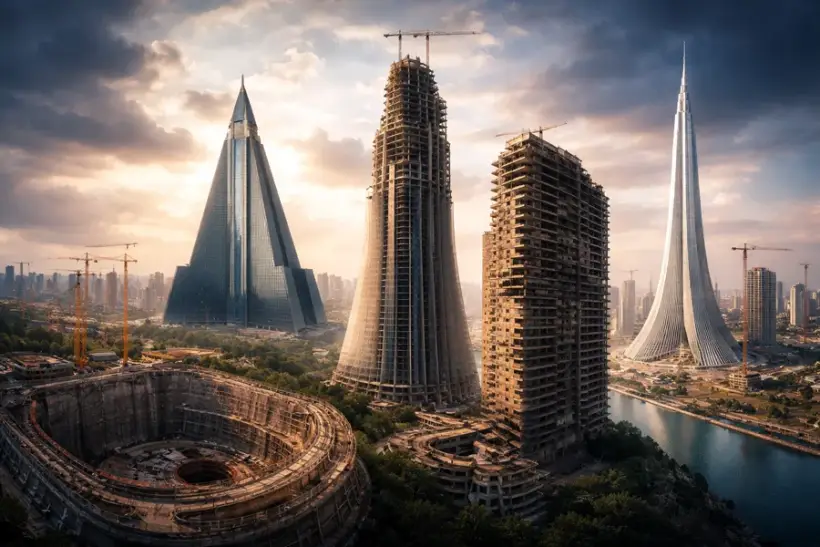
Ambitious construction projects often become symbols of economic growth and technological progress. However, history provides many examples of skyscrapers and large-scale developments that were halted for years or even decades.
The reasons vary-from financial crises to political changes and revisions of project concepts. Some of these developments have been given a chance to restart, while others remain monuments to unrealized expectations. Here are the TOP 5 most famous long-term construction projects in the world.
Chicago Spire, USA
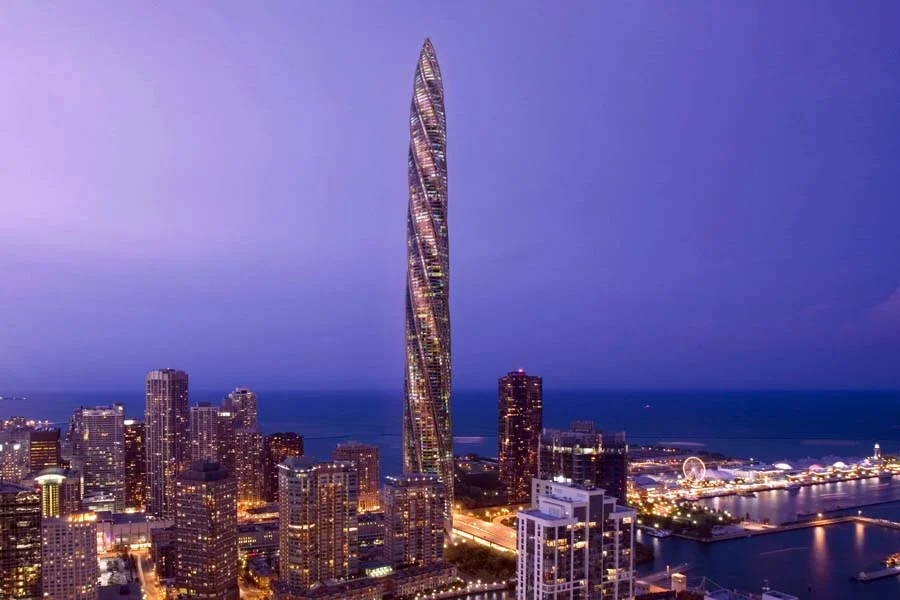
The Chicago Spire project was intended to become the tallest building in the Western Hemisphere—150 floors designed by Santiago Calatrava. Construction began in 2007, and by 2008 the foundation and central structural elements had already been completed.
However, the global financial crisis and funding issues brought the project to a halt. Additional complications arose from financial disputes, with the architect claiming $11.34 million in unpaid fees. In 2014, the site was acquired by developer Related Midwest, which abandoned the original concept.
Ryugyong Hotel, North Korea
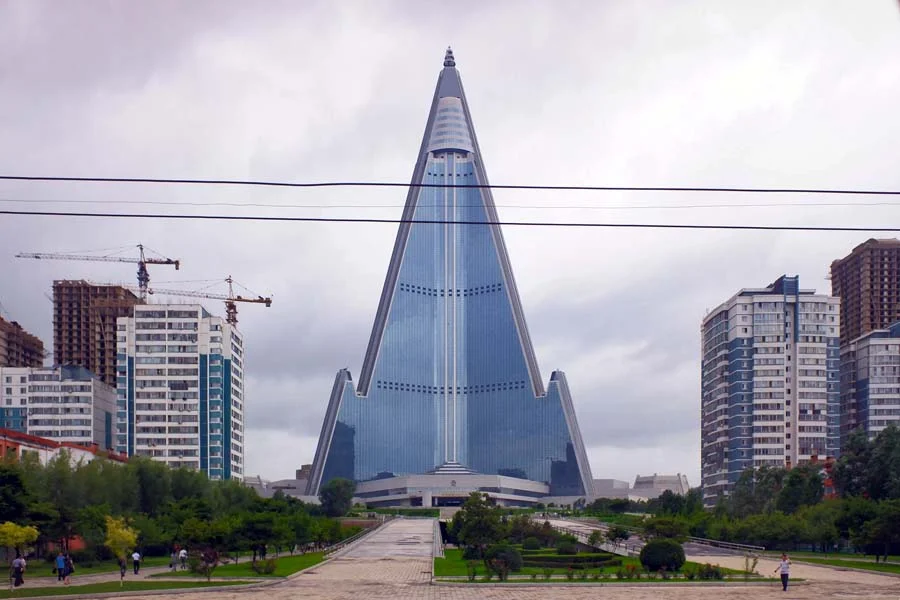
The Ryugyong Hotel in Pyongyang became one of the most recognizable long-term construction projects in the world. The 330-meter pyramid-shaped building began construction in 1987 as a hotel and residential complex. Work stopped in 1992 following an economic crisis triggered by the collapse of the Soviet Union.
By that time, the building had already reached its full height and was considered one of the tallest in the world. For more than 16 years, it remained an empty concrete shell. Construction resumed in 2008, and the exterior was completed in 2011. Despite announcements about a possible opening in 2013, the hotel is still not operational.
Torre David, Venezuela
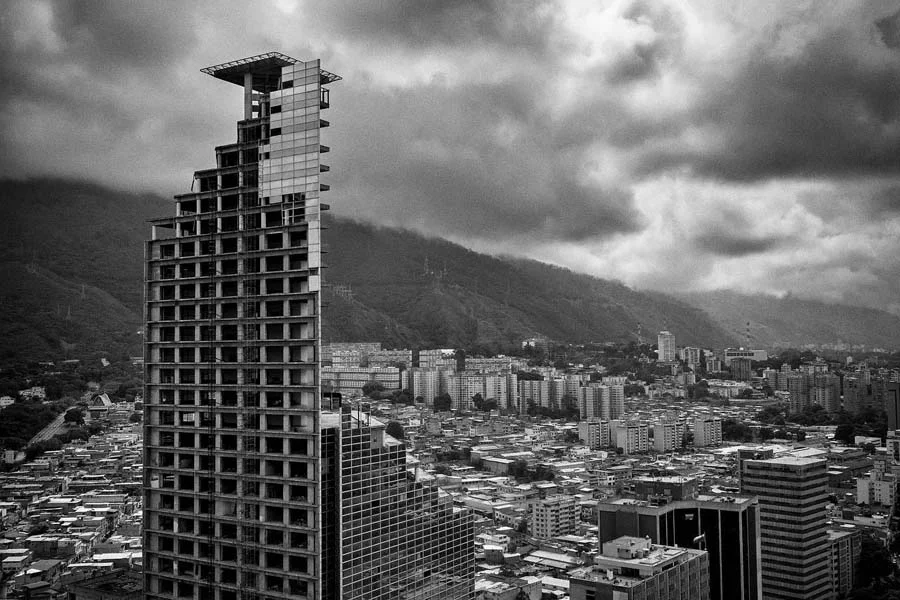
The Torre David skyscraper is an example of how an unfinished building can unexpectedly gain a “second life.” Construction began in 1990 as a financial center, but the project was frozen in 1994 due to an economic crisis. Over time, the building was occupied by people left without housing.
At its peak, around 5,000 squatters lived there, turning it into the world’s largest “vertical squat.” In 2014, authorities began evicting residents with plans to sell the building, but the deal never materialized. The structure later suffered additional damage, including from an earthquake.
Jeddah Tower, Saudi Arabia
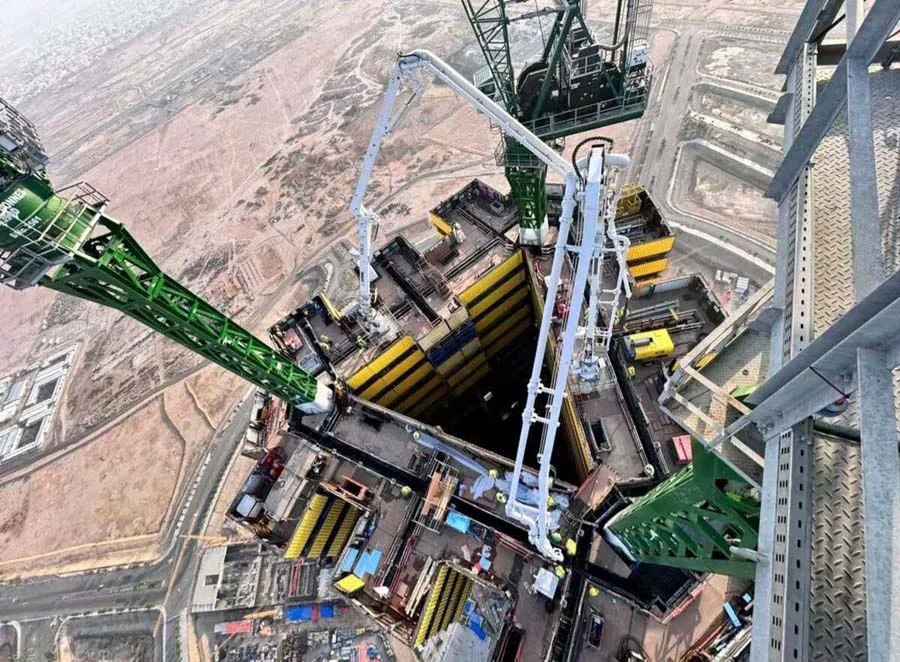
The Jeddah Tower project was conceived as the first building in the world to exceed one kilometer in height. Construction began in 2013, designed by Adrian Smith + Gordon Gill Architecture. By 2018, 63 floors had been completed before work stopped.
The reasons were not officially disclosed, but amid political and economic factors, the project was frozen for nearly seven years. In early 2025, the developer Kingdom Holding Company announced the resumption of construction and a return to the original concept, making it one of the few long-term projects with a realistic chance of completion.
Dubai Creek Tower, UAE
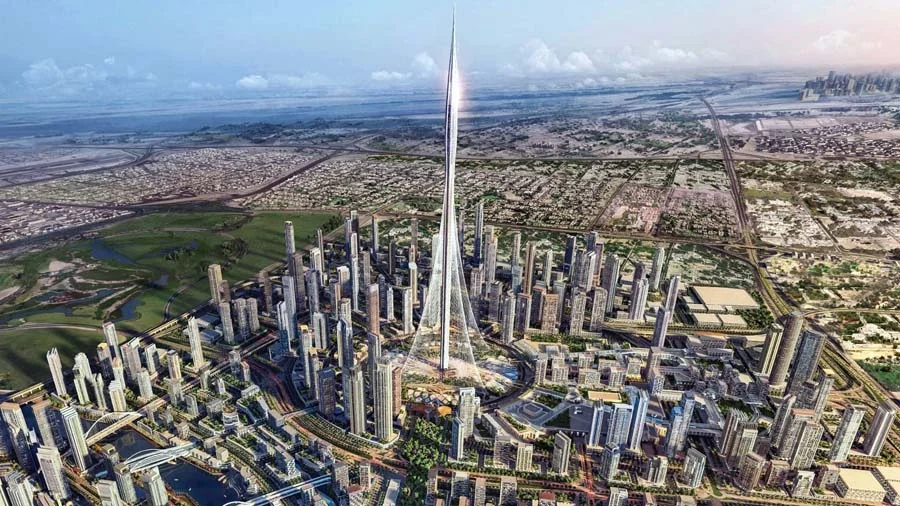
The Dubai Creek Tower was planned to become the tallest structure in the world and a key element of the Dubai Creek Harbour district. Construction began in 2016, also designed by Santiago Calatrava—the same architect behind the unfinished Chicago Spire.
By 2018, the foundation had been completed, but progress stalled afterward. During the pandemic, the project was officially suspended. It was later decided to resume construction in a modified form: the height and scale of the tower will be significantly reduced, and it will no longer aim to break world records.
These projects demonstrate that even the most ambitious and expensive ideas can be vulnerable to external circumstances. Financial crises, political decisions, and shifts in market conditions can halt construction at any stage.