







 Latvia’s Residence Permits for Real Estate to Be Abolished from September 15
 Egypt Prepares New Law for Property Developers
 Young Japanese Buyers Turn to 50-Year Mortgages
 Argentina Narrows Tourism Gap as Arrivals Rise
 Seattle Luxury Housing Loses Its Former Momentum
 The World’s Strongest Passports for Travel, Living and Investment
Housing Prices in Bosnia Rise by 71% in Five Years
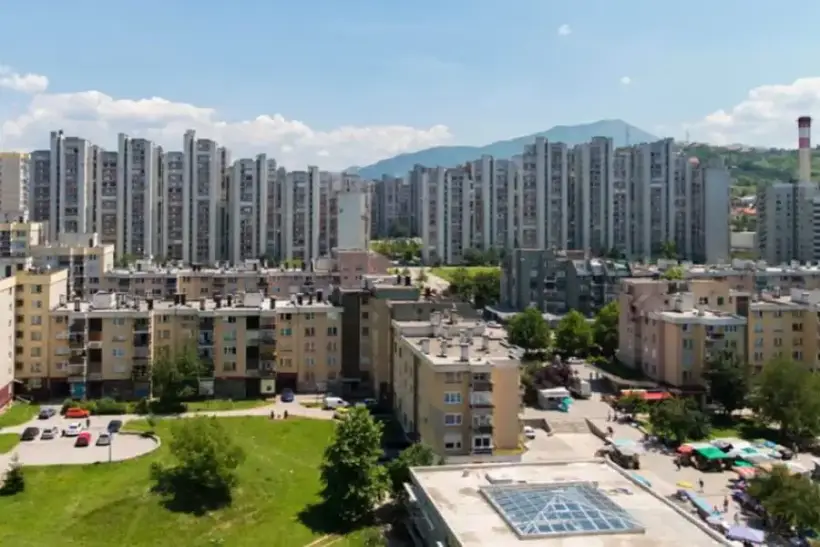
Real estate prices in the countries of the Adriatic region have increased significantly over the past five years. Bosnia and Herzegovina is leading the region in terms of price growth, with an increase of 71% between 2019 and 2025. In Sarajevo, prices are approaching €2,000 per sq. m, according to Bloomberg Adria.
Ranking of Countries by Real Estate Price Growth
The rise in housing prices across the Adriatic region over the past five years has been driven by strong demand, higher construction material costs, and increasing labor expenses in the construction sector.
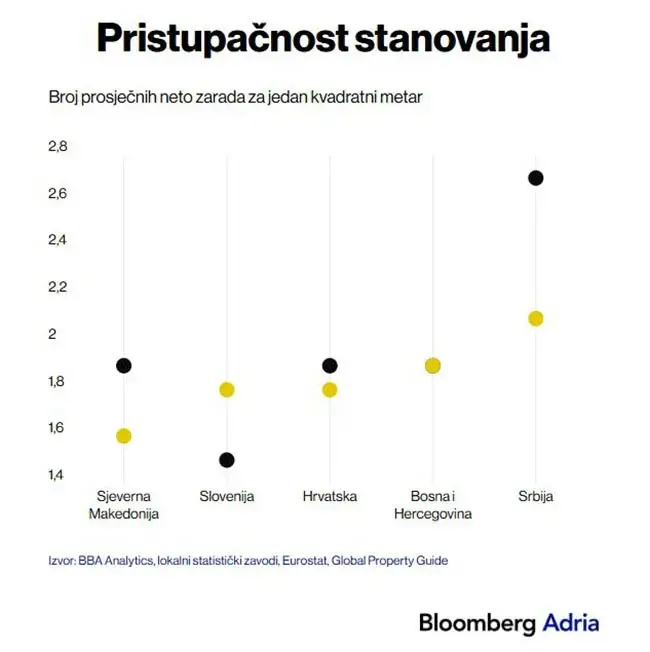
Between 2019 and 2025, property prices increased by 68% in Croatia, 58% in Slovenia, 54% in North Macedonia, and 41% in Serbia. Bosnia and Herzegovina recorded the highest growth rate among the countries in the region, with prices rising by 71%.
At the same time, average net salaries in the region also increased, supporting purchasing power and maintaining activity in the real estate market.
New Housing in Bosnia Becomes 20% More Expensive in One Year
Housing Price Dynamics
Analysts warn that if current trends continue, apartment prices in Sarajevo could exceed 4,000 convertible marks (€2,045) per sq. m. There are grounds for such expectations, as in the first quarter of 2026 the average price of newly built housing in Bosnia increased by 20.4% year-on-year, reaching 3,701 KM (€1,890) per sq. m.
The most in-demand properties are small apartments, including studios and units of up to 50 sq. m. Prices for such properties range from 4,500 to 10,000 KM (€2,300–€5,100) per sq. m. The most expensive offers are concentrated in premium developments and attractive districts of major cities, where some buyers purchase property for rental purposes.
Investor Saša Kondić from Banja Luka said that apartments priced below 3,700–3,800 KM (€1,890–1,940) per sq. m in this segment are becoming increasingly rare, while the upper price level reaches around 8,000 KM (€4,100) per sq. m.
Housing Sales and Construction
The increase in new housing prices was accompanied by higher buyer activity. In the first quarter of 2026, the number of transactions on the primary housing market increased by 59.4% compared with the same period in 2025. The total area of newly sold apartments grew by 60.9%.
Between January and March, the volume of completed residential construction in Bosnia and Herzegovina increased by 6.2% to 971 units. At the end of the first quarter, the country had 7,504 unfinished apartments, which was 16.8% more than a year earlier.
Bosnia’s Real Estate Market: Trends and Outlook
The main factor supporting Bosnia and Herzegovina’s real estate market remains strong buyer demand. Dragan Milanović, head of the Remax agency in Banja Luka, noted that prices on the secondary market also remain high, which encourages many buyers to choose new apartments. According to the expert, new properties require lower spending on renovation and maintenance, making them attractive for long-term ownership.
Transactions are driven both by housing needs and investment purposes. Additional demand comes from citizens of Bosnia and Herzegovina working abroad. For them, purchasing property in their home country often remains a more affordable option compared with real estate markets in major European cities such as Vienna or Munich.
International Investment analysts believe that price growth in Bosnia and other countries of the region may continue. The market will be supported by stable demand and further increases in construction costs. However, the pace of growth is expected to become more moderate.