







 Housing Prices in Israel Fell 1.5% Year-on-Year
 Immigration Slowdown Reshapes the US Sun Belt
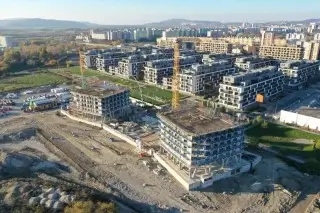 Slovakia Reforms Building Rules as Housing Starts Slide
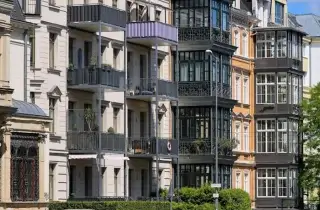 EU Proposes New Restrictions on Short-Term Housing Rentals
 Canada Fast-Tracks Tax Rulings for C$1 Billion Investments
 China Nears a Decision on Fresh Stimulus
Apartment Prices in Estonia Differ by 51 Times
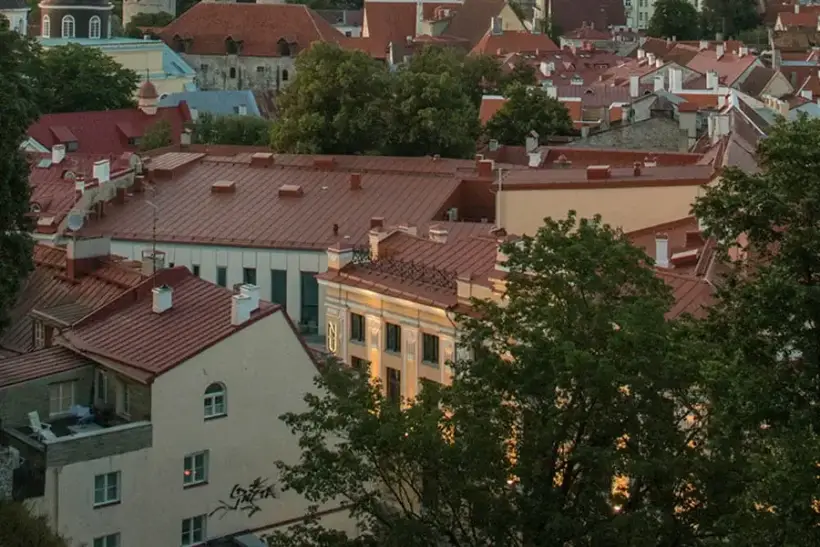
The gap in apartment prices between Tallinn and the most affordable cities in Estonia continues to widen. The median price per square meter in the capital has reached €2,827, while in Püssi it stands at just €55 — a difference of more than 51 times, ERR News reports, citing data from Estonia’s Land and Spatial Development Board.
The Cheapest Apartments Are in Ida-Viru County
The lowest apartment prices are recorded in Ida-Viru County. Püssi shows the widest gap with Tallinn, with a median price of €55 per square meter compared with €2,827 in the capital.
Apartments in Kiviõli are 33 times cheaper than in Tallinn, in Kohtla-Järve almost 18 times cheaper, and in Sillamäe more than 12 times cheaper. The difference is about tenfold between the capital and Valga, Kunda and Tamsalu. In Narva, a square meter costs roughly seven times less than in Tallinn.
Urmas Uibomäe, CEO of real estate portal Kinnisvara24, links the gap to demographic and economic disparities between Estonia’s regions. Over the past 20 years, the demographic divide between Tallinn and other parts of the country has widened significantly. Smaller towns have seen substantial population declines, wages remain relatively low, and the market has a large stock of older housing, some of which is vacant.
Tallinn Housing Prices Have More Than Doubled
Over the past 20 years, the median price per square meter in Tallinn has more than doubled. In other Estonian cities, the trend has been less consistent, and in some locations current prices still remain below 2006 levels.
In Narva, housing is still 28% cheaper than 20 years ago, while in Sillamäe prices are about one-third lower. Over the same period, prices in Kohtla-Järve rose by around 20%, in Kunda by 14%, while in Tamsalu they more than tripled.
A substantial gap also remains between counties. In Harju County, which includes Tallinn, the median price per square meter is 11 times higher than in Ida-Viru County and 8.7 times higher than in Valga County.
Purchasing Power in Tallinn Has Improved
Rising prices have not prevented conditions in the Tallinn housing market from improving. According to Swedbank, buyers’ purchasing power has strengthened over the past year. Wage growth, accelerated by income tax reform, is significantly outpacing apartment price increases. As a result, the average net salary now buys more living space than a year earlier.
A household earning 1.5 times the average net salary could afford an apartment of up to 77.6 square meters on Tallinn’s secondary market in April–June 2026. In 2025, the figure was just over 74 square meters.
Buyers’ position has also improved in the new-build segment. Based on developers’ asking prices, the same level of income could buy a new apartment of up to 42 square meters in 2025 and 44.7 square meters in 2026.
What This Means for Investors
Estonia’s real estate market is becoming increasingly fragmented. In the first quarter of 2026, housing prices rose by 5.9% year on year, including a 6.9% increase for apartments, but demand trends differed: the number of purchases outside Tallinn increased, while transactions in the capital declined slightly. At the same time, the price gap between individual cities reaches dozens of times, pointing to fundamentally different prospects across local markets.
Analysts at International Investment note that low prices in Ida-Viru County and other economically weaker areas allow investors to enter the market with relatively little capital, but they also reflect limited demand. In places with shrinking populations and a large stock of older housing, relying solely on capital appreciation is risky, as returns may remain low. Such properties may also be harder to rent out or resell.
The entry threshold in Tallinn is significantly higher, but the market is supported by higher incomes and a concentration of economic activity, which is important for liquidity. At the same time, investors in the capital need to assess returns more carefully: high purchase prices mean that future capital growth must be sufficient to justify the larger initial investment.
Russian and Belarusian nationals are unlikely to find Estonia attractive for new property investments. The authorities plan to prohibit such buyers from completing real estate transactions from January 1, 2027. According to Global Property Guide, the average gross rental yield in Estonia stands at 4.9% in 2026. Maintenance costs, taxes and marketing typically reduce this figure by a couple of percentage points. Rental profitability is therefore relatively modest, leaving potential capital appreciation as the main investment argument.