







 Israel Expels Russians and Ukrainians
 Russia’s GDP Growth Slows to 1%: Risks of Stagnation
 Bosnia and Herzegovina Restricts Work Visas for Nationals of Four Countries
 76% of Europeans Plan Trips, 40% Use AI
 Uzbekistan Changes Real Estate Investment Terms: 20 Years of Tax Incentives
 Georgia Construction Costs Spike in September: What Drove the Price Increase?
Short-Term Rental Rates in Greece Rise by 8%
Unsplash
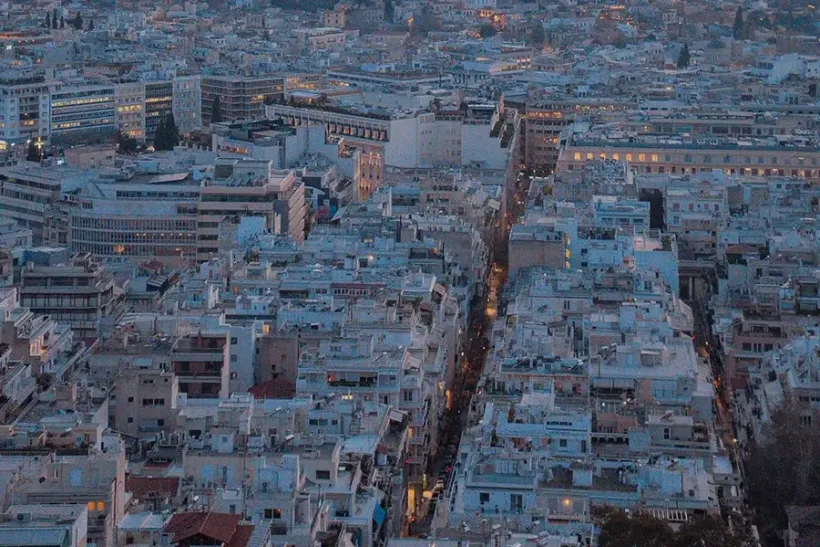
Short-term rental rates in Greece rose by nearly 8% in 2026, according to Hosthub. The average nightly rate reached €121.55, although property occupancy barely changed. Airbnb's new fee structure is prompting property managers to adjust their rates to maintain their previous income. Meanwhile, property maintenance costs and legal restrictions raise questions about the actual profitability of these investments.
Rental Prices in Greece
Apartments, Holiday Homes and Villas
Hosthub's research covers more than 17,000 short-term rental properties across Greece, including apartments, houses and villas. From January to September 2026, the average nightly rate rose by 7.9%, from €112.68 to €121.55. Occupancy barely changed, edging up from 34.58% to 34.85%.
Revenue per available rental night (RevPAR) increased by 8.7%, from €38.96 to €42.36. This metric combines the nightly rate with the proportion of dates booked. The comparison is based on bookings recorded by September 25 in each year, including stays scheduled for later months. The accommodation price includes platform commissions but excludes taxes and additional charges; final results for 2026 may differ.
Table 1. Short-Term Rental Market Trends in Greece, 2025–2026
|
Metric |
2025 |
2026 |
Change |
|
Average nightly rate |
€112.68 |
€121.55 |
+7.9% |
|
Occupancy |
34.58% |
34.85% |
+0.27 pp |
|
RevPAR |
€38.96 |
€42.36 |
+8.7% |
Athens and Thessaloniki
On the Athens Riviera, revenue per available night (RevPAR) rose by 22.7% to €46.52, the largest increase among the destinations surveyed. The average nightly rate in the capital's southern suburbs was €107.43, while occupancy climbed from 38.68% to 43.30%. Both prices and the share of booked nights increased.
In central Athens, the average rate was €96.69, but occupancy fell to 44.74%. RevPAR rose by just 1.5% to €43.26. Accommodation was cheaper in Thessaloniki, at €65.08 per night, although its occupancy reached 46.69% and RevPAR increased by 12.8% to €30.39.
The Cyclades and Ionian Islands
Tourists paid an average of €267.56 per night in the Cyclades, more than in any other destination covered by the research. However, only 23.08% of available nights were booked, while RevPAR reached €61.76, up 18.2%. Expensive villas and pronounced seasonality affect the islands' average figures.
On the Ionian Islands, guests paid an average of €205.30 per night and occupancy reached 28.35%. RevPAR increased by 11.8% to €58.20. Both island markets command high rates but fall well behind Athens and Thessaloniki in the share of nights booked.
Table 2. Short-Term Rental Prices and Occupancy by Region in Greece, 2026
|
Region |
Nightly rate |
Occupancy |
RevPAR |
|
Athens Riviera |
€107.43 |
43.30% |
€46.52 |
|
Central Athens |
€96.69 |
44.74% |
€43.26 |
|
Thessaloniki |
€65.08 |
46.69% |
€30.39 |
|
Cyclades |
€267.56 |
23.08% |
€61.76 |
|
Ionian Islands |
€205.30 |
28.35% |
€58.20 |
Airbnb Fees and Rental Prices
Advertised rates have been affected by Airbnb's new commission structure. Previously, many property managers paid the platform around 3%, while guests paid a separate service fee. Under the new model, a single 15.5% commission is deducted from the host's payout. Some companies have raised their listed prices to maintain previous receipts, according to the Greek travel publication Greek Travel Pages.
With a listed price of €100 and a 3% commission, the host received approximately €97. If the advertised rate increases to €115, the payout after a 15.5% deduction remains almost unchanged. A higher price in the statistics therefore does not necessarily mean greater earnings for the owner. Nor does it prove guests are paying that much more overall, since a separate service fee was previously added during booking.
Bookings are also shifting between sales channels. The share of direct bookings rose from 8.9% to 10.6%, Booking.com's share slipped from 56.4% to 55.7%, and Airbnb accounted for 32.2%. Direct sales can reduce intermediary commissions but require spending on marketing, payment processing and guest services.
Rental Property Yields in Greece
Revenue from tourists is not the same as an owner's net profit. Management, cleaning, utility bills, insurance, repairs and taxes must all be paid from it. Holiday properties also require upkeep during months without guests, while preparations for the high season often involve additional investment. These costs vary depending on the type of property and how it is managed.
According to Global Property Guide, the average gross yield on long-term rental property in Greece was 4.28% in the fourth quarter of 2026. The figure is calculated by comparing annual rental income with the purchase price, without deducting expenses. Renting out a comparable 75 sq. m apartment in central Athens brought in around €600 after income tax, excluding other costs.
Short-term rentals in Athens leave owners with less than half of gross revenue after taxes, management and maintenance expenses, Kathimerini reports. In 2025, monthly revenue of €1,740 translated into a net profit of about €800. In the tourist district of Koukaki, owners received €1,000–€1,100 on revenue of €2,200.
Restrictions on Short-Term Rentals in Greece
Registration Bans in Athens and Thessaloniki
In central parts of the capital, new properties cannot be registered for short-term rentals in Athens. The restriction applies to the first, second and third municipal districts. Similar rules have been in place in Thessaloniki's first municipal district since July 1, 2026. Both bans are scheduled to remain in effect until December 31, 2026.
In September, the authorities announced plans to extend rental restrictions in Greece until the end of 2027, although the decision has not yet been enacted. When a property in a restricted area is sold, its registration number is cancelled. The new owner cannot obtain permission to rent it out until the ban is lifted. Violations carry a fine equal to 50% of rental revenue, with a minimum of €20,000. A repeat violation within the same tax year raises the penalty to 100% of receipts, with a minimum of €40,000.
Requirements for Tourist Accommodation
Since October 2025, short-term rental regulations in Greece have required owners to provide natural light, ventilation, air conditioning and fire protection. Liability insurance, proof of electrical safety, smoke detectors, a first-aid kit and evacuation signs are also mandatory. Non-compliance carries a €5,000 fine, which doubles for a repeat violation within a year.
Additional restrictions apply to properties bought under the updated terms of Greece's Golden Visa program. Such homes cannot be rented to tourists on a short-term basis. Violations carry a €50,000 fine and cancellation of the residence permit, while long-term rentals remain allowed. Different conditions may apply to properties acquired under earlier rules, so buyers should check their legal status before completing a purchase.
Outlook for Greece's Rental Market
International Investment analysts note that rising short-term rental rates in Greece do not yet indicate a stronger market. Higher prices at stable occupancy can offset some expenses but do not solve the problem of seasonal vacancies. Looking ahead, properties able to attract guests beyond the peak season may gain an advantage. For owners, this offers greater potential to increase annual revenue than raising rates further during periods of peak demand.
Yet even a successful tourist rental operation may not be attractive to a new investor. In areas subject to registration bans, a buyer cannot continue short-term letting after ownership changes, regardless of the property's previous financial performance. This creates a significant gap between the returns of an established rental business and the opportunities to acquire property for the same purpose. As a result, rising income for existing operators may coincide with fewer investment opportunities in Greece's most sought-after urban markets.
FAQ: Renting Property in Greece
How much does short-term rental accommodation cost in Greece?
From January to September 2026, the average nightly rate rose by 7.9% to €121.55.
Where are short-term rentals most expensive in Greece?
In the Cyclades, at an average of €267.56 per night. However, only 23.08% of available dates were booked.
How much income do short-term rentals in Athens generate?
According to Kathimerini's figures for 2025, monthly revenue of €1,740 left approximately €800 after taxes and expenses.
Where do rental restrictions apply in Greece?
New registrations are prohibited in Athens' first, second and third municipal districts and Thessaloniki's first district until December 31, 2026.
Can Golden Visa properties in Greece be rented out?
Under the program's updated rules, short-term tourist rentals are prohibited, but long-term leasing is permitted.