







 Israel's Real Estate Market: Falling Prices and Declining Sales
 Germany Proposes Expanding Eligibility for Residence Permits
 Vienna Tightens Rules for Short-Term Apartment Rentals
 60% of EU Foreign-Affiliate Turnover Comes From Outside EU
 Israel Expels Russians and Ukrainians
 Russia’s GDP Growth Slows to 1%: Risks of Stagnation
Paraguay New-Build Home Prices Rise by 25%
Ahendu.com
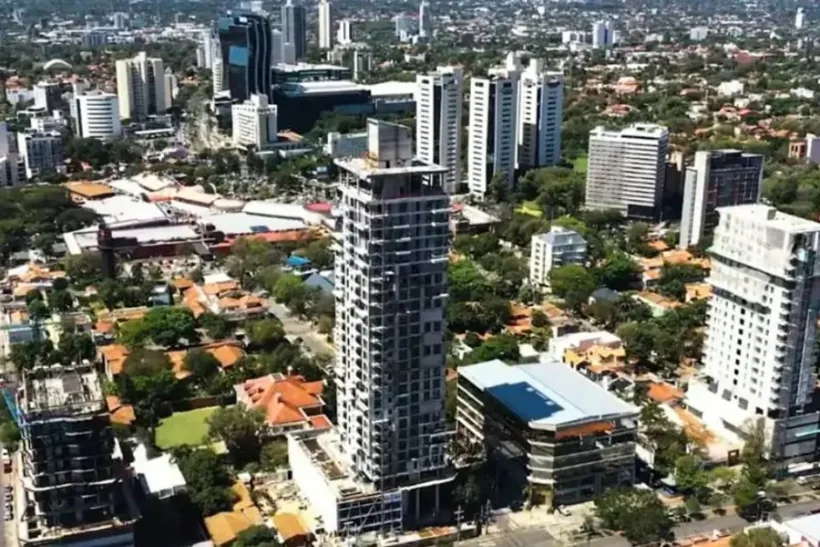
New-build homes in Paraguay have risen in price by 20–25% as the US dollar weakened and construction costs increased. Developers have had to revise prices and contract terms with investors, while some projects have already been suspended. Demand for apartments has nevertheless remained stable, partly supported by foreign buyers.
How much do new-build apartments cost in Paraguay?
From January to October 2026, new-build apartment prices in Asunción's business districts rose from $1,800 to $2,000–2,300 per sq. m. In September, developers were asking an average of $95,210 for one-bedroom units in the capital and $150,600 for two-bedroom units. By November, the median asking price, including resale properties, was $1,810 per sq. m.
Housing was cheaper in the suburbs. In September, one-bedroom options were priced at $57,000 and two-bedroom options at $85,700. In November, asking prices reached $1,380 per sq. m in Luque, $1,259 in Fernando de la Mora and $1,183 in San Lorenzo. These figures cover properties of different ages and reflect listing prices rather than completed transactions.
Across Paraguay, new builds rose in price by 20–25% compared with levels before the dollar's decline, according to Raúl Constantino, president of the developers' association CAPADEI. The increase varies by location and project features.
Apartment prices in Asunción and suburbs, September 2026
|
Location |
1 bedroom |
2 bedrooms |
|
Asunción |
$95,210 |
$150,600 |
|
Suburbs |
$57,000 |
$85,700 |
Housing construction in Paraguay
In 2025, the approved area of construction in Asunción grew by 43.3% to 571,604 sq. m. During the first 19 days of October 2026, the municipality received another 60 applications for high-rise buildings covering around 58,500 sq. m.
Among the major projects announced in the autumn is Plaza by Civis, with investment of $65 million. The development is planned to include a 45-storey residential tower, a 36-storey office building and a shopping arcade. Construction is expected to take five years. In early November, Singular Desarrollos began marketing MOVA del Sol, a 27-storey building with 228 apartments. The project offers hotel-style services and short-term rental management.
In Luque, a suburb of Asunción, developer Marena began building two new towers, Costa and Duna, with 210 homes. They will join existing buildings beside an artificial lagoon, where the company has already sold more than 500 units. The handover of Brisa was scheduled for November 2026.
Meanwhile, construction costs in Paraguay continue to rise. In August 2026, roof tiles increased in price by 17.8% year on year, bricks by 16.2%, and cement by 9.2%. Diesel climbed 24.6% in September, raising transport and equipment expenses. Some imported products, however, became cheaper.
Annual increases in construction input prices in Paraguay
|
Material or resource |
YoY price change |
Period |
|
Diesel fuel |
+24.6% |
September 2026 |
|
Roof tiles |
+17.8% |
August 2026 |
|
Bricks |
+16.2% |
August 2026 |
|
Cement |
+9.2% |
August 2026 |
Foreign property investors in Paraguay
Buyers from neighboring countries are interested in property in Paraguay, particularly small completed apartments intended for rental. Ochenta SA co-founder Tavo Ayala cites dollar-denominated transactions, relatively low taxes, and proximity to Brazil and Argentina as advantages of the local market.
In October, gross rental yields reached 10.4% annually, according to TuLugar. Realtors estimated net returns of 5–7% for well-located properties. Taxes, maintenance expenses and periods without tenants explain the gap.
In 2026, Paraguay expanded the options for foreigners to obtain permanent residency through the Paraguay Investor Pass program. The minimum investment is $200,000, and funds must be directed toward economic activity. Purchasing a home for personal use does not meet this requirement. Applicants in this category do not need to create jobs or submit a business plan, but they must document the origin of their funds and undergo the required checks.
What this means for investors
International Investment analysts note that real estate investment in Paraguay is becoming riskier. Much of the recent increase in property prices reflects higher costs for developers rather than stronger buyer demand. This limits potential further appreciation and makes speculative purchases less attractive. The expanding supply could slow price growth, particularly in areas with many new residential properties.
The market still offers opportunities for long-term investment, but high returns should not be assumed across the board. Net yields of 5–7% per year are mainly achievable in well-located properties; returns in less sought-after areas may be considerably lower. At current prices, buying completed homes with demonstrated demand appears less risky than purchasing units before completion. Off-plan investment makes sense primarily when there is a substantial price advantage and the developer has a sound financial position.
Frequently asked questions about Paraguay property
How much do new-build apartments in Asunción cost in 2026?
In October, developers were asking $2,000–2,300 per sq. m in the capital's business districts, up from around $1,800 in January.
Why are housing prices rising in Paraguay?
The main reasons are a weaker US dollar and higher construction costs. Developers pay a significant share of their expenses in guaraní.
What rental yields can investors earn in Paraguay?
Net returns of 5–7% a year are mainly possible in desirable locations. Returns may be substantially lower in less popular areas.
Is investing in Paraguayan property worthwhile?
Completed apartments with established demand appear to offer a more defensible option. Buying before completion adds risks, particularly when initial prices are already high.