







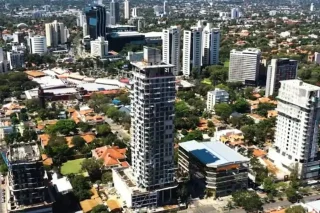
 Paraguay New-Build Home Prices Rise by 25%
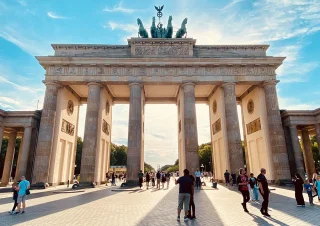 Germany Proposes Expanding Eligibility for Residence Permits
 Vienna Tightens Rules for Short-Term Apartment Rentals
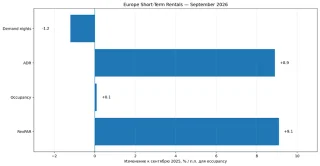 60% of EU Foreign-Affiliate Turnover Comes From Outside EU
 Israel Expels Russians and Ukrainians
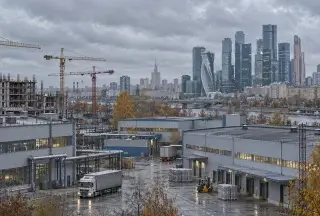 Russia’s GDP Growth Slows to 1%: Risks of Stagnation
Israel's Real Estate Market: Falling Prices and Declining Sales
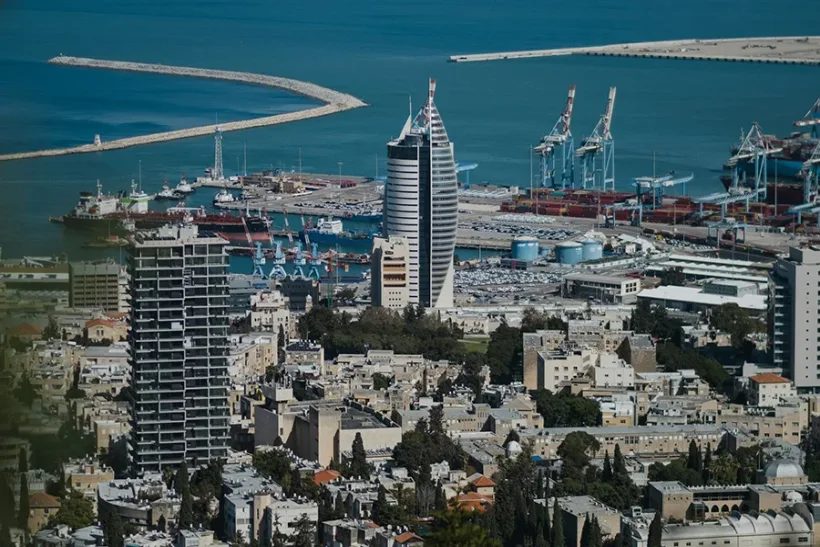
Unsplash
The number of property transactions in Israel is falling, and developers are finding it increasingly difficult to attract buyers. Apartment prices have declined by 1.5% over the past year, according to the country's Central Bureau of Statistics. Meanwhile, rents continue to rise even as inflation has slowed to its lowest level in five years.
Apartment Price Trends in Israel
Apartment prices in Israel fell by 0.2% in August–September 2026 compared with July–August, and by 1.5% compared with the same period in 2025. The index covers both new and existing homes and adjusts for property characteristics. Its three latest readings remain provisional: the statistics bureau may revise them as additional transactions are registered.
The current sequence of negative annual readings is the longest in the past decade. An earlier notable downturn lasted three quarters in 2018, while another occurred in the second half of 2023. Over the five years since August–September 2021, however, the overall index rose by 25.9%. The recent decline has not erased those gains.
Tel Aviv District recorded the largest annual drop in August–September, at 2.1%. Prices fell by 2% in Central District and 1.6% in Southern District. The declines were smaller in Northern District, at 0.3%, and Jerusalem District, at 0.1%. Haifa District was the only one to register an increase, of 0.3%.
|
District |
Two-month change |
Annual change |
|
Tel Aviv |
−0.8% |
−2.1% |
|
Central |
−0.2% |
−2.0% |
|
Southern |
−0.6% |
−1.6% |
|
Northern |
+0.4% |
−0.3% |
|
Jerusalem |
0% |
−0.1% |
|
Haifa |
+0.8% |
+0.3% |
How Much Do Apartments Cost in Israel?
The average price of an apartment sold in the second quarter was ILS 2.424 million, falling to ILS 2.287 million ($710,000) in the third. The statistics cover transactions on the open market only and exclude government-subsidized purchases.
Tel Aviv District remained the most expensive, with an average apartment price of ILS 3.46 million ($1.07 million), compared with ILS 1.499 million ($466,000) in Northern District. Within cities, apartments sold for an average of ILS 4.606 million ($1.43 million) in Tel Aviv and ILS 3.594 million ($1.12 million) in Herzliya. In Beersheba, the figure was ILS 1.276 million ($396,000). The average in Tel Aviv was more than 3.5 times that in Beersheba.
|
City |
Price, ILS million |
US dollar equivalent |
|
Tel Aviv |
4.606 |
$1.43 million |
|
Herzliya |
3.594 |
$1.12 million |
|
Beersheba |
1.276 |
$396,000 |
Home Sales Decline
In July–September 2026, apartment sales in Israel fell by 7.3% compared with the same period in 2025, to 21,750 transactions. The total was also 5.7% lower than in the second quarter. These figures are not seasonally adjusted. After seasonal adjustment, sales rose by 2.6% year on year but fell by 6.8% from the previous quarter.
Most of the decline occurred in the existing-home market, where 12,560 apartments were sold, 14.2% fewer than a year earlier. Sales of new homes, by contrast, rose by 4% to 9,190 units. Compared with the second quarter, however, this segment also recorded a decline of 7.2%.
In the third quarter, 35.7% of new apartments purchased—around 3,280 units—were acquired through government programs. Another approximately 5,910 were sold without subsidies. The overall new-home sales figures include both groups, although their purchasing conditions differ.
Unsold New Homes Continue to Accumulate
By the end of September, 85,080 apartments in Israel's new developments remained unsold. At the current level of buyer activity, this inventory would last 25.8 months—more than two years. According to the statistics bureau, the number of unsold units had been rising by an average of 1.2% per month since April 2022.
Tel Aviv District had the largest inventory of unsold new homes, at approximately 26,500 apartments, or 31.2% of the total. Central District ranked second, with 21,070 units (24.8%). Together, the two districts accounted for 56% of the available supply.
Among cities with populations above 100,000, Jerusalem ranked first with approximately 10,190 unsold apartments. Tel Aviv had 10,070, Bat Yam 5,000 and Ramat Gan 3,950. Jerusalem and Tel Aviv alone accounted for almost one-quarter of the country's total new-home inventory.
|
City |
Unsold apartments |
|
Jerusalem |
10,190 |
|
Tel Aviv |
10,070 |
|
Bat Yam |
5,000 |
|
Ramat Gan |
3,950 |
Rent in Israel as Inflation Slows
Annual inflation in Israel slowed to 1.1% in October, its lowest level since April 2021. The consumer price index declined by 0.1% during the month, while the rent component rose by 0.2%. Housing costs have moved differently from average prices for goods and services. This is particularly evident when existing leases are renewed or new tenants move in.
For tenants who renewed their leases, rents increased by 2.8%. Where tenants changed, the rise reached 5.5%. The Central Bureau of Statistics explains that both measures approximate the annual change in rent for the respective groups. They do not represent the entire rental market, since rent generally remains fixed until a lease expires.
Changes in apartment purchase prices and rental payments are measured using different samples and methods. The first indicator reflects property sales, while the second concerns rental agreements. As a result, falling home prices do not necessarily mean lower costs for families that continue to rent. For these households, the amount due when a lease is next renewed is what matters.
Interest Rates and Outlook
The Bank of Israel's policy rate remained at 3.25% following its October 21 decision. At that time, the central bank cited persistent geopolitical uncertainty and the need to consider inflation, economic activity and financial stability risks. Its next decision is scheduled for November 23. October's lower inflation reading will be one of the new factors in its monetary policy assessment.
For homebuyers, both the asking price and access to financing matter. The policy rate affects bank lending, although individual mortgage terms depend on the loan duration, the down payment and the lender's assessment of the borrower. A high debt burden can restrict demand even when apartment prices are lower. The published figures do not establish that a policy rate cut would automatically increase sales.
Analysts at International Investment note that future market trends will depend primarily on how quickly new apartments are sold and how active buyers remain in the existing-home market. The substantial share of subsidized transactions shows that government programs continue to play a significant role in the new-build segment. With supply concentrated in central districts and considerable regional differences, the data do not point to a uniform price trajectory across the country.
Frequently Asked Questions About Real Estate in Israel
How much have apartment prices in Israel fallen?
In August–September 2026, prices were 1.5% lower than in the same period of 2025.
What is the average apartment price in Israel?
In the third quarter of 2026, the average price of an apartment sold was ILS 2.287 million ($710,000).
How many apartments remain unsold in new developments in Israel?
By the end of September, 85,080 units were unsold. At the current level of buyer activity, this inventory would last 25.8 months.
How have apartment sales in Israel changed?
In July–September 2026, there were 21,750 transactions, down 7.3% from a year earlier.
How are rents changing in Israel?
According to October data, rents rose by 2.8% for renewed leases and by 5.5% when tenants changed.