







read also
 Hong Kong Home Prices End 13-Month Rally
 Hot Summer Boosts UK Domestic Tourism
 Manila Condo Inventory Hits Record as Values Weaken
 Cyberattack Paralyzes Real Estate Transactions in Romania
 Short-Term Rental Rates in Greece Rise to €200 per Night
 Asia-Pacific Property Investment Hits Record $92.5 Billion
Hotels at Historic Railway Stations: How Train Terminals Became Luxury Destinations

Photo: BBC Travel
Railway stations have long served as urban landmarks — designed as symbolic “gateways” welcoming travelers and as architectural monuments of their time. BBC Travel notes that many of these historic terminals are now experiencing a revival: they are being transformed into hotels that preserve their architecture and atmosphere while adapting the space to the needs of modern guests. These projects blend nostalgia, aesthetics and the opportunity to touch history without sacrificing 21st-century comfort.
London: St Pancras Renaissance — the return of Victorian grandeur
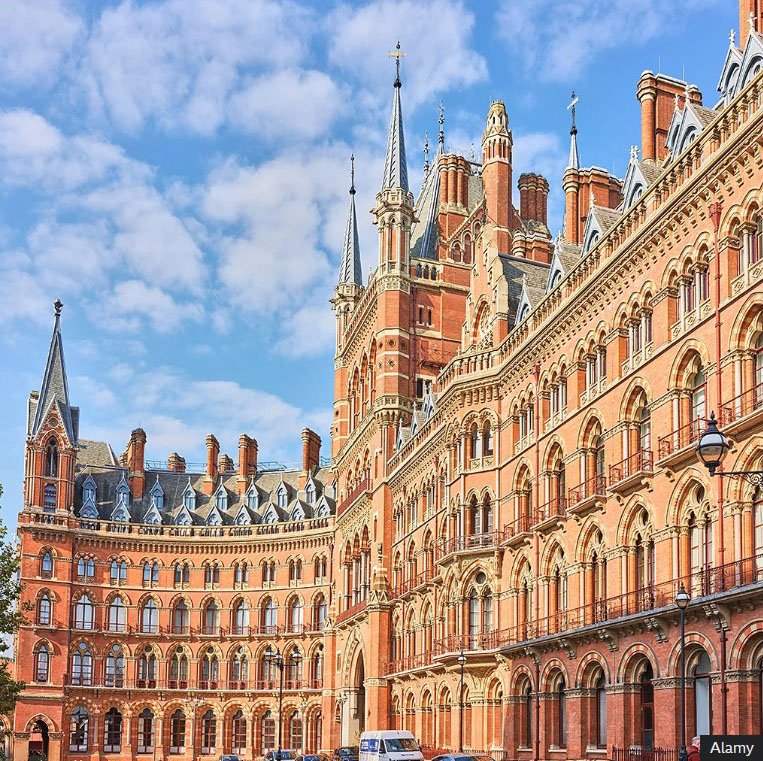
Built in the 19th century in a Neo-Gothic style, St Pancras station was long regarded as one of the most impressive in Europe. Its red-brick façade, towers, high arches and decorative details once embodied the power and ambition of the railway era. After decades of decline, the complex was carefully restored, and the historic hotel once again welcomes guests.

The restoration of the interiors was carried out with exceptional precision: mosaics, staircases, wall paintings and vaulted ceilings were brought back to their original appearance. As a result, the hotel is now perceived not merely as accommodation but as part of London’s cultural landscape — staying here feels like traveling back to Victorian England.
Tokyo: Tokyo Station Hotel — harmony of Japanese history and modern elegance
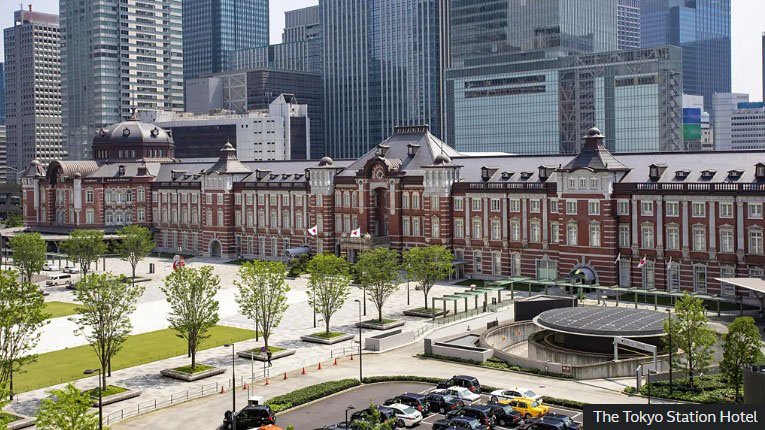
Tokyo’s early-20th-century station, built in a European architectural tradition with red brick and strict symmetry, is one of the city’s defining landmarks. The restoration was extensive: the building was reconstructed using archival drawings, preserving historical elements both outside and within.
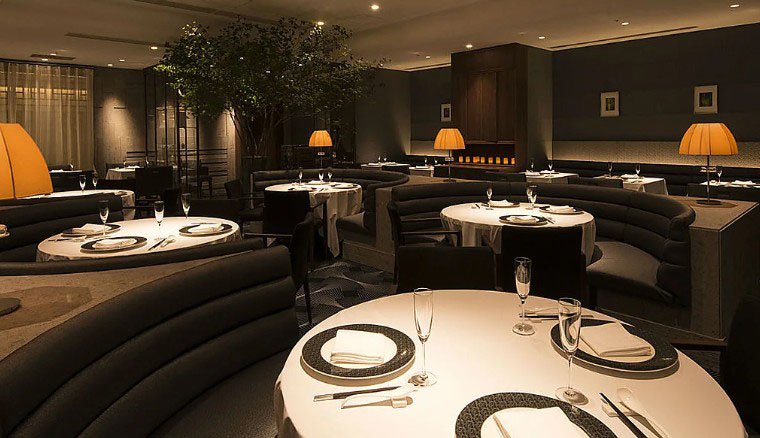
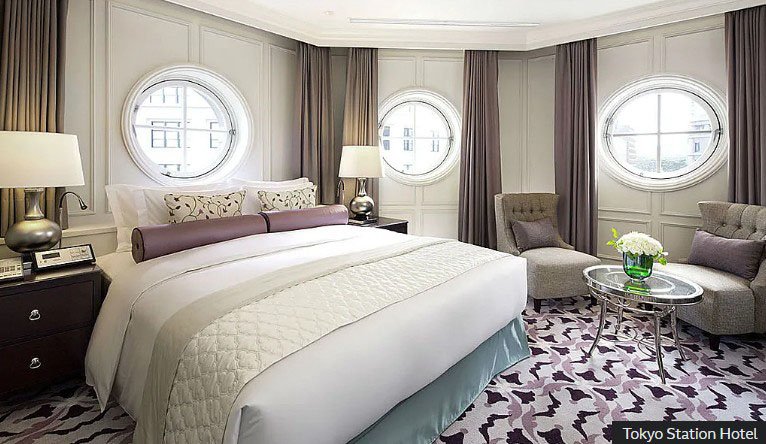
Tokyo Station Hotel occupies part of the complex and highlights the station’s importance not only as a transport hub but also as a cultural asset. Guests are offered rooms that combine classical interiors with Japanese restraint. BBC Travel notes that this is a place where the connection between past and present is felt especially strongly: for more than a century, business, cultural and tourist routes have intersected here.
St Louis: Union Station Hotel — the grandeur of America’s railway heritage
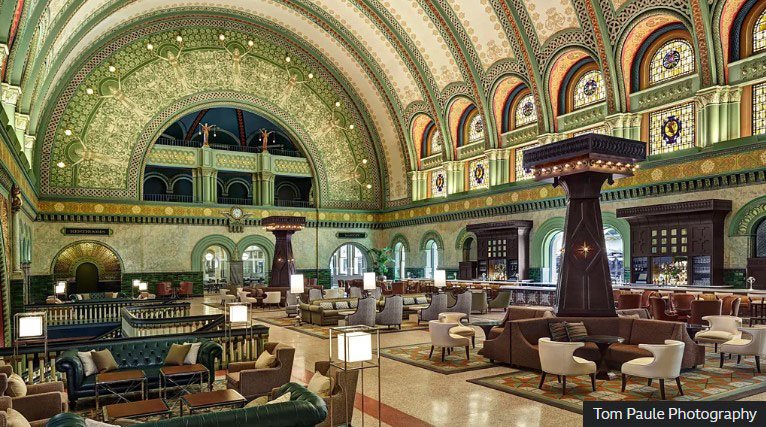
Opened in 1894, Union Station in St Louis was one of the largest and most impressive stations in the United States. Its grand hall with a soaring ceiling, massive arches, stained-glass windows and ornate decoration is considered a masterpiece of American architectural romanticism.
When rail traffic declined, the building was at risk of being lost, but it was converted into a hotel that preserved much of its original design. BBC Travel emphasizes that it is precisely this historical scale that makes the hotel exceptional: guests find themselves in a space where the long-distance travel era still feels alive. Today, the former station has become a vibrant urban hub with a hotel, restaurants and cultural venues.
Indianapolis: Crowne Plaza Union Station — a hotel where history remains alive
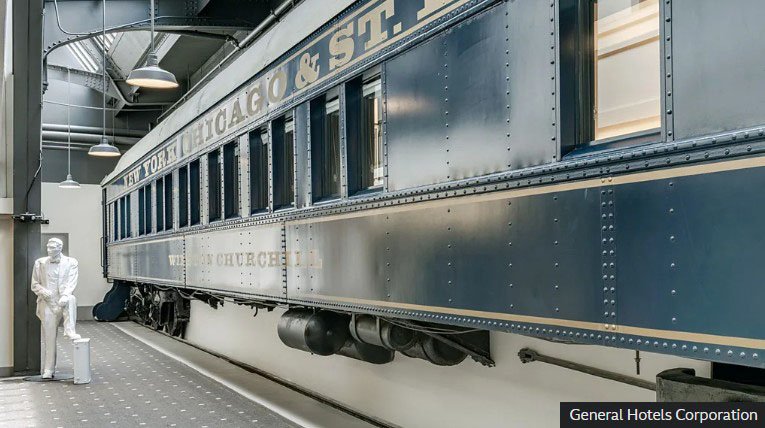
In Indianapolis, one of the oldest railway stations in the United States has also been transformed into a hotel complex. The main building retains its 19th-century architectural character, and a distinctive feature of the concept is a collection of historic Pullman railcars converted into fully equipped guest rooms.
BBC Travel highlights this element as the project’s defining uniqueness: guests can stay not just at a station but literally inside a train. This creates a rare form of accommodation where historical aesthetics become a functional part of the hotel experience.

Why railway stations make ideal hotel spaces
The growing popularity of station-hotels is far from accidental. Railway terminals are typically located in central districts, which immediately makes them attractive sites for hospitality projects. Their architectural value — spacious halls, soaring ceilings, decorative details and a scale impossible to reproduce in modern construction — gives hotels a distinctive atmosphere. Transforming a station into a hotel helps preserve a historic landmark and give it a new purpose instead of leaving it to decay.
For guests, such hotels offer a blend of contemporary comfort and the romance of earlier eras; for cities, they provide a way to protect key elements of their heritage. BBC Travel notes that this approach is becoming a global trend: old stations are increasingly finding new lives, retaining their character and becoming new points of attraction.
Read more:
Top Tourist Cities of 2025: New Euromonitor Ranking
UK weighs new visitor tax: proposed overnight fee aims to boost urban development and strengthen tourism sustainability
Aimbridge Hospitality expands its portfolio: renovated Voco Sandpiper All-Inclusive emerges as a flagship U.S. resort
Japan’s tourism boom accelerates: international arrivals in 2025 surpass pre-pandemic levels
Hotel Loyalty Programs in 2024–2026: How 675 Million Members Are Reshaping Global Hospitality