







read also
 Fines for Illegal Rentals in Spain Reach €800,000
 Australia’s Spring Auctions Rise but Remain Well Below 2025
 Number of Foreigners Holding Turkish Residence Permits Exceeds 1.27 Million
 Demand from Russian Tourists for Holidays in Georgia Rises by 20–25%
 Montenegro Property Buying Costs in 2026
 Four in Ten Companies Would Not Choose Slovakia
Thailand restricts entry for foreign nationals due to the conflict with Cambodia
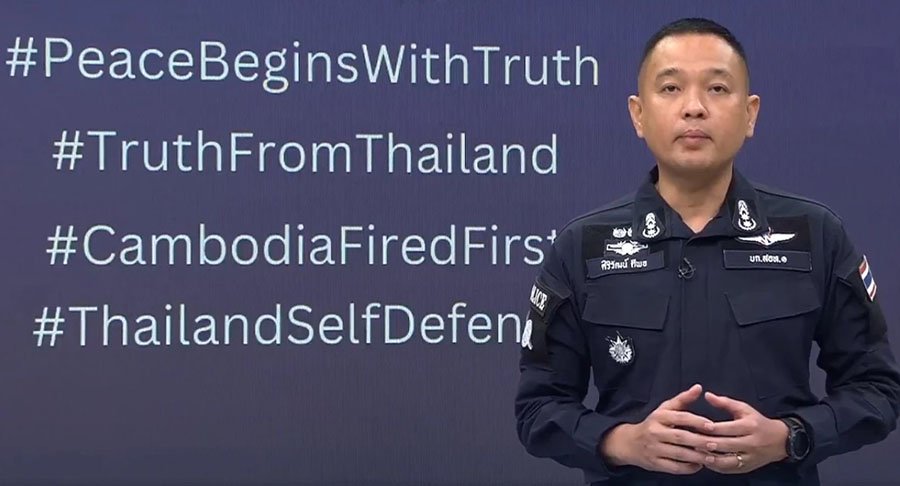
Photo:Nation Thailand
Thailand’s Immigration Bureau has tightened border checks amid the ongoing armed conflict with Cambodia. The restrictions are linked to concerns over possible mercenary activity, reports Nation Thailand, citing the Royal Thai Police. In early December, 206 foreign nationals were already denied entry to the country.
Security measures
Security agencies are applying provisions of the Immigration Act to assess the behaviour and risk profiles of incoming travellers. In cases of suspicion, entry is denied immediately. Over the first ten days of December, 78 Cambodian nationals were refused entry. The remaining 128 individuals are citizens of other countries but were classified as high-risk. Authorities believe they may have posed a threat to national security. Earlier, reports emerged about a possible presence of mercenaries in Nakhon Ratchasima province. Deputy spokesperson of the Royal Thai Police Siriwat Deepho said the information had been checked, but no signs of unusual movements or suspicious activity were found.
Security measures have been strengthened across all areas. Police have increased patrols, intensified preventive operations and stepped up crime prevention efforts, especially during the festive season, when the number of mass events rises. Particular attention is being paid to crowded locations, including event venues, tourist areas and other popular sites. In these areas, forward command centres have been deployed with the participation of relevant agencies to ensure constant monitoring of the situation and coordination of security forces. The holiday period is regarded by authorities as a more vulnerable time, as increased population movement and tourist activity create additional risks. Measures in the field of intelligence and analytical work have also been expanded.
Police have called on the public to assist in safeguarding national security. Citizens are advised to report suspicious objects, individuals or drones via the 24-hour hotlines 191 and 1599.
What is happening
The latest escalation is a continuation of a conflict that had already intensified over the summer. In July, fighting lasted about five days and resulted in the deaths of dozens of people. A ceasefire was then declared with international mediation. However, clashes resumed on December 7, with both sides accusing each other of breaking the truce.
Reuters reported on December 15 that fighting between Thailand and Cambodia is continuing at several locations along the 817-km land border, both in inland forested areas and in coastal provinces. According to official data, at least 38 people on both sides have been killed over eight days of fighting. More than 500,000 people have been forced to leave their homes.
Thailand has halted fuel transit through the Chong Mek border checkpoint with Laos amid fears that supplies are being diverted to Cambodian forces. Authorities are also considering restricting vessel movements in areas deemed dangerous by the military due to the risk of shelling. It is assumed that these measures will not affect shipments from other countries.
Cambodia has stated that Thai forces are using drones, heavy artillery and combat aircraft, including F-16 fighter jets, to strike targets in Siem Reap province, which is home to the country’s second-largest city and the Angkor Wat tourist complex. Officials in Phnom Penh claim that the intensity of air strikes and the use of cluster munitions by Thailand is increasing. Representatives of the kingdom say they are acting in response to shelling by Cambodian forces.
Advice for tourists
Talks between foreign ministers of Southeast Asian countries have been postponed until December 22 at Thailand’s request. Despite international efforts to achieve a ceasefire, including appeals by U.S. President Donald Trump, there are still no signs of de-escalation. In this context, tourists are advised to refrain from travelling to areas within at least 50 km of the Cambodia–Thailand border. Authorities do not rule out incidents beyond the immediate border zone. Foreign ministries in several countries recommend taking potential risks into account when planning trips to the kingdom.
Analysts at International Investment note that most resort destinations in the country remain outside the zone of direct impact of the conflict for now. At the same time, the risk of isolated incidents persists, including those related to tighter security measures, movement restrictions and disruptions to transport logistics. A prolonged escalation could have a negative effect on tourist flows, especially during the high season. A stricter border regime, a tense news background and guidance from foreign authorities may influence both current demand and the decisions of travellers and investors.