







read also
 Vietnam Mortgage Surge Pushes Homes Out of Reach
 Lithuanian Apartment Prices Accelerate Across Major Cities
 London Flats Lose Value Ahead of Leasehold Reform
 Construction of the Batumi–Sarpi Highway Begins in Georgia
 Baltic Property Investment Accelerates in 2026
 Hong Kong and Singapore Renew Their Expat Rivalry
Venezuela Faces Maximum Travel Warnings
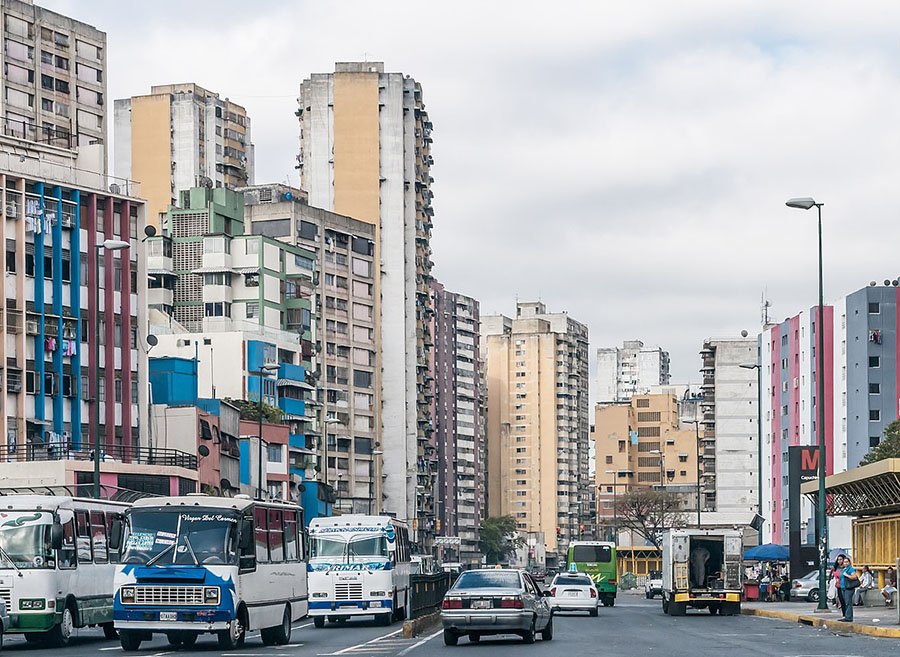
Photo: Wikimedia
In early January 2026, Venezuela was placed under the highest level of international travel warnings as military activity, airspace restrictions, and emergency aviation notices significantly escalated the country’s risk profile. Major global authorities now classify travel to Venezuela as extremely dangerous, citing rapidly deteriorating security conditions.
Military escalation triggers global response
Official advisories confirm that military strikes reported on January 3, 2026, near Caracas and several coastal regions prompted Venezuelan authorities to declare a state of external emergency. These developments triggered an immediate reassessment of safety conditions by foreign governments and aviation regulators worldwide.
Airspace restrictions and aviation alerts
Aviation authorities have issued emergency notices advising airlines to avoid Venezuelan airspace entirely. The alerts reference heightened risks associated with active air defense systems and unpredictable military movements. As a result, commercial flight availability has declined sharply, raising concerns over evacuation and transit options.
United States and United Kingdom advisories
The United States continues to enforce a Level 4 travel advisory for Venezuela, warning against all travel. The notice highlights the risk of arbitrary detention, the absence of emergency consular services, and the suspension of diplomatic operations. The United Kingdom has issued similar guidance, pointing to potential border closures and growing internal instability.
Canada and Australia urge shelter-in-place
Canadian and Australian authorities have advised their citizens currently in Venezuela to shelter in place, secure essential supplies, and prepare for sudden disruptions to exit routes. Both governments stress that departure options may become unavailable with little or no notice.
Impact on tourism and international business
The escalation has effectively frozen Venezuela’s tourism and international business sectors. Airlines are cancelling routes, insurers are reassessing coverage, and hospitality operators face widespread disruptions. Venezuela has once again been pushed outside the global travel and aviation network, reinforcing regional risk perceptions across Latin America.
As reported by International Investment experts, Venezuela’s January 2026 crisis illustrates how quickly geopolitical escalation can dismantle a country’s travel and aviation infrastructure. With airspace restrictions and limited diplomatic support, any travel or investment activity currently carries extreme and unmanageable risk.