










Russian New Year Travel Abroad: Georgia, Belarus and Thailand Lead Demand

Photo: RIA Novosti
Russian demand for overseas travel during the New Year holidays increased by 48% amid longer public holidays and a stronger ruble, RIA Novosti reports, citing data from the online hotel and apartment booking service Ostrovok. Belarus and Georgia, alongside Thailand, were among the most popular international destinations.
Most popular destinations
Ostrovok analyzed hotel and apartment bookings made by Russian travelers for the period from December 26 to January 11. The structure of demand indicates a shift toward destinations with relatively simple logistics, a clear price environment, and well-developed tourism infrastructure, as well as traditionally popular resort countries.
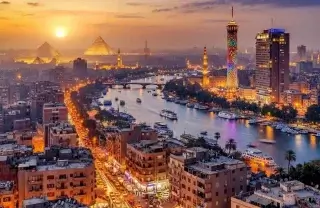
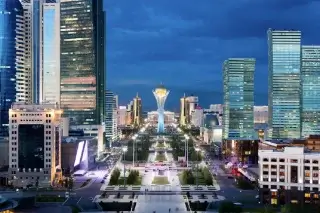
Among the most sought-after destinations were Belarus, Thailand, Turkey, the UAE, Uzbekistan, Georgia, Kazakhstan, Armenia, and China. However, demand dynamics varied significantly. The strongest growth was recorded in Kazakhstan, China, and the UAE, where the number of bookings more than doubled year on year.
Notable growth was also observed across several destinations in the near abroad: Armenia saw an increase of 83%, Uzbekistan 78%, and Georgia 70%. This trend reflects sustained interest in visa-free countries offering developed tourism infrastructure and the ability to combine urban, cultural, and gastronomic tourism with moderate spending.
Drivers of increased demand
According to the company, the rise in overseas travel is primarily linked to the calendar effect: in 2026, the New Year holidays were longer, allowing travelers to plan full-scale trips abroad. An additional factor was the strengthening of the ruble, which reduced effective accommodation costs and improved the affordability of international destinations for a broader audience.
Ostrovok data show that the average nightly rate in hotels in China, Italy, and Uzbekistan fell by 14% year on year. In Turkey, prices declined by 12%, while in the UAE and Thailand the decrease was around 10%. Lower accommodation costs became one of the factors behind the redistribution of demand in favor of overseas travel even during the peak holiday season.
Georgia’s momentum
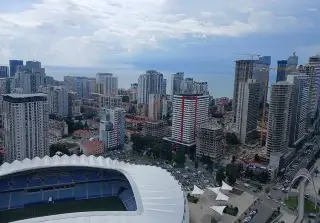
The 2026 New Year holidays marked a period of clear recovery for outbound tourism, during which destinations in the near abroad, including Georgia and Belarus, confidently competed with traditional resort markets. Based on booking dynamics, this interest retains potential for further growth under favorable currency and calendar conditions.
Growing interest in Georgia from international tourists is unfolding against the backdrop of expanding aviation and tourism infrastructure. Tbilisi and Batumi airports handled more than 6.34 million passengers as of December 14, 2025, reaching historic highs.
Passenger traffic at the capital’s airport exceeded 5 million for the first time, while the Adjara region surpassed the 1 million mark in October. On a year-on-year basis, traffic at Tbilisi Airport increased by 13%, and was 45% higher than pre-crisis levels. In Batumi, passenger numbers rose by 30% year on year and by 96% compared with 2019.
Total passenger traffic through Georgian airports exceeded 7.8 million in the first 11 months of 2025, up 14% from the previous year. The growth in aviation activity was accompanied by an increase in tourist visits and revenues from international travel, reinforcing tourism’s role as one of the key drivers of Georgia’s economy.
Hotel market
Against this backdrop, Georgia’s hotel sector continues to expand, including the luxury segment focused on enhanced service quality and broader opportunities for leisure and business activity. While the segment remains at an early stage of development, a significant share of such projects is concentrated in prestigious resort locations in Batumi, where the branded hotel complex Wyndham Grand Batumi Gonio stands out.
Such projects attract interest not only from travelers but also from investors due to professional management models, more transparent operating structures, and strong profitability and capitalization metrics.
Analysts at International Investment note that sanctions-related restrictions have significantly reshaped the geography of outbound tourism from Russia, strengthening the role of near-abroad destinations. This supports higher occupancy levels and reduces seasonal volatility, forming a more stable demand base. At the same time, strong tourist interest in Georgia is not entirely new, with comparable levels recorded in pre-pandemic periods. Nevertheless, the renewed surge in travel further enhances the investment appeal of hotel real estate in key tourist locations, particularly in professionally managed and branded segments.