







 Latvia’s Residence Permits for Real Estate to Be Abolished from September 15
 Egypt Prepares New Law for Property Developers
 Young Japanese Buyers Turn to 50-Year Mortgages
 Argentina Narrows Tourism Gap as Arrivals Rise
 Seattle Luxury Housing Loses Its Former Momentum
 The World’s Strongest Passports for Travel, Living and Investment
Rising Costs Reshape U.S. Travel
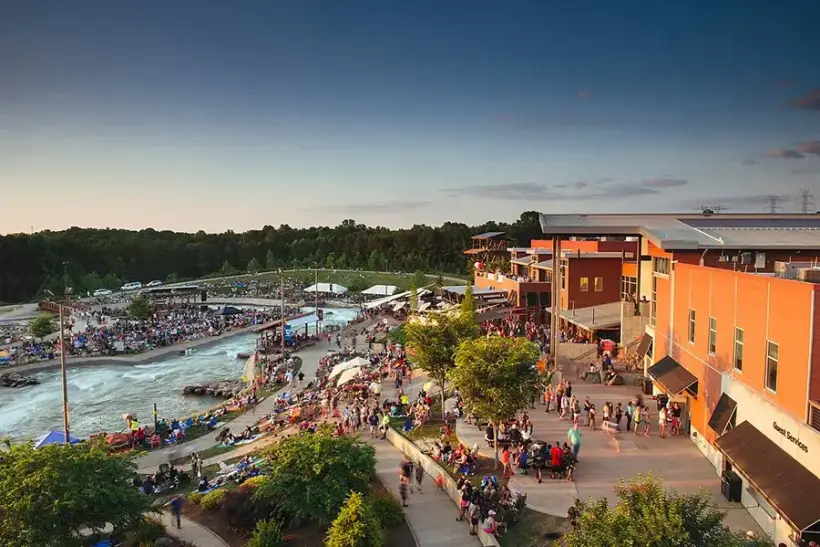
As 2026 begins, the U.S. travel market is undergoing a noticeable reset. Rising prices across flights, accommodation, and related services are changing how Americans think about vacations. Travel is becoming less impulsive and more deliberate, with value replacing frequency as the primary decision driver. From major coastal cities to inland destinations, tourism providers are adjusting to a landscape shaped by cost awareness and selective demand.
Airfares and hotels drive price pressure
One of the strongest forces behind this shift is airfare inflation. According to the U.S. Department of Transportation, domestic flight prices have climbed by nearly 10 percent compared with previous years, while international routes show similar increases. Fuel costs, labor shortages, and sustained demand are all contributing factors. For families and budget-conscious travelers, flying has become a more significant expense.
Hotel rates have followed the same trajectory. In high-demand cities such as New York, Los Angeles, and Chicago, room prices rose by 6–8 percent year on year, according to the U.S. Travel Association. This has pushed many travelers toward short-term rentals, hostels, or outdoor options such as national park lodging in search of better value.
Fewer trips with greater purpose
In response, Americans are taking fewer vacations but assigning more meaning to each one. Data from the U.S. Census Bureau suggests a roughly 5 percent decline in the number of domestic trips taken in 2026. Rather than frequent weekend breaks, travelers are prioritizing experiences that feel immersive and worthwhile, even if they occur less often.
Shifting away from crowded hotspots
Well-known destinations such as Orlando and Las Vegas may see softer growth as costs rise, particularly among family travelers. At the same time, demand is shifting toward quieter regions offering natural scenery, outdoor activities, and a slower pace. Areas like New York’s Finger Lakes and Colorado’s mountain retreats are gaining attention for delivering memorable experiences without the price pressure of major tourist hubs.
Travel preferences become polarized
Rising costs are also creating a clear split in travel behavior. Some travelers are leaning into premium experiences, choosing business-class flights, luxury resorts, and curated itineraries to maximize the impact of fewer trips. Others remain firmly in the budget segment, favoring economy travel, affordable cities, and domestic destinations. Cities such as Nashville and San Diego are benefiting from this balance, offering cultural appeal and accessibility at comparatively lower costs.
The renewed role of travel advisors
As pricing and regulations grow more complex, more Americans are relying on professional travel advisors. The U.S. Travel Association reports a 12 percent increase in the use of travel planners in 2026. Advisors help navigate fluctuating fares, accommodation availability, and evolving visa or health requirements, particularly for international travel, making them a valuable resource in a cost-sensitive environment.
A changing map of U.S. tourism
Despite higher costs, several U.S. cities are strengthening their appeal by positioning themselves as value-driven alternatives. Philadelphia and Austin are increasingly seen as substitutes for more expensive coastal hubs, offering culture, food, and attractions at a lower price point. Even in New York and Los Angeles, travelers are adapting by visiting during off-peak seasons or staying in less central neighborhoods.
What lies ahead for U.S. travel
The outlook for American tourism in 2026 is mixed but adaptive. While rising prices limit some demand, airlines and hotels are responding with bundled offers, flexible pricing, and loyalty incentives. Over time, the market is likely to favor deeper, more intentional travel experiences, as Americans focus spending on trips that deliver genuine value.
As International Investment experts report, escalating travel costs in 2026 are accelerating a shift toward value-focused tourism in the United States, rewarding destinations and service providers that can deliver meaningful experiences rather than volume-driven growth.