







 Turkey Is Losing Its Cheap-Holiday Advantage
 Development Is Rewriting Southeast Asia’s Historic Districts
 How Ukraine’s New-Build Housing Market Has Changed Over Four Years
 European Prime Rents Rise as Property Yields Turn Higher
 The Most Expensive Airlines in Europe in 2026
 Housing Prices in Italy Reach a Two-Year High
Tourist Tax in Europe 2026: New Rates
Which Cities Are Increasing Travel Levies
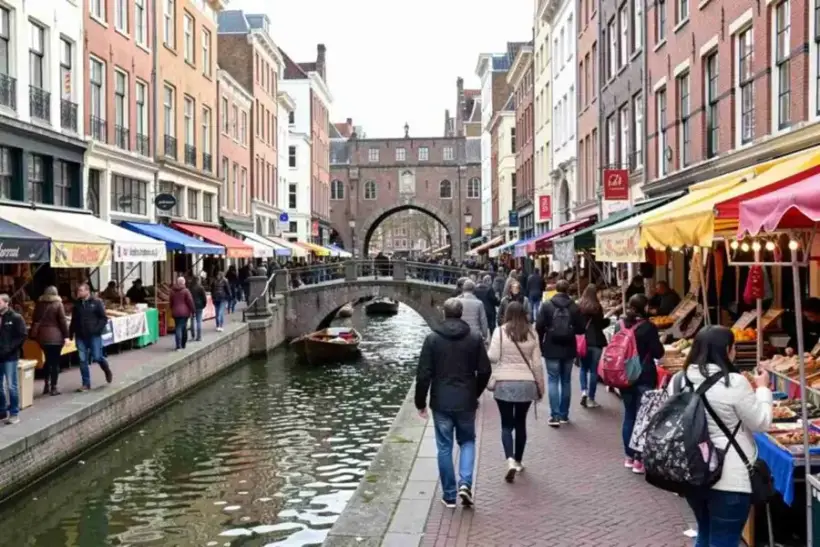
In 2026, Europe’s крупнейшие туристические направления are increasing the tax burden on travelers, Travel And Tour World reports. The rise in tourist tax affects Amsterdam, Venice, Rome, Paris, Berlin and other major destinations. The new rates directly impact the final cost of accommodation and are shaping a more structured model for financing urban infrastructure through visitor contributions.
Amsterdam, Venice and Rome: Higher Rates in Key Tourist Hubs
Amsterdam maintains one of the highest percentage-based tourist taxes in Europe — 12.5% of the accommodation price. The levy applies to all categories of lodging without exception. In addition, cruise passengers pay €15 for a day visit. A percentage-based system makes the final amount highly sensitive to seasonal price increases.
Venice is reinforcing its dual structure: the accommodation tax is combined with an entry fee for day visitors. In five-star hotels, the rate reaches €5 per night, and during peak periods the combined charges can climb to €15. The city aims to reduce pressure on its historic center while increasing municipal revenues.
Rome continues to raise its contributo di soggiorno. In 2026, five-star hotels charge €10 per person per night. Lower-category properties apply smaller rates, yet even budget stays noticeably increase the total travel budget.
Paris and Berlin: Complex and Percentage-Based Tax Models
Paris operates one of the most differentiated systems in Europe. The taxe de séjour varies by accommodation category, ranging from €15.60 per night in palace hotels to €2.60 in hostels. Campsites are also subject to the levy. The structure shifts more of the burden to the premium segment, but all travelers pay an additional charge regardless of accommodation type.
Berlin applies a 7.5% tax on the net accommodation price. There is no cap on the duration of stay, which means longer visits significantly increase total expenses. The model ties tax liability directly to room cost and widens the gap between budget and high-end segments.
Spain, Germany, Portugal and Central Europe: Regional Variations
Barcelona combines regional and municipal levies. In five-star hotels, the rate reaches €7.50 per night. The Balearic Islands apply an environmental tax with seasonal differentiation: up to €4 in high season, with a 50% reduction after the eighth night. This approach encourages longer stays.
Hamburg uses a tiered system linked to room price, while Frankfurt applies a flat €2 per night. Lisbon raises its levy to €4, Porto to €3, both with a cap on the number of taxable nights. Prague charges approximately €2 per night for stays of up to 60 days.
Vienna has announced phased increases from 3.2% to 5% in mid-2026 and to 8% in 2027. Edinburgh introduces a 5% levy on the first five nights starting July 2026, marking the first citywide tourist tax of this kind in the United Kingdom. Greece has replaced its former accommodation tax with a climate resilience fee ranging from €1.50 to €10 in high season, depending on hotel category.
Tourist Tax as a Market Regulation Tool
The rise of tourist taxes in Europe reflects cities’ efforts to offset pressure on infrastructure and cultural assets. Analysts at International Investment highlight the growing prevalence of percentage-based and combined levy models as a new standard in managing tourist flows. For travelers, this means factoring in the structure of the tax when calculating total costs rather than focusing solely on the base room rate.
In 2026, tourist tax has become a structural element of Europe’s tourism pricing policy and increasingly influences destination competitiveness.