







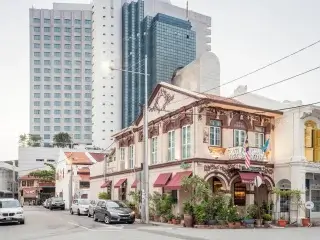
 Development Is Rewriting Southeast Asia’s Historic Districts
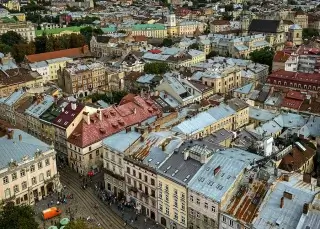 How Ukraine’s New-Build Housing Market Has Changed Over Four Years
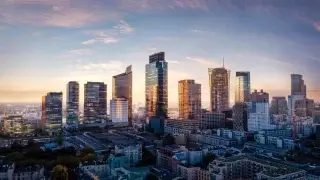 European Prime Rents Rise as Property Yields Turn Higher
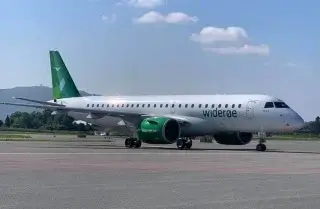 The Most Expensive Airlines in Europe in 2026
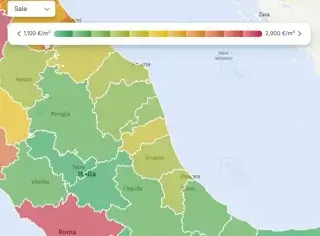 Housing Prices in Italy Reach a Two-Year High
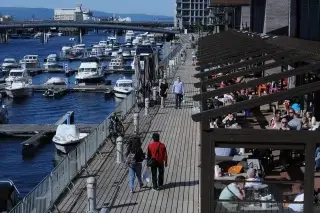 Travellers Increasingly Choose Cooler Scandinavia
Dubai Tightens Control Over War Posts
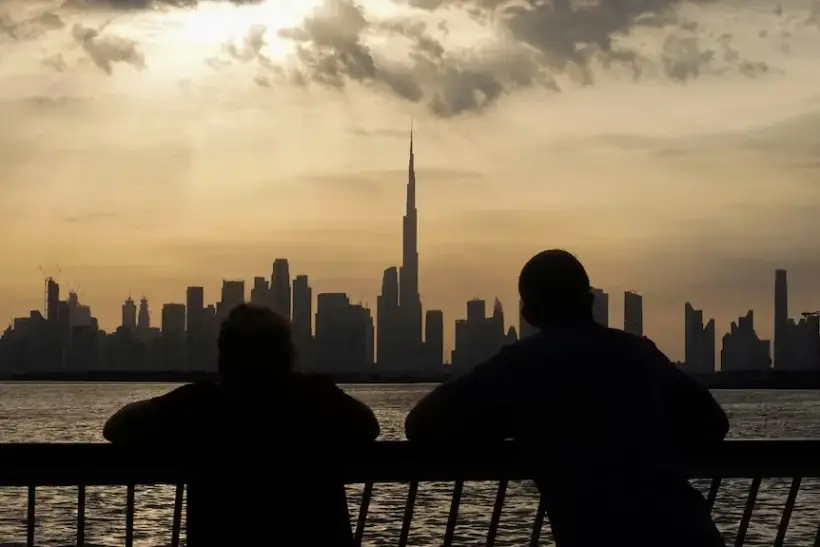
UAE restricts war-related content on social media
As the war continues and attacks spread across the Gulf, the UAE has sharply tightened control over how residents and content creators describe events online. Australia’s ABC reported that many Dubai-based influencers initially posted videos showing blasts, smoke and air defence activity, but much of that material later disappeared, while some prominent accounts shifted toward overtly supportive messages about the UAE state and military.
Why Dubai influencers stopped posting strike footage
The turning point came with a series of official warnings and arrests. On March 6, UAE Attorney-General Hamad Saif Al Shamsi warned people not to photograph, publish or circulate images and videos of projectile and shrapnel impact sites, saying such material and inaccurate information could trigger panic and undermine public safety. On March 14, authorities announced the arrest of 10 people of various nationalities for posting misleading and fabricated videos, and on March 15 they announced the arrest of another 25 for publishing false digital content that allegedly harmed national defence measures and glorified military aggression against the state.
How the UAE is shaping the wartime narrative
At the same time, the official messaging line has become more centralized. On March 17, the Emirates News Agency carried a Ministry of Defence statement saying sounds heard across the UAE were caused by successful interceptions of incoming Iranian missiles and drones, and that the public danger stemmed from falling debris after those interceptions. In that environment, user-generated videos or descriptions that diverge from the official version can carry legal risk. ABC’s reporting framed the rapid disappearance of early influencer footage as part of that wider pressure to stay within the state-approved narrative.
War censorship is colliding with Dubai’s safe-haven brand
For Dubai, the information crackdown is not just about security. It is also about protecting the emirate’s economic identity. The Wall Street Journal reported that Dubai has paired tighter media controls with a glossy campaign meant to preserve its image as a secure global hub, even as strikes caused casualties, property damage and temporary airport disruptions. The Guardian separately reported that the conflict has already triggered an outflow of some expats and tourists, while international banks moved staff out or switched them to remote work. That matters because Dubai’s model depends heavily on tourism, aviation, foreign talent and real estate demand.
Why the issue matters for real estate and expat demand
The story is especially sensitive because of the UAE’s demographic and business structure. According to the UAE Ministry of Foreign Affairs, the expatriate community outnumbers UAE nationals, while the Federal Competitiveness and Statistics Centre puts the country’s total population at 11.29 million in 2024. That means the UAE economy, and Dubai in particular, relies heavily on the confidence of foreign professionals, investors, tourists and tenants. Any sustained shift in perceptions of safety can feed directly into weaker property demand, softer rentals, lower hotel occupancy and reduced business mobility.
Influencer rules in the UAE now add another layer of control
Another important factor is that the UAE introduced a mandatory Advertiser Permit from February 1, 2026 for individuals publishing advertising or promotional content on social media. The UAE Media Council says the rule applies to residents and visiting creators engaged in promotional activity. That does not ban ordinary personal posting, but it does deepen institutional oversight of the commercial creator economy. In wartime conditions, it also increases the incentive for self-censorship among influencers whose residence, access and commercial income depend on regulatory compliance.
Qatar and Kuwait are also tightening wartime online controls
The UAE is not alone in the Gulf. Qatar’s state news agency QNA said on March 9 that the Interior Ministry had detained 313 people for filming and circulating unauthorized videos, rumours and misleading information linked to the attacks and official instructions. In Kuwait, authorities have also warned citizens and expatriates against publishing or circulating content online related to wars, military operations, missiles or material that could incite sectarianism or panic. Together, those moves suggest Gulf states increasingly view wartime user-generated content as a matter of internal security rather than just media freedom.
As International Investment experts report, the Dubai influencer story shows that the current crisis for the UAE is no longer only military or logistical. It is also a stress test for an economic model built on perceived safety, business relocation, tourism flows and real estate confidence. The more tightly the state manages the public narrative, the more important it becomes for investors to distinguish between official image management and actual on-the-ground risk.
Photo: Reuters, Amr Alfiky