













UAE Backs Banks as War Drags On
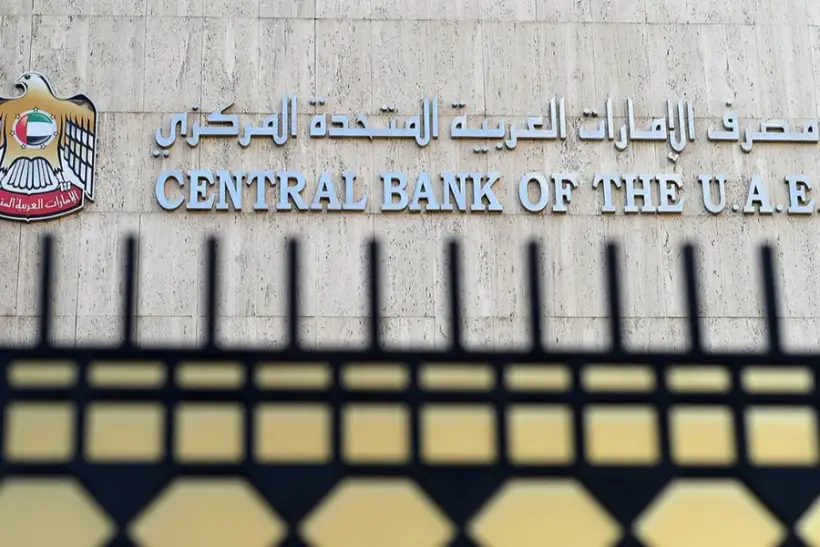
UAE central bank unveils bank support package
The Central Bank of the UAE on March 18 rolled out an emergency support package for the country’s banking sector as the war with Iran continues to unsettle regional markets. In its official statement, the regulator said its board approved a proactive financial institution resilience package backed by more than AED 1 trillion in central bank assets. The bank also said the current extraordinary circumstances had not caused any material damage to the health of the banking sector or to the country’s payment systems.
What the UAE banking support package includes
The package is built around five policy pillars. First, banks will gain enhanced access to reserve balances, with usage allowed up to 30% of the cash reserve requirement, while term liquidity facilities will be available in both dirhams and US dollars. Second, the central bank is offering temporary relief on liquidity and stable funding ratios. Third, it is temporarily releasing the Countercyclical Capital Buffer and the Capital Conservation Buffer. Fourth, banks will be given flexibility to postpone the classification of individual and corporate loans for customers affected by the exceptional circumstances. Fifth, the central bank said lenders should continue to provide financing services to support customers and the wider economy.
UAE bank liquidity and financial buffers remain strong
The central bank used the announcement to underline the scale of the sector’s existing buffers. It said the UAE banking system totals roughly AED 5.4 trillion. Aggregate liquidity held by banks at the central bank, combined with net eligible assets for conventional monetary operations, has reached close to AED 920 billion, including more than AED 400 billion in reserve balances. The regulator also said it oversees record foreign exchange reserves above AED 1 trillion and a monetary base cover ratio of 119%. Those numbers explain why the authorities are presenting the package as a resilience tool rather than a rescue.
UAE banking sector entered the crisis from a position of strength
Earlier, on March 5, Governor Khaled Mohamed Balama said the UAE banking and financial sector remained resilient and fully operational nationwide despite regional tensions. At that stage, the central bank said the capital adequacy ratio stood at 17% and the liquidity coverage ratio was above 146.6%, both well above regulatory thresholds. It also put total banking and financial sector assets at more than AED 5.42 trillion. Those metrics suggest the latest package is designed as a precautionary measure aimed at preserving confidence and credit transmission rather than responding to a full-blown banking shock.
Why the UAE moved now to protect lenders
The move comes as financial firms in the UAE have been stepping up contingency plans. Bloomberg reported earlier this month that Goldman Sachs and Citigroup told staff in Dubai to stay away from offices, while separate reporting said a wider group of international lenders had shifted employees to remote work as threats and attacks linked to the Iran war intensified. Business continuity measures around Dubai’s main financial district added to the sense that authorities wanted to make funding access and operational continuity unmistakably clear.
What the support package means for the UAE economy
The significance of the package lies in its combination of liquidity support, funding relief, capital buffer release and loan classification flexibility. Together, those measures reduce the risk that banks respond to geopolitical stress by sharply tightening credit to companies and households. The central bank’s explicit call for lenders to keep financing customers shows that Abu Dhabi is trying to shield the real economy from a financial tightening cycle even as the regional security environment deteriorates.
As International Investment experts report, the key point is that the UAE authorities are moving before banking stress becomes systemic: the sector is entering a period of regional turbulence with strong capital, deep liquidity and large reserves, which gives policymakers room to protect confidence, funding conditions and credit flows at the same time.