







 Turkey Is Losing Its Cheap-Holiday Advantage
 Development Is Rewriting Southeast Asia’s Historic Districts
 How Ukraine’s New-Build Housing Market Has Changed Over Four Years
 European Prime Rents Rise as Property Yields Turn Higher
 The Most Expensive Airlines in Europe in 2026
 Housing Prices in Italy Reach a Two-Year High
The launch of the EU’s EES postponed until September 2026
Biometric border control delayed over risks of summer travel disruptions
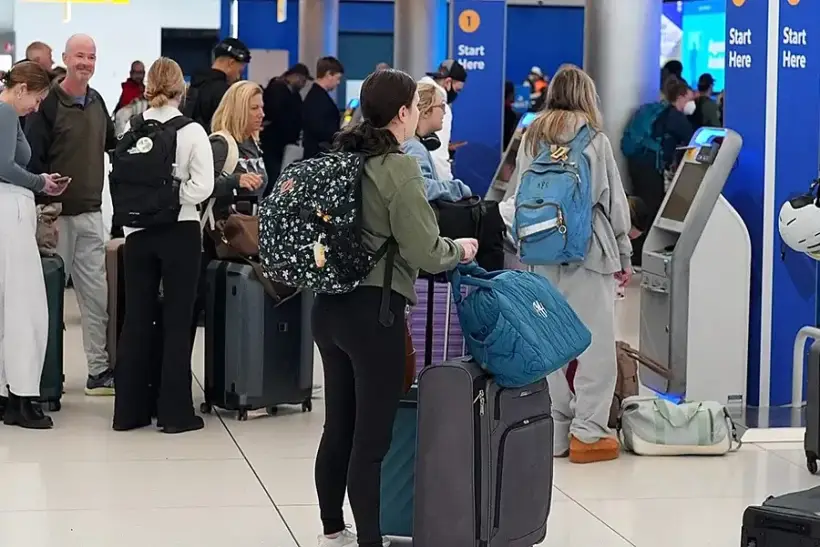
The European Commission has postponed the full launch of the EU’s Entry/Exit System (EES) until September 2026 due to concerns about large-scale delays during the summer travel season. The biometric border control system has been gradually rolled out since October 2025 and has already led to queues and operational disruptions, Euronews reports.
How EES is being implemented
The phased rollout was initially expected to run from October 2025 through April 2026. The system has been gradually introduced at airports and seaports across the European Union and has also started operating at land borders. Travellers from non-EU countries are required to register their fingerprints and have their photograph taken at dedicated kiosks before passing through border control.
At the outset, the system covered around 10% of arrivals from third countries. From 9 January, the share increased to 35%, and EES was introduced at dozens more border crossing points. Representatives of France’s largest airports had earlier called for a suspension of the rollout, citing staff shortages in border control and unresolved technical issues.
Disruptions and border delays
The expansion has been accompanied by technical glitches and significant delays. Airline and ferry passengers reported long queues, and in some cases travellers missed their departing flights. According to Airports Council International (ACI) Europe, the introduction of EES increased border processing times by up to 70%, with waiting times reaching three hours during peak periods.
In December, Lisbon Airport suspended the system for three months following identified shortcomings in border control operations. On certain days, waiting times reportedly reached seven hours.
ACI Europe Director General Olivier Jankovec warned that further expansion of EES could lead to more serious congestion and systemic disruptions affecting airports and airlines. He also pointed to potential security risks linked to overstretched infrastructure.
Industry association ABTA urged border authorities to make greater use of contingency measures, including temporarily suspending the system or limiting the volume of checks to manage passenger flows. ABTA Chief Executive Mark Tanzer said some of the problems could have been mitigated through more flexible use of these tools.
Flexible regime and the European Commission’s position
The full launch of EES has now been moved to September 2026. The European Commission stated that implementing a system of this scale requires additional preparation by member states. EU spokesperson Markus Lammert said extending the flexible approach over the summer would allow countries to respond more effectively to potential difficulties and reduce the risk of disruption during the peak holiday period.
The decision gives national authorities greater leeway in managing the transition to mandatory biometric data collection, depending on the readiness of individual airports and ports. In the coming months, manual passport stamping may continue at certain border points alongside the digital system.
Analysts at International Investment note that the rollout of EES has already been delayed for several years. The latest postponement means the shift to mandatory biometric border control at the EU’s external frontiers will take longer than originally planned. As a result, the next initiative — ETIAS — which will affect additional categories of travellers, may also be pushed back.