







 Latvia’s Residence Permits for Real Estate to Be Abolished from September 15
 Egypt Prepares New Law for Property Developers
 Young Japanese Buyers Turn to 50-Year Mortgages
 Argentina Narrows Tourism Gap as Arrivals Rise
 Seattle Luxury Housing Loses Its Former Momentum
 The World’s Strongest Passports for Travel, Living and Investment
New Zealand to Introduce Fees for Foreign Tourists
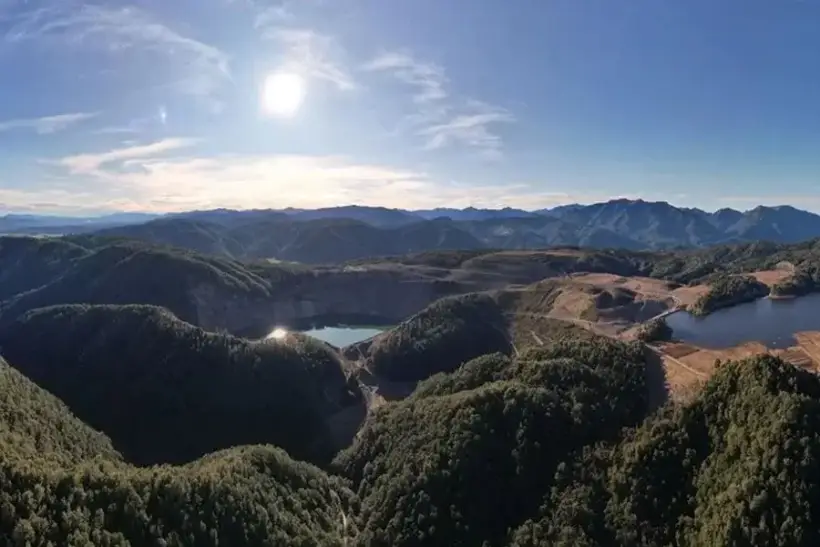
The government of New Zealand is advancing a reform that will allow charges for foreign tourists visiting some of the country’s most popular natural attractions. The bill has already been introduced in Parliament, with authorities expecting to raise around NZ$60 million a year (about $36 million), Bloomberg reports.
Investment in New Zealand’s Tourism Sector
New Zealand’s Conservation Minister Tama Potaka said the reform is the most significant overhaul in nearly 40 years. Tourism on conservation land generates about NZ$5.3 billion (around $3.1 billion) annually and supports jobs across the country. More than 1,600 businesses operate on or near these areas, contributing to regional economies and local employment.
He noted that outdated rules and slow administrative processes have created unnecessary costs and delays. The reform is expected to reduce bureaucracy, speed up approvals, and increase investment in biodiversity protection, walking tracks, backcountry huts, and visitor infrastructure.
The minister also said the changes would simplify concession approvals by reducing excessive regulations and introducing a list of pre-approved activities. The government estimates that 30 to 40 percent of applications will no longer require individual processing. A new National Conservation Policy is also planned to replace overlapping documents and create a more consistent regulatory framework.
Which Sites May Become Charged
The Conservation Amendment Bill, already introduced in Parliament, would enable visitor charges at a small number of highly visited natural sites. Authorities emphasize that the fees would apply only to international visitors, while access for New Zealand citizens would remain free. Previously, the government had identified several iconic locations where charges could be introduced, including Milford Sound, the Tongariro Alpine Crossing, and Cathedral Cove.
The government expects the system to generate about NZ$60 million per year (around $36 million). The revenue would be reinvested into nature conservation, biodiversity protection, heritage sites, walking tracks, huts, and visitor infrastructure.
Potaka said New Zealanders already pay for access to national parks and tourist sites abroad, and the changes would ensure a fair contribution from international visitors. Proposed fees are still under discussion but may range from NZ$20 to NZ$40 ($12–24) per visit, reaching up to NZ$50 ($30) in some locations. Officials say these levels are broadly in line with charges at similar destinations across the Pacific region. Comparable systems already exist in countries such as India, for access to the Taj Mahal, and Peru, for Machu Picchu.
Impact on New Zealand Tourism
Analysts at International Investment say the proposed model reflects a broader shift toward more commercially driven management of conservation land. On one hand, it provides stable funding for infrastructure and reduces pressure on the public budget amid growing tourist numbers. On the other, it increases reliance on tourism revenues, potentially making the system more sensitive to demand fluctuations.
At the same time, experts note that tourism in New Zealand is largely oriented toward higher-spending international travelers, for whom additional charges of a few dozen dollars are unlikely to be a decisive factor when choosing a destination. In this context, the impact on overall visitor numbers is expected to be limited.
The key challenge for the reform will be balancing fee levels with maintaining New Zealand’s appeal as a premium travel destination. Moderate charges could provide a sustainable funding source for conservation without significantly affecting demand, while higher fees may start to influence travel patterns.