







read also
 Australia’s Spring Auctions Rise but Remain Well Below 2025
 Number of Foreigners Holding Turkish Residence Permits Exceeds 1.27 Million
 Demand from Russian Tourists for Holidays in Georgia Rises by 20–25%
 Montenegro Property Buying Costs in 2026
 Four in Ten Companies Would Not Choose Slovakia
 Gulf Countries Prepare Unified Tourist Visa
Turkish Inflation Slows but Misses Forecast
Turkey’s Inflation Continues to Ease, Exceeds Expectations
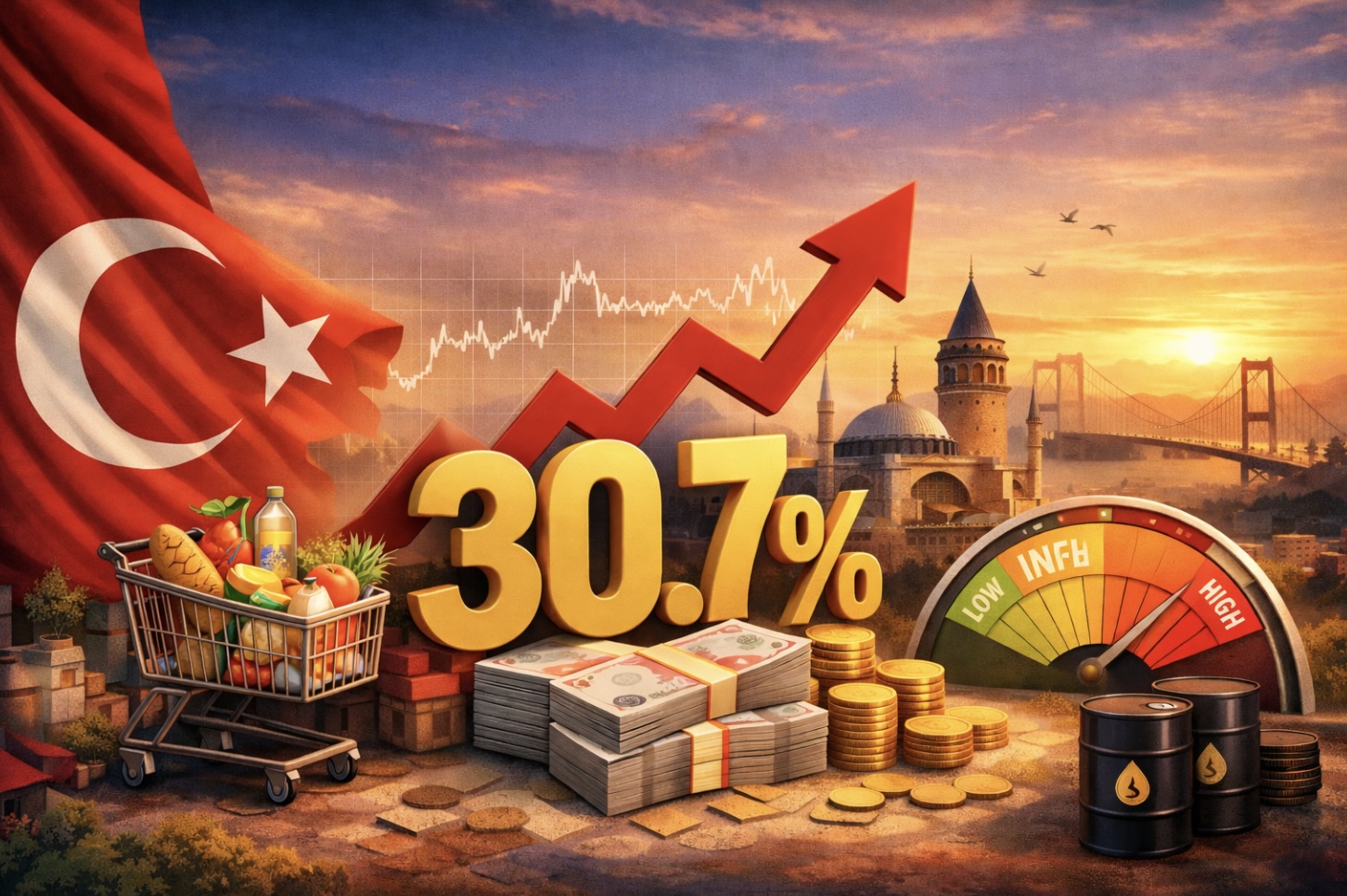
Annual inflation in Turkey eased to around 30.7–30.9% in January 2026, extending the downward trend from previous months but remaining higher than market forecasts. Official consumer price index (CPI) data indicates that while inflation has moderated from its peak levels seen in 2024 and 2025, price growth is still elevated compared with expectations of economists and investors.
Analysts emphasize that although inflation continues to slow, it is doing so at a slower pace than anticipated, reflecting ongoing price pressures in key categories such as food, services, and utilities. This persistent inflation dynamic is influenced by strong domestic demand and external factors, including exchange rate movements and import costs.
Drivers of Price Trends and Turkey Market Expectations
Throughout 2025, inflation in Turkey gradually declined from levels above 35%, helped by slowing price growth in several consumer categories. However, the pace of deceleration remains below market expectations, leading to caution among investors and market participants.
Professional forecasts and household inflation expectations continue to diverge, with households anticipating higher future price levels than market professionals and firms, reflecting lingering skepticism about the central bank’s ability to fully tame inflation.
Turkey's Economic Impact and Monetary Policy Outlook
Economists note that slower-than-expected inflation deceleration could place added pressure on the Turkish lira and real incomes, influencing future interest rate decisions. The central bank and government face the challenge of balancing growth support with inflation containment, a key factor for macroeconomic stability in the coming quarters.
As reported by experts at International Investment, the slower pace of inflation reduction than forecast highlights persistent structural challenges in Turkey’s economy and underscores the need for consistent, transparent policy measures to rebuild investor confidence and stabilize consumer prices. Turkey’s slower-than-expected disinflation continues to pose structural risks for long-term investments, particularly in real estate. For foreign investors, persistently high inflation combined with currency volatility effectively results in the depreciation of property assets in hard-currency terms, even when nominal prices rise in Turkish lira. This dynamic erodes real returns, complicates capital appreciation forecasts, and reduces the attractiveness of the Turkish property market for investors focused on value preservation and predictable yields.