







 Vietnam Mortgage Surge Pushes Homes Out of Reach
 Lithuanian Apartment Prices Accelerate Across Major Cities
 London Flats Lose Value Ahead of Leasehold Reform
 Construction of the Batumi–Sarpi Highway Begins in Georgia
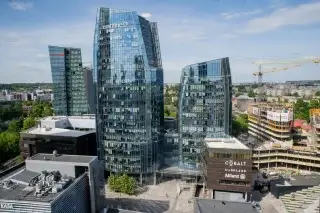 Baltic Property Investment Accelerates in 2026
 Hong Kong and Singapore Renew Their Expat Rivalry
Turkey’s Property Market Faces a Tax Shock

Municipal valuations surge as real prices stagnate
Homeowners across Turkey are facing a sharp increase in property taxes in 2026, triggered by a dramatic revision of municipal valuation benchmarks known as rayiç bedel. In many cases, these official assessments have tripled within a single year, significantly raising annual tax bills. The surge comes at a time when inflation-adjusted housing prices are struggling to grow, creating a striking disconnect between fiscal pressure and real market performance.
Triple-digit tax hikes hit urban homeowners
Reports from major cities, particularly Istanbul, show that property tax liabilities have risen by as much as 200 percent following the reassessment of official values. Industry experts note that such increases are now widespread rather than exceptional. The reassessed values form the base for taxation and have amplified the financial burden on households without any corresponding rise in disposable income.
Landowners have been especially affected. In Turkey, land is taxed at significantly higher rates than residential buildings, and plots with zoning rights but no construction activity are subject to even harsher treatment. As a result, owners of undeveloped land have seen some of the steepest increases in tax obligations.
Higher valuations slow down property transactions
The impact of inflated municipal values extends beyond annual taxes and into the transaction market. Title deed transfer fees are calculated using these official valuations, pushing up the cost of buying and selling property. Market participants report that in some districts, the gap between declared transaction prices and official values has narrowed sharply, discouraging deals and slowing market turnover.
Legal exemptions soften the blow for some owners
Despite the broad-based increases, Turkish law continues to shield certain groups from property tax. Owners of a single residence below a defined size threshold remain exempt if they belong to specific social categories. While this provides relief for primary homeowners, it offers no protection for investors or landholders, who now face significantly higher carrying costs.
Real housing prices remain under pressure
The tax shock contrasts sharply with underlying price dynamics. Market data indicate that while nominal prices continue to rise, real housing values adjusted for inflation remain flat or negative across much of the country. This trend undermines the investment case for residential property and places additional strain on owners already dealing with higher taxes.
Ankara stands out as an exception, where strong demand has supported modest real price growth. In contrast, Istanbul and Izmir have recorded real declines, highlighting a shift in demand patterns and regional performance.
Demand persists but liquidity weakens
Housing demand indicators suggest buyers have not exited the market entirely. Interest in purchasing homes has risen modestly, yet the average time needed to sell a property has increased nationwide, signalling reduced liquidity. Istanbul remains comparatively resilient, benefiting from scale and diversified demand, but even there the pace of transactions has slowed.
Conclusion
As experts at International Investment report, Turkey’s property market is now caught between rising fiscal pressure and stagnating real asset values. This imbalance is likely to weigh on investor sentiment and market liquidity in the near term, forcing a reassessment of property ownership costs and long-term returns across the country.