













Rising US beef prices signal broader food inflation
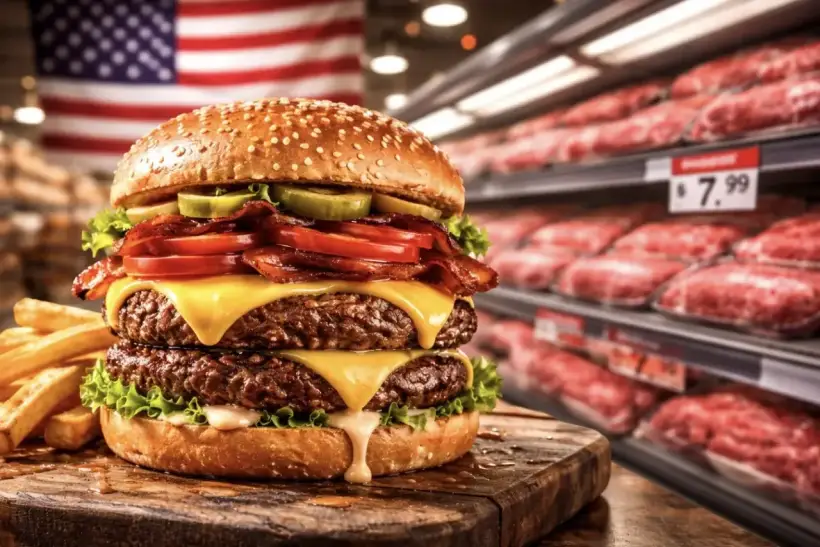
US beef prices outpace overall inflation in 2026
Rising beef prices in the United States are increasingly feeding into the cost of everyday food items, including cheeseburgers, offering an early signal of broader food inflation pressures. A Bloomberg Opinion column published April 11 argues that the current surge is not temporary but reflects structural issues in the cattle industry.
Beef and veal prices have climbed about 15% over the past year as of January 2026, outpacing the broader consumer price index and making beef one of the fastest-rising items in the grocery basket.
Market data supports the trend, with beef prices up roughly 12–13% year over year as of April 2026, highlighting persistent upward pressure.
Shrinking cattle herd tightens supply
A central driver of higher prices is the shrinking US cattle herd, which has fallen to its lowest level since the early 1950s.
The decline reflects years of drought, rising feed costs and higher borrowing expenses, which have made cattle farming less profitable. Ranchers responded by sending more animals to slaughter instead of rebuilding herds, boosting short-term supply but deepening long-term shortages.
The US Department of Agriculture projects beef production will decline to about 25.8 billion pounds in 2026, reinforcing the supply constraint.
Cheeseburgers highlight the cost pressure
Beef plays a dominant role in the cost structure of widely consumed foods such as cheeseburgers. Data shows that ground beef accounts for the largest share of the cost of a homemade burger, making it the main driver of price increases.
In early 2026, the average retail price for ground beef reached about $4.86 per pound, significantly higher than levels a decade earlier.
This means that even modest increases in beef prices quickly translate into higher menu prices at restaurants and higher grocery bills for consumers.
Demand remains resilient despite rising prices
Despite higher prices, demand for beef remains strong. The US Department of Agriculture expects per capita beef consumption in 2026 to reach its highest level in more than 15 years.
Consumers are adjusting by shifting toward cheaper cuts or processed products rather than abandoning beef altogether, which sustains demand and supports higher prices.
Why prices may keep rising
The structural nature of the supply shortage suggests that relief will be slow. Rebuilding the cattle herd takes time, typically two to three years before additional animals reach the market.
At the same time, total beef supply is expected to decline further. Forecasts indicate US beef supply could drop by about 2.5% in 2026, tightening the market even more.
This combination of constrained supply and resilient demand creates conditions for continued price increases.
Implications for consumers and the economy
Higher beef prices have broader economic implications. Food accounts for a significant share of household spending, and rising costs in key categories can reinforce inflation even if other prices stabilize.
Cheeseburgers and similar staple items are becoming a visible indicator of underlying cost pressures in the food system, signaling that inflation risks remain embedded in supply chains.
As International Investment experts report, the surge in beef prices reflects structural supply constraints rather than a temporary spike. This suggests that food inflation could remain elevated for several years, with everyday items such as burgers acting as a proxy for deeper shifts in agricultural markets.
FAQ on rising beef prices
Why are beef prices rising faster than inflation?
Because supply is shrinking due to a smaller cattle herd while demand remains strong.
How much have beef prices increased?
Beef and veal prices rose about 15% over the past year as of early 2026.
Why are cheeseburgers used as an indicator?
Because beef is the largest cost component, making burger prices highly sensitive to changes in meat prices.
Will prices fall soon?
Unlikely in the near term, as rebuilding cattle herds takes several years.
What does this mean for inflation?
Rising food prices can sustain overall inflation and impact consumer purchasing power.