







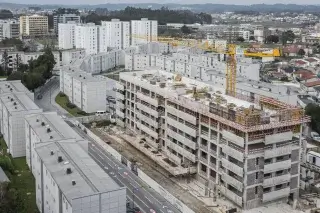





US Home Sales Freeze Again
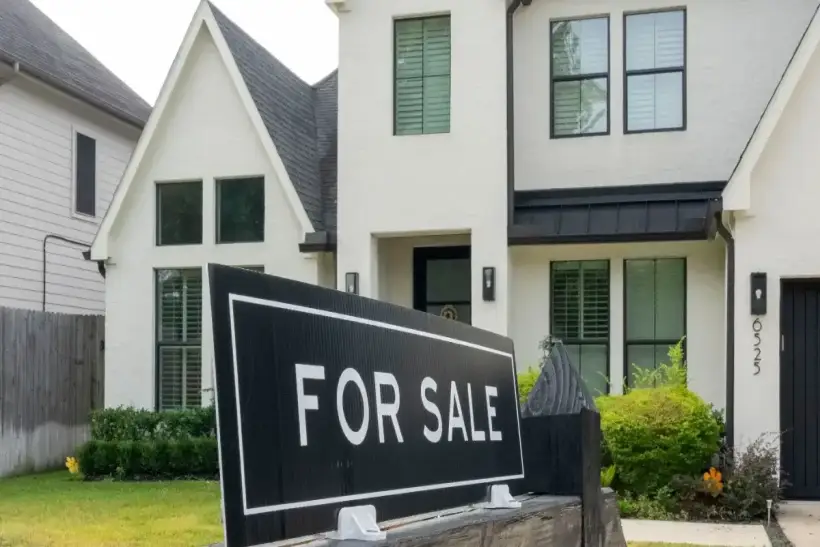
US existing-home sales fell in June even as buyers had more properties to choose from. Record prices, mortgage rates above 6% and weak affordability are keeping many households out of the market, turning housing into a frozen market rather than a collapsing one: sellers are reluctant to cut prices sharply, while buyers are unwilling to take on expensive debt.
US home sales fell again
The US existing-home market ended June weaker than expected. Sales of existing homes fell 2.4% from May to a seasonally adjusted annual rate of 4.09 million. From a year earlier, sales were up 2.8%, but the level of activity remains low for the world’s largest housing market. The National Association of Realtors’ measure includes previously owned single-family homes, condominiums and co-operative housing.
The weak result matters because spring is normally the most important selling season. Families try to complete transactions before the school year, and sellers tend to list more homes. In 2026, that seasonal lift was not enough: buyers saw more available properties, but not enough relief in the cost of ownership.
A record price became the main barrier
The median existing-home price reached $440,600, a record high. The price was 1.8% higher than a year earlier, extending a long run of annual gains. For homeowners, rising prices support household wealth. For buyers, especially first-time buyers, they widen the gap between incomes and the cost of ownership.
The problem is not only the purchase price. Buyers also face a down payment, mortgage interest, insurance, property taxes, maintenance, utilities and closing costs. Even a modest 1.8% annual increase becomes painful when it comes on top of mortgage rates above 6% and a high price base after the sharp appreciation of previous years.
Mortgage rates keep the market slow
Mortgage rates remain the key constraint on demand. Freddie Mac said the average 30-year fixed-rate mortgage was 6.49% as of June 25, 2026, up from 6.47% a week earlier. A year earlier, the rate was higher at 6.77%, but the current level is still too high to restore sales momentum quickly. The average 15-year fixed-rate mortgage stood at 5.84%.
A fixed-rate mortgage is a loan whose interest rate does not change over the life of the contract. In the US, this product is especially important because many owners locked in mortgages at 3% to 4% during the low-rate period and are now reluctant to sell and buy again at a much higher rate. This lock-in effect reduces normal market mobility: owners hesitate to list, and buyers cannot stretch their budgets.
Inventory rose, but balance has not returned
There were about 1.56 million unsold homes on the market, equal to 4.6 months of supply at the current sales pace. This indicator shows how long it would take to sell the existing inventory if no new listings were added. A balanced market is often associated with roughly five to six months of supply, so the June level is closer to normal but still does not signal excess housing.
Higher inventory changes the nature of the problem. In 2021–2023, weak sales were often explained mainly by a shortage of homes. In 2026, selection has improved, yet sales are still falling. That shows the market is no longer constrained only by supply; affordability has become the binding limit. Buyers are not stepping back because there are no homes. They are stepping back because monthly payments remain too high.
First-time buyers remain under pressure
First-time buyers made up 33% of purchases in June. That is better than in some months of the weak market, but still below the level usually needed for a sustainable cycle of demand. First-time buyers are more exposed to mortgage rates and down-payment requirements because they do not have equity from a previous home sale.
For this group, a $440,600 median price creates a high entry threshold. At a mortgage rate around 6.5%, even a small change in price or rate sharply changes the monthly payment. Younger households and renters must choose between buying a smaller home, moving to a cheaper market, delaying a purchase or remaining tenants. That supports rental demand and slows the transition into ownership.
New homes compete with the resale market
The new-home market is also soft. The US Census Bureau and the Department of Housing and Urban Development reported that sales of new single-family houses in May 2026 ran at a seasonally adjusted annual rate of 580,000. New homes do not fully substitute for existing homes, but they give buyers an alternative, especially where builders offer price cuts, mortgage-rate buydowns or help with closing costs.
The difference between new and existing homes matters for prices. In the resale market, sellers often anchor to past transactions and may be unwilling to cut if they have a cheap existing mortgage and no urgent need to move. Builders face a different calculation: they need to sell completed units, service credit lines and start new phases. That means new construction can adjust faster to weak demand in some regions.
Regional markets are diverging
National data conceal wide regional differences. In some cities, where wages are high, supply is limited and labour markets are resilient, sellers are still defending prices. In others, especially markets with active construction and sharp price gains in previous years, buyers have more room to negotiate. The gap between the Northeast, Midwest, South and West now matters more than the national average.
For investors, this means the phrase “US housing market” is becoming less useful. Some segments still see competition for quality properties, while others face longer listing times and seller concessions. Markets that saw rapid post-pandemic price gains and where incomes failed to catch up with ownership costs remain especially sensitive.
Affordability became the market’s central measure
Housing affordability combines household income, property prices, mortgage rates and ownership costs. In June, this measure mattered more than the number of available homes. More listings do not automatically bring buyers back when the monthly payment is still too high.
Weak existing-home sales have broad economic consequences. Each transaction usually triggers spending on repairs, furniture, appliances, insurance, legal services, moving and commissions. When the market slows, the impact reaches beyond real estate agents and mortgage brokers into the wider consumer economy tied to housing.
The market is waiting for rate relief
The clearest route to a stronger housing market would be lower mortgage rates or a meaningful price correction. Neither has happened on a sufficient scale. Rates remain above 6%, while prices have reached a new record. Higher inventory gives buyers more choice, but it has not created strong nationwide pressure on sellers.
The market is stuck in an intermediate state. It is no longer as overheated as it was during the ultra-low-rate period, but it is still not affordable for a broad group of buyers. Transactions continue, but mainly where buyers have high incomes, large down payments, proceeds from selling another home or meaningful seller concessions.
As reported by International Investment experts, the June data point not to a collapse in the US housing market, but to a prolonged demand lock-up. Rising inventory should have helped, but a record median price and mortgage rates around 6.5% are preventing a broad return of buyers. The main risk for the second half of 2026 is not a sudden price crash, but a long period of low liquidity, where homes are available but transactions remain too weak for housing to function again as a normal wealth-building channel for the middle class.