







read also
 Fines for Illegal Rentals in Spain Reach €800,000
 Australia’s Spring Auctions Rise but Remain Well Below 2025
 Number of Foreigners Holding Turkish Residence Permits Exceeds 1.27 Million
 Demand from Russian Tourists for Holidays in Georgia Rises by 20–25%
 Montenegro Property Buying Costs in 2026
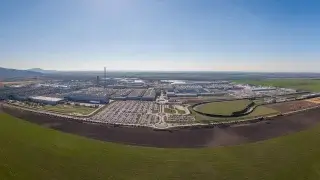 Four in Ten Companies Would Not Choose Slovakia

Photo: Unsplash
Business activity in France’s private sector rose less than anticipated in December, reinforcing signs of stagnation in the euro area’s second-largest economy. S&P Global’s composite Purchasing Managers’ Index slipped to 50.1 from 50.4 a month earlier, hovering just above the threshold that separates expansion from contraction. Unexpected weakness in services offset the strongest manufacturing performance in more than three years.
Manufacturing steadies as services weaken
France’s manufacturing sector has shown signs of stabilization after a prolonged period of pressure. Investment by non-financial firms rose at its fastest pace in over two years during the third quarter, while industrial production exceeded expectations. In contrast, the services sector — more closely tied to domestic demand — lost momentum, leaving overall business conditions broadly flat.
Consumers remain cautious
Households, traditionally the backbone of France’s economic growth, continue to restrain spending. Consumer expenditure increased by just 0.1% in each of the past two quarters, while the savings rate reached a record high. This persistent caution among consumers is weighing heavily on service-sector activity and limiting the economy’s growth potential.
Political resilience meets economic limits
France has shown unexpected resilience to political turbulence, including repeated government collapses and uncertainty surrounding fiscal policy. Both the central bank and the government have suggested that economic expansion this year could exceed earlier forecasts. Still, the absence of an approved budget and strong competitive pressure from the US and China continue to undermine business confidence.
PMI signals fragile outlook
PMI surveys are closely watched by markets as early indicators of economic turning points. The latest data suggest that France’s economy is hovering on the edge between marginal growth and stagnation, with no clear catalyst for acceleration in the near term.
As reported by International Investment experts, France’s experience highlights a structural challenge across the euro area: manufacturing stabilization alone is insufficient to drive sustained growth without a recovery in consumer demand. Entering 2026, restoring household confidence and policy predictability will be critical to avoiding prolonged economic inertia.