







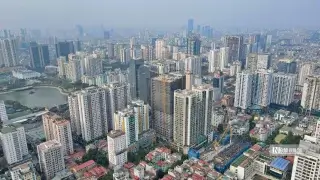
 Vietnam Mortgage Surge Pushes Homes Out of Reach
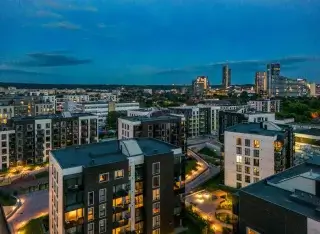 Lithuanian Apartment Prices Accelerate Across Major Cities
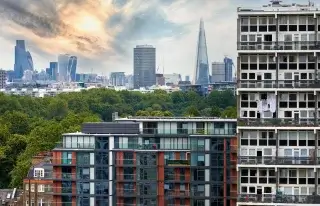 London Flats Lose Value Ahead of Leasehold Reform
 Construction of the Batumi–Sarpi Highway Begins in Georgia
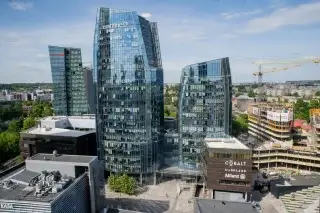 Baltic Property Investment Accelerates in 2026
 Hong Kong and Singapore Renew Their Expat Rivalry
Buenos Aires: the rental market amid a sharp drop in tourist arrivals to Argentina
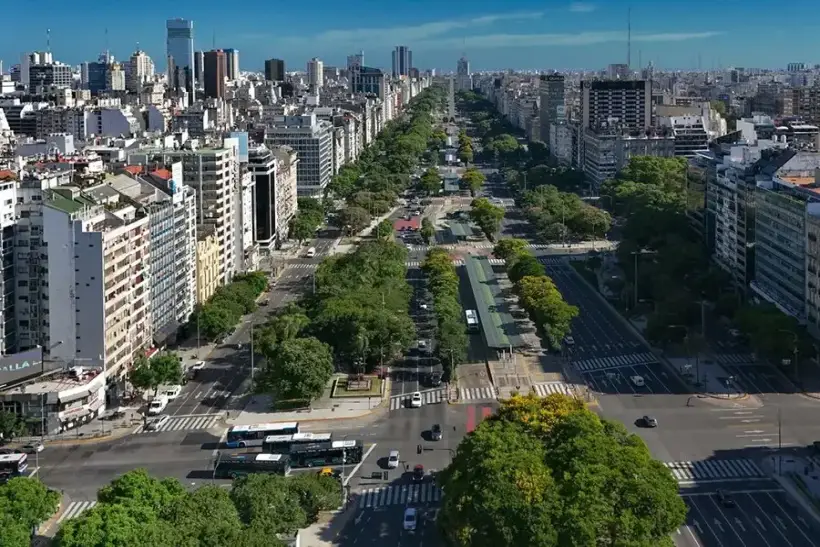
Buenos Aires remains one of the largest short-term rental markets in the region. From December 2024 to November 2025, 23,754 listings were active on Airbnb in the city, while the average annual income rose by 8.9%, reports AirROI. However, experts note that the overall segment is in decline due to falling tourist traffic to Argentina.
Dynamics of the Buenos Aires real estate market
Peak revenues occur in March, when average income reaches $1,138 with 61% occupancy. Strong performance is also recorded in July — $1,125 and 55%, and in December — $1,096 and 58%. In May, the level falls to $877. The weakest month is June, with only $865 and 46% occupancy.
In November, revenues remain above the lower threshold ($970), although the average daily rate drops to its annual minimum — $60. In October, ADR reaches its peak ($68), although occupancy also falls to 46%. The gap between the strongest and weakest months is $273, indicating moderate but stable seasonality.
Profitability also depends on property type: 10% of listings earn from $1,875 per month, the median stands at about $777, while the bottom quartile is $406. A similar pattern is seen in occupancy: top-performing units exceed 90%, the average remains at 54%, and the weakest operate at around 26%.
Geography of housing demand in Buenos Aires
Six districts remain the most in-demand for short-term rentals. Palermo attracts a younger audience thanks to its concentration of cafés, bars and cultural venues. Recoleta appeals to the premium segment due to European-style architecture and proximity to museums. San Telmo is popular with tourists seeking historical atmosphere and tango culture. Puerto Madero is forming as a modern business cluster and serves corporate stays. Belgrano offers calmer conditions and demand for long-term family rentals. Microcentro maintains high occupancy thanks to its location near business and tourist hubs.
Market benchmarks show that traditional long-term rentals of two-bedroom apartments in Palermo, Recoleta or Belgrano cost from 750,000 to 1,150,000 pesos per month ($535–820). Furnished units with all bills included for 3–12 months are offered at 850,000–1,400,000 pesos ($605–1,000), depending on location and equipment level.
Regulation and new requirements in Argentina’s housing market
Buenos Aires historically had low regulatory pressure, but the city authorities have introduced mandatory registration for properties rented for up to 90 days. Registration is done through the digital platform TAD, after which the listing receives a registration number required for online platforms. A municipal Urban Use Fee of $1.5 per night applies to tenants over 18 years old. The new rules do not apply to mid-term leases of 3 to 12 months.
Following the regulatory reform (DNU), which clearly separated short-term (up to 90 days) and mid-term (3–12 months) contracts, many owners began shifting away from tourist rentals toward more stable lease models. Market participants say that short stays have become less profitable: high vacancy and maintenance costs reduce real yields. In contrast, leases of three months or more ensure stable occupancy and lower operating costs, even with a lower daily equivalent rate.
Sharp decline in tourist inflow to Argentina
The National Institute of Statistics and Census (INDEC) recorded a steep drop in tourist arrivals. In August 2025, Argentina received 220,800 international visitors — 31.2% fewer than in the same month of 2024. From January to August, the total was 1.8 million, down 29.8%. This is the lowest level since 2021. Declines were observed even among traditional source markets such as Brazil, Chile and Uruguay.
According to the agency, average spending per tourist is about $10,000, which means a sharp loss of revenue in destinations such as Buenos Aires, Mendoza, Bariloche and El Litoral, where international travel previously supported much of the hospitality and gastronomy sector. The short-term rental segment saw turnover fall by 35%, and demand for tourist apartments dropped by nearly 40%.
Assessment of investment prospects in Argentina
According to International Investment, current market conditions make the short-term rental segment in Buenos Aires less predictable for investors. Risks stem not only from falling revenues due to lower occupancy, but also from rising operating expenses, the need for mandatory registration and possible changes to regulations amidst ongoing government reforms. Experts note that if the trend persists, investors will continue shifting toward mid-term rentals targeting local tenants, students and corporate clients — as a more stable option in a shrinking international demand environment.