







read also
 Vietnam Mortgage Surge Pushes Homes Out of Reach
 Lithuanian Apartment Prices Accelerate Across Major Cities
 London Flats Lose Value Ahead of Leasehold Reform
 Construction of the Batumi–Sarpi Highway Begins in Georgia
 Baltic Property Investment Accelerates in 2026
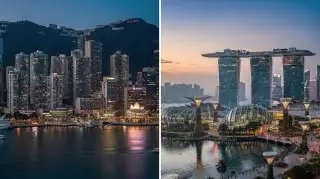 Hong Kong and Singapore Renew Their Expat Rivalry
Tourism Crisis in the United States: Stricter Entry Rules and Rising Costs Have Crashed Visitor Numbers in California, Florida and Las Vegas

Photo: Travel and Tour World
The American tourism industry is heading into 2026 with a significant decline. Instead of the expected inflow of visitors, major states — California, Florida and Nevada — are recording a sharp drop in international arrivals. New visa fees, social media screenings and additional entry requirements have made travel to the U.S. more expensive and complicated, and more tourists are cancelling their trips, reports Travel and Tour World. With the 2026 FIFA World Cup approaching, this trend looks particularly alarming.
Decline in International Arrivals
In 2025 the downturn in inbound travel has become evident across several major U.S. destinations. Nevada saw international visits fall by around 13%, and June figures were 11% below last year. Las Vegas experienced an even sharper drop: hotel occupancy decreased by 15%, affecting resorts and casinos.
In California, international arrivals in the first half of the year fell by 1.43% compared to the same period in 2024. This affects activity in Los Angeles, San Francisco and coastal resort areas. In Florida, visits from Europe and Canada — traditionally strong source markets — have declined. Orlando and nearby resorts report a weaker season: fewer multi-stop tours and reduced activity during peak months.
Hawaii is also seeing a drop in foreign visitor numbers, especially in long-haul travel and resort regions where overseas tourists historically made up a significant share. A similar trend is visible in the states of Washington, Arizona, Colorado and Texas. In the northern border states — Maine, Vermont and New Hampshire — short trips from Canada have declined, reducing hotel occupancy and seasonal revenue for small businesses. In some areas, the decrease has reached double-digit levels, altering long-established cross-border travel patterns.
Drivers of the Decline
The key shifts in the U.S. inbound tourism market in 2025 stem from stricter entry rules, rising travel costs and reduced international promotion of the country.
Fees and Screenings. In 2025 the new $250 Visa Integrity Fee increased the cost of non-immigrant visas. Processing times have also grown: in many consulates applicants wait months, meaning some travellers do not receive their documents in time for the season. In addition, the list of required personal data has expanded: foreign nationals must provide a five-year history of social media accounts, previously used phone numbers, email addresses and information about close relatives. These requirements were extended to travellers from ESTA-eligible countries as well.
Financial pressure on foreign visitors has increased due to the strong dollar and higher prices for flights, accommodation and car rental. And the situation is set to worsen. Starting in 2026, new fees will apply in national parks: $250 for non-residents to access federal natural areas, plus an additional $100 to visit top parks such as Yellowstone or Yosemite. These changes hit long multi-state routes the hardest, especially those including several natural sites. Tour operators are adjusting package prices, shortening itineraries or modifying activities.
Geopolitics and trade. In 2025 travel planning became more complicated in several markets due to trade and tariff disputes between the U.S. and other countries. This affects trips with layovers, especially when itineraries include multiple states or transit through third countries. With a reduced budget, Brand USA cut its presence at international exhibitions and scaled down marketing campaigns, lowering visibility in key markets.
Risks and Outlook
The weakening of inbound traffic increases uncertainty ahead of the major 2026 events that were expected to boost the tourism sector. The U.S. is preparing to host the FIFA World Cup, the Los Angeles Olympics, Super Bowl LX and the America 250 celebrations, but current trends indicate that actual demand may fall short of earlier forecasts. In host cities — New York, Los Angeles, Miami and others — planning for the season is becoming more difficult as hotels and service providers face the risk of under-occupancy during traditionally strong periods.
The negative impact has already reduced the number of extended itineraries, and business travel has declined as well, affecting corporate programs and work-related visits. These trends are expected to intensify, weakening destinations that have long relied on a mix of leisure and business traffic.
According to analysts from International Investment, the combined effect of stricter entry rules, rising travel costs and declining U.S. visibility in the global tourism market is slowing the industry’s recovery. With major 2026 events approaching, inbound demand may fall short of expectations, creating risks for revenue planning and peak-season performance.