







read also
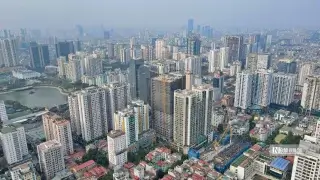 Vietnam Mortgage Surge Pushes Homes Out of Reach
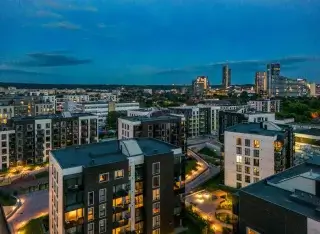 Lithuanian Apartment Prices Accelerate Across Major Cities
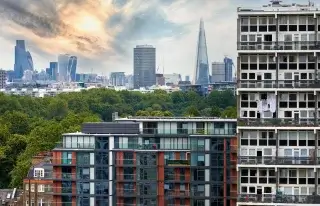 London Flats Lose Value Ahead of Leasehold Reform
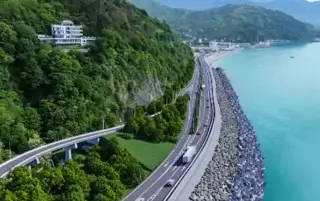 Construction of the Batumi–Sarpi Highway Begins in Georgia
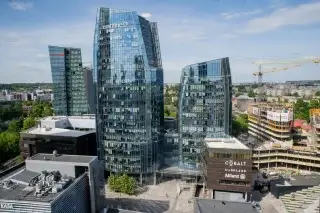 Baltic Property Investment Accelerates in 2026
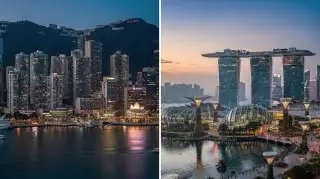 Hong Kong and Singapore Renew Their Expat Rivalry
Formula 1 Returns to Portugal

After a multi-year absence, Formula 1 is officially set to return to Portugal in the 2027 and 2028 seasons. The races will once again take place at the Autódromo Internacional do Algarve in Portimão, a circuit that previously hosted the championship during the 2020 and 2021 pandemic seasons. The comeback is secured through a two-year agreement involving Formula One Management, the Portuguese government, Turismo de Portugal and the local circuit operator Parkalgar.
Tourism strategy and global positioning
Portuguese authorities view the return of Formula 1 as a strategic tool for economic growth and international positioning. The agreement aligns with the country’s national tourism strategy and aims to strengthen Portugal’s image as a modern and ambitious destination for global events. Each Grand Prix is expected to generate at least €140 million in economic impact and attract more than 200,000 visitors, many of them from international markets.
Algarve circuit as a global showcase
The Portimão circuit is widely praised for its dramatic elevation changes and rollercoaster-style layout, making it a favorite among drivers and fans. At the same time, the Algarve region remains one of Portugal’s top tourism destinations, known for its coastline, resorts and hospitality infrastructure. Hosting Formula 1 is expected to deepen the connection between motorsport and tourism, extending the season and boosting regional demand.
Economic impact beyond race weekend
Officials stress that the benefits of Formula 1 go well beyond the race itself. With a global television audience approaching one billion viewers, the event provides lasting visibility for Portugal and the Algarve. Local small and medium-sized businesses, from hotels to restaurants and transport services, are expected to see sustained gains from the international exposure and visitor inflows.
As International Investment experts report, Formula 1’s return to Portugal should be seen as a long-term branding and investment play rather than a standalone sporting event. For Portugal, it represents a powerful lever to attract tourism, capital and global attention at a time when competition among destinations for major international events is intensifying.