












Business / Real Estate / Tourism & hospitality / Analytics / News / France / Tourism France 16.01.2026
French chambres d’hôtes Face 2026 Squeeze
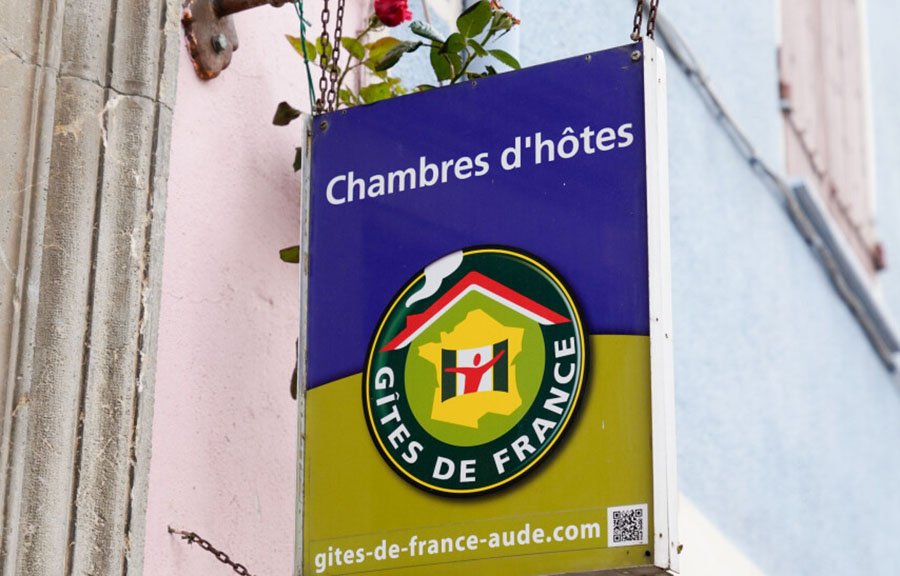
Фото: про
Across France, owners of chambres d’hôtes are warning that tax and social charge changes expected to apply from January 1, 2026 could push thousands of small guesthouses toward closure. The measures were designed to curb the boom in Airbnb-style short-term rentals, yet the sector argues that traditional B&Bs, especially family-run businesses operating under the micro-BIC framework, are being hit hardest.
Uncertainty has increased because attempts to carve out exemptions for chambres d’hôtes have been caught up in broader budget disruption, leaving operators without clarity at a time when many 2026 bookings have already been taken.
Why micro-BIC Changes Matter
At the center of the concern is the tightening of the micro-BIC regime. For unclassified short-term furnished tourist rentals, the turnover ceiling for micro-BIC is set at €15,000 with a 30% flat allowance for expenses, materially raising taxable income compared with the previous structure.
For classified properties and chambres d’hôtes, the parameters applied to 2025 income declared in 2026 are a €77,700 ceiling and a 50% allowance, again increasing the taxable base relative to earlier, more generous rules.
For small B&Bs, the impact is amplified by their cost structure. Unlike self-contained weekly lets, chambres d’hôtes typically provide daily housekeeping, laundry, and breakfast, all of which compress margins when the flat allowance is reduced.
Social Charges Risk and the “Double Hit” Fear
The second pressure point is social contributions. Legal and sector voices have highlighted the risk that chambres d’hôtes run under auto-entrepreneur status could see contributions rise from 12.3% to 21.2% depending on how the activity is categorized, a scenario viewed as potentially devastating for low-income operators.
Even without a rate change, micro-entrepreneur contributions are calculated as a fixed percentage of turnover rather than profit, which is precisely the vulnerability for service-heavy accommodation. Industry representatives also point to inconsistent guidance at local level, making it difficult to price 2026 stays or forecast net income with confidence.
Why an Anti-Airbnb Tool Can Hit Rural B&Bs
Policy logic is rooted in housing shortages in high-pressure areas and the desire to discourage large-scale short-term letting. But chambres d’hôtes are often primary-residence guest rooms, and in many rural areas they provide essential accommodation where hotels are scarce. French institutional and professional discussions have acknowledged that aligning chambres d’hôtes with tourist furnished rentals has raised viability concerns across the sector.
The paradox is that closing a small guesthouse does not necessarily return housing stock to the long-term market, because owners typically continue to live in the same property. What disappears is the local tourism capacity that supports regional economies and slow-travel routes.
What Comes Next in 2026
For some operators, moving to the régime réel may allow a more accurate reflection of costs through actual expense deductions, but it also brings heavier accounting obligations and, in many cases, professional fees. Meanwhile, Urssaf has signaled that the administrative and status framework can shift for certain short-term letting activities from 2026, adding another layer of uncertainty for micro-entrepreneurs planning ahead.
As a result, the sector is entering 2026 with a forced re-evaluation of business models: some will attempt to optimize classification and pricing, others will switch regimes, and some will exit if the post-tax, post-charge outcome no longer compensates for the workload.
As experts at International Investment report, the key 2026 risk for chambres d’hôtes is the combination of tighter micro-BIC parameters with regulatory uncertainty around social charges. Without targeted adjustments that reflect the reality of service-based B&Bs, France could see a decline in rural accommodation capacity without delivering the housing market relief policymakers intend.