







read also
 Vietnam Mortgage Surge Pushes Homes Out of Reach
 Lithuanian Apartment Prices Accelerate Across Major Cities
 London Flats Lose Value Ahead of Leasehold Reform
 Construction of the Batumi–Sarpi Highway Begins in Georgia
 Baltic Property Investment Accelerates in 2026
 Hong Kong and Singapore Renew Their Expat Rivalry
Business / Real Estate / Tourism & hospitality / Analytics / News / United Kingdom / Real Estate Britain / Tourism Britain / Investments 26.01.2026
Tax Nightmare for Hotels and Cafes in the UK
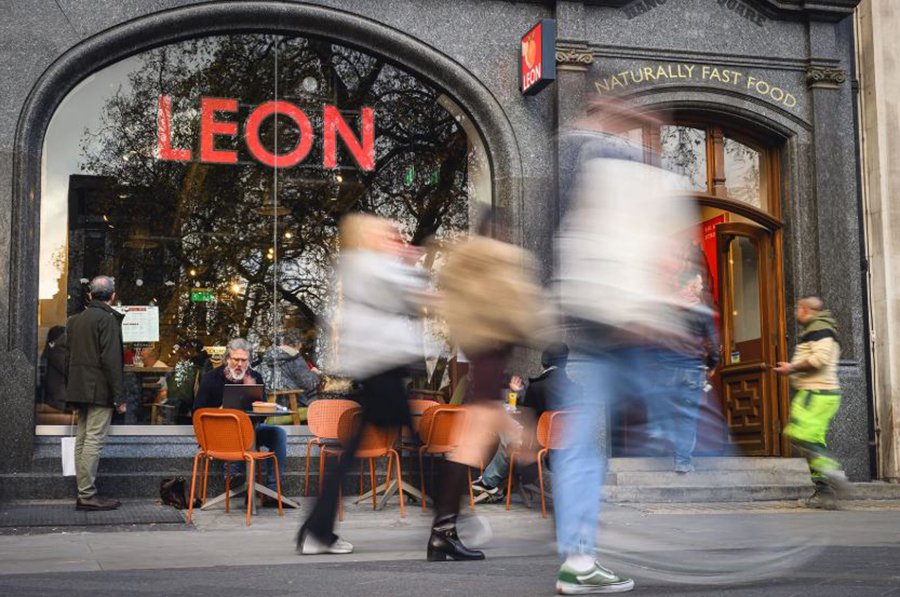
Photo: Bloomberg
The UK hospitality sector is bracing for a sharp increase in tax pressure amid a reform of business rates — a tax on commercial property. Industry experts say expansion plans across the country are being put on hold, while some companies are preparing to shift operations outside the UK. The sector fears a wave of closures and job cuts as early as this spring, writes Bloomberg.
End of Relief Measures
The conflict was triggered by Chancellor Rachel Reeves’ November budget, which confirmed higher business rates — the tax on commercial property. Business rates are calculated as the assessed value of a property multiplied by a set coefficient (multiplier). Reeves announced a reduction in the multiplier for more than 750,000 companies, but a revaluation of properties and the end of pandemic-era relief mean higher bills for the hospitality sector.
The new rates will come into force as early as April. For the industry, this means a further increase in mandatory costs. At the World Economic Forum in Davos, Reeves said that pubs would soon receive support to cushion the blow. Hotels, holiday parks, restaurants and nightclubs, however, are likely to be left out of this targeted assistance.
A government spokesperson also said that a £4.3 billion support package is in place for the hospitality sector as a whole, aimed at limiting bill increases. Authorities stress that the measures are complemented by keeping corporate tax capped at 25%, cutting red tape and steps to ease cost-of-living pressures.
Market Impact
Rising business rates coincide with higher mandatory expenses across the hospitality sector. Companies are facing an increase in the minimum wage, higher National Insurance contributions, rising rental and energy costs, as well as the introduction of a tourism tax for hotels.
Against this backdrop, the first operational consequences are already emerging. The Leon chain has closed 15 outlets and cut staff shortly after the brand was bought back from Asda. The closures came just two months after the change of ownership. Brand owner John Vincent linked the decision to rising tax pressure and said support should apply not only to pubs but to the entire sector. He described the current situation as an “extreme tipping point” created by government policy.
UK Hospitality reports that after two budgets under the Labour government, additional costs for the sector amount to around £7 billion, largely due to tax changes. Nearly 200,000 jobs have been lost since July 2024. If current tax policy remains unchanged, a further 100,000 positions could be at risk. The association also warns that more than 2,000 companies may close in 2026 — roughly six businesses per day — with almost half expected to be restaurants.
New Investment Strategies
Amid rising tax pressure, companies are revising their long-term development plans. The Salad Project, focused on the healthy food segment, has slowed its expansion in London and shifted its focus to international markets. Founder Florian de Chezelles said that under the new business rates environment it is no longer possible to maintain прежние темпы роста for new projects in the UK. His chain operates 12 sites in London, but further domestic expansion is now seen as economically unjustified.
The Salad Project has raised capital from investors, including Deliveroo founder Will Shu, and plans international expansion starting with Paris. The company previously considered opening up to 40 locations in the UK, but de Chezelles noted that in the current tax climate it is virtually impossible to find 30–40 sites in London that make financial sense.
Political Context
Before coming to power, the Labour Party pledged to reform the business rates system and level the playing field between offline businesses and online companies. At the same time, the tax remains one of the Treasury’s largest sources of revenue: the government expects to collect around £37 billion in the next financial year, with receipts projected to reach about £42 billion by 2030.
This month, more than 130 hotels and holiday parks, including Premier Inn owner Whitbread Plc, submitted an appeal to the Chancellor asking her not to raise business rates, calling the measure the “most significant challenge” to business sustainability.
Opposition parties are increasing pressure on the government. Conservative shadow business secretary Andrew Griffith said that a U-turn excluding the wider hospitality sector from support would be “criminal”.
Conclusion
Analysts at International Investment note that, taken together, the business rates reform is creating a new financial reality for the hospitality sector, where rising tax pressure coincides with the end of crisis-era support measures and higher operating costs.
If the government maintains its fiscal priorities and the budget’s heavy reliance on this tax, the industry will have limited room for manoeuvre, increasing the risks of further closures, job losses and a shift of investment activity outside the UK.
Tags: UK, hospitality, hotels, cafes, business rates, taxes, commercial property, economy, investment, labour market