












Middle East Conflict Pushes Global Food Prices Higher
The Guardian
Global food prices have risen for the second consecutive month due to increased energy and fertilizer costs amid the Middle East conflict, Euronews reports, citing UN data. Supplies remain stable, but potential problems with future harvests could lead to further price increases.
Price Increases: Energy and Logistics Risks
The FAO global food price index, which tracks monthly changes in a basket of internationally traded food commodities, rose by 1% in March 2026 compared to the same period in 2025. The main driver was higher production and transportation costs amid geopolitical tensions.
The Guardian notes that on a month-to-month basis, prices increased by 2.4%. The largest rises were observed in sugar (+7%) and vegetable oils (+5%). Global wheat prices increased by 4.3% in March, driven by deteriorating crop conditions and drought concerns in the US, as well as reduced plantings in Australia due to high fertilizer costs. This was partly offset by better crop conditions in Europe and strong export competition.
David Georges Robert Laborde, Director of FAO’s Agricultural Economics Division, emphasized that global food prices have not yet surged sharply, as they did at the start of the war in Ukraine in 2022. Constraining factors include high harvests in the US and Asian countries, as well as large food reserves. “Before the crisis, a drop in commodity prices was expected due to good harvests and high stocks. Therefore, the current conflict does not lead to a sharp spike in prices,” he explained. “This concerns future harvests, not the food currently available.”
Challenges for UK Farmers
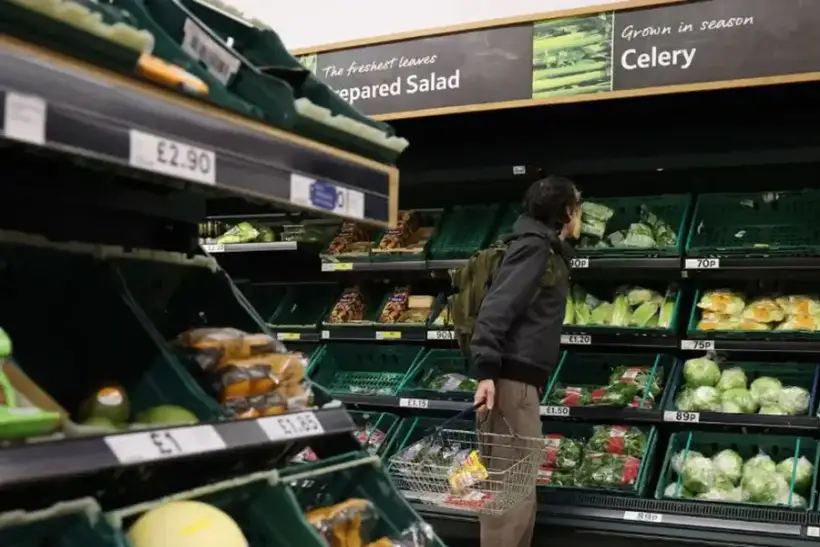
UK farmers are already reporting difficulties: producers of salad vegetables and dairy are facing rising costs. The British Tomato Growers’ Association warns that in the next six weeks, consumers may notice higher prices for tomatoes, peppers, and cucumbers due to increased gas costs for heating greenhouses.
The Food and Drink Federation, representing 12,000 manufacturers, forecasts food price growth of 9% by the end of 2026, nearly triple the previous forecast of 3.2% made before the conflict. This forecast assumes that the Strait of Hormuz will reopen within 2–3 weeks and that major energy facilities (oil, gas, fertilizers) will return to normal operation within a year — which is far from guaranteed.
Companies in the UK are expected to raise prices even faster. A Bank of England survey of more than 2,000 finance directors showed an expected price increase of 3.7% next year, compared with 3.4% in February. Expected overall inflation across the economy rose from 3% to 3.5%.
Global Economic Outlook
Up to a third of globally traded fertilizers and about 20% of natural gas pass through the Strait of Hormuz. A prolonged blockade of this key transport route could cause significant structural changes in the global agricultural market. Farmers may be forced to reduce plantings or use fewer fertilizers, leading to lower yields and further increases in food prices.
According to UN forecasts, if the crisis continues, global food costs could rise by 15–20% in the first half of 2026. Analysts at International Investment note that while current supplies remain relatively stable and harvests are high in certain regions, the market remains vulnerable. Any additional shocks — droughts, energy supply disruptions, or a new escalation of conflict — could trigger sharp price spikes and intensify inflationary pressures in the global economy.