







 Tanker Hits Cruise Ship in the US
 Best Cities in Europe for Real Estate Investment
 This Year Has Been a Record-Breaker for Tbilisi Hotels — Shalva Alaverdashvili
 Friends, Shopping, and Leisure: Why and at What Age Do Georgian Residents Travel Abroad Most Often?
 Home Purchases by Foreigners in Armenia Rose 47%
 Gandagana: A Journey Through Adjara Without Leaving the City
Thousands of US Flights Canceled After Major Technical Outage
AP news
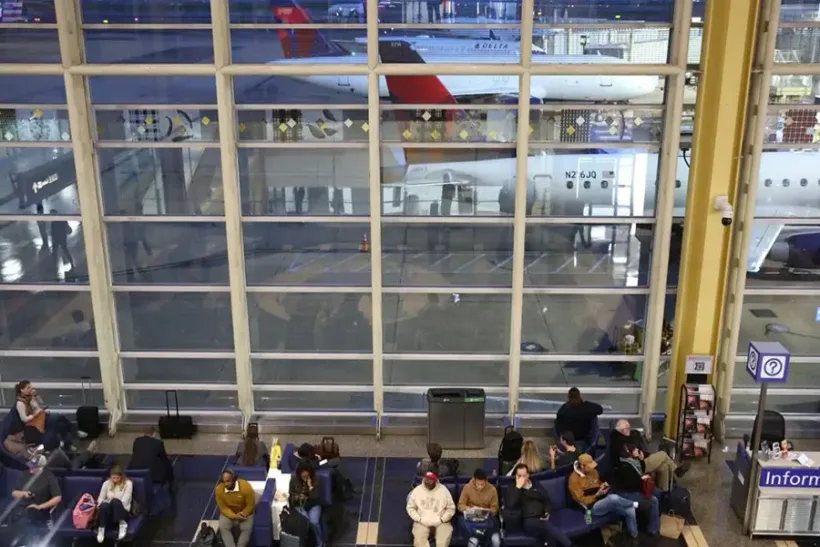
A major technical failure disrupted aviation operations across the United States on November 13 and 14. More than 7,000 flights were canceled over the two days, while over 10,000 were delayed. About 1.5 million passengers were affected. The technical problems have been resolved, and airlines are working to restore schedules, although a return to normal operations may take several days.
Flights Grounded at Airports Across the United States
At approximately 3:36 p.m. Eastern Time on November 13, several US air traffic control centers reported communication disruptions with flight crews and errors in radar data transmission. For safety reasons, the Federal Aviation Administration (FAA) halted departures at all US airports. The restrictions were lifted at 8:15 p.m., more than four hours later.
At the time departures were halted, more than 3,500 aircraft were in US airspace. By the end of Friday, US flight cancellations had surpassed 4,700, with 10,000 delays, Reuters reported, citing Flightradar24. Aviation disruptions continued on Saturday: airlines removed more than 2,500 additional departures from their schedules, according to the Associated Press.
Around 11,000 flights were scheduled to leave US airports after 4 p.m. on Friday. Those services were expected to carry more than 1.5 million passengers, according to aviation analytics company Cirium. A shortage of aircraft at departure airports and limits on crew duty hours complicated efforts to restore schedules.
Which Airports and Airlines Were Affected
The disruption affected major US aviation hubs, including Chicago, Atlanta, Dallas, Los Angeles, Boston and San Francisco. In New York, passengers faced delays at John F. Kennedy International Airport, LaGuardia and Newark Liberty International Airport. Lines formed at service desks as travelers sought new bookings, while some looked for overnight accommodation or alternative transport.
United Airlines canceled most of its remaining flights on November 13, while maintaining selected international services. JetBlue removed evening departures from its schedule except for flights to Europe from New York and Boston. Canada's Air Canada suspended services between the US and Canada for the rest of Friday, ABC News reported.
Carriers introduced special ticket-change arrangements for passengers traveling during the restrictions. Delta allowed free changes to flights scheduled for November 13–14. United waived change fees and fare differences when passengers kept the same route and cabin class. JetBlue offered rebooking for travel through November 18 at no extra charge.
Causes and Impact on US Tourism and Business
According to the US Department of Transportation's preliminary assessment, outdated routers and switches were overloaded, triggering the technical failure in the US. Transportation Secretary Sean Duffy said newer equipment continued to operate normally. Officials found no signs of a cyberattack, while the AI-enabled SMART system was not connected to the affected equipment. The investigation is ongoing.
Duffy warned that restoring normal schedules would take time. Officials expect regular air services to resume by November 26, when the United States celebrates Thanksgiving. The timing is particularly important for airlines because travel demand rises sharply during the holiday period.
The incident has renewed scrutiny of air traffic control infrastructure. In January 2023, a failure of the pilot alert system also led to a nationwide ground stop, but restrictions lasted about 90 minutes, compared with more than four hours this time. Congress has already allocated $12.5 billion to air traffic control modernization, while the administration is seeking another $30 billion.
Analysts at International Investment note that hotels near airports may earn additional revenue from unplanned overnight stays, while properties at travelers' destinations risk losing bookings. Airlines face the cost of rerouting flights, assisting passengers and repositioning crews. Business travel is particularly vulnerable when meetings and events are disrupted: tickets can be refunded, but missed commercial opportunities are much harder to recover.