







 Turkey Is Losing Its Cheap-Holiday Advantage
 Development Is Rewriting Southeast Asia’s Historic Districts
 How Ukraine’s New-Build Housing Market Has Changed Over Four Years
 European Prime Rents Rise as Property Yields Turn Higher
 The Most Expensive Airlines in Europe in 2026
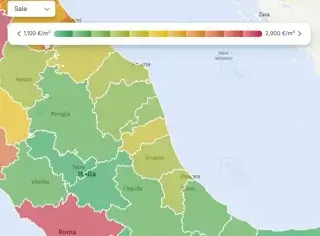 Housing Prices in Italy Reach a Two-Year High
Canada Housing Starts to Ease Through 2028

Canada’s residential construction sector is entering a period of moderation as weaker demand, rising inventories and economic uncertainty weigh on new development. According to the latest Housing Market Outlook released by the Canada Mortgage and Housing Corporation on February 10, 2026, housing starts are expected to decline through 2028, with notable regional differences across the country.
National outlook: demand remains subdued
CMHC projects that Canada’s economy will grow slowly in 2026 as households and businesses remain cautious amid geopolitical and trade uncertainty. Slower population growth is also reducing housing demand, prompting many households to delay home purchases and builders to postpone new projects.
At the national level, home sales are expected to remain below historical averages. After prices fell in 2025, modest gains are forecast for 2026. Elevated rental construction will continue to add supply, although activity is set to moderate over the forecast period as vacancy rates rise.
Regional divergence: Ontario and British Columbia under pressure
Construction and home sales in Ontario and British Columbia are projected to stay below their 10-year averages. By contrast, markets in the Prairies and Quebec are expected to perform above long-term norms, supported by comparatively stronger local economic conditions.
Kevin Hughes, CMHC Deputy Chief Economist, noted that economic caution is affecting markets unevenly. Stronger local fundamentals could support activity in Montreal and Calgary, while weaker conditions may further slow demand and construction in Toronto and Vancouver.
Toronto: condominium slowdown continues
In Toronto, housing starts are projected to remain low in 2026 as condominium construction continues to decline. Strong rental starts will partly offset the downturn, but higher vacancy rates and slower rent growth may challenge future rental supply. Sales are expected to increase compared to 2025 yet remain below historical averages.
Vancouver: high costs and rising vacancies
Vancouver’s housing starts are expected to trend downward as high construction costs and weakening demand limit new project activity, particularly in the condominium segment. The completion of rental units launched over the past four years will keep vacancy rates elevated, placing downward pressure on rent growth and future rental construction.
Montreal: sustained strength after record year
Following record growth in 2025, housing starts in Montreal are expected to remain high in 2026. Rental development continues to drive residential construction, and the influx of new units will push vacancy rates higher.
Calgary and Edmonton: return to balance
In Calgary, new construction is forecast to moderate after several years of rapid expansion and record activity. As more rental units enter the market, vacancy rates will rise, slowing rent growth.
Edmonton is expected to see a moderate decline in housing starts as inventories remain elevated, population growth slows and market conditions rebalance. Increased rental supply will also lift vacancy rates and temper rent increases.
Ottawa and Halifax: softer conditions ahead
Ottawa’s housing starts will slow in 2026 after reaching historically high levels in 2025. The rental market is expected to soften further as fewer international students and workers relocate to the region.
In Halifax, housing starts are projected to decline from recent historic highs as the market transitions from rapid population-driven growth to more moderate conditions. Despite easing demographic pressures, a strong labour market is expected to support modest increases in sales and prices.
CMHC’s broader role
The 2026 Housing Market Outlook covers Canada as a whole and 18 major census metropolitan areas, including Victoria, Regina, Saskatoon, Winnipeg, Hamilton, Kitchener–Cambridge–Waterloo, Windsor, St. Catharines–Niagara, London, Gatineau and Québec. CMHC plays a central role in promoting stability in Canada’s housing finance system through mortgage insurance, research and policy support aimed at improving affordability and sustainability.
As experts at International Investment note, the latest CMHC outlook signals a structural cooling phase in Canada’s housing cycle. Over the coming years, demographic trends, financing conditions and regional economic resilience will shape market performance, while excess supply in the condominium segment is gradually absorbed.