







 Turkey Is Losing Its Cheap-Holiday Advantage
 Development Is Rewriting Southeast Asia’s Historic Districts
 How Ukraine’s New-Build Housing Market Has Changed Over Four Years
 European Prime Rents Rise as Property Yields Turn Higher
 The Most Expensive Airlines in Europe in 2026
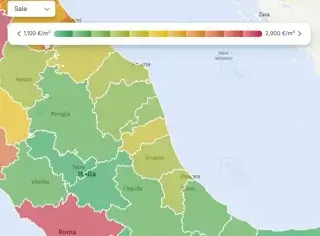 Housing Prices in Italy Reach a Two-Year High
Cyprus New-Build Market Tops €2.5bn

Apartment Sales Drive Property Growth in 2025
Cyprus’ new-build residential property market surpassed €2.5 billion in 2025, confirming strong nationwide activity. According to Landbank Analytics, based on Land Department data, a total of 7,819 contracts were filed for newly built homes, including off-plan developments.
Apartments dominated the market with 6,382 transactions, accounting for 81.6% of all sales and generating €1.77 billion in value. House sales totalled 1,437 transactions worth €737.9 million.
The most expensive transaction involved a Limassol apartment sold for approximately €15.2 million, while the highest-priced house reached around €6.2 million.
Nicosia Reflects Stable Domestic Demand
Nicosia recorded 2,171 new residential transactions, including 1,836 apartments and 335 houses. Apartment sales generated €349.6 million and houses €105.5 million.
Average apartment prices in the capital stood near €190,000, the lowest nationwide, while houses averaged around €315,000, confirming the city’s stable and locally driven market profile.
Limassol Strengthens Its Investment Leadership
Limassol registered the highest overall activity with 2,207 transactions, including 1,936 apartments and 271 houses. Apartment sales generated €824.1 million, representing 83.9% of the district’s total value, while houses contributed €157.9 million.
Average apartment prices exceeded €425,000 and houses averaged €583,000, reinforcing Limassol’s role as Cyprus’ primary investment and premium property centre.
Larnaca Maintains Competitive Mid-Market Position
Larnaca recorded 2,020 transactions, with 1,770 apartment sales worth €353 million and 250 house sales valued at €96.3 million.
Average prices stood close to €200,000 for apartments and €385,000 for houses, positioning the district firmly within the mid-market segment.
Paphos Leads in House Pricing
Paphos completed 1,078 transactions and ranked second nationwide in value at €503.2 million. Houses generated €287.8 million and apartments €215.4 million.
The district recorded the highest average house price in free Cyprus at approximately €710,000, while apartments averaged €320,000, confirming its premium residential profile.
Famagusta Focuses on Holiday Homes
Famagusta registered the lowest transaction volume with 343 deals and was the only district where houses outnumbered apartments, 176 to 167.
Houses generated €90.4 million and apartments €32.4 million. Average apartment prices were around €194,000, while houses exceeded €513,000, reflecting demand for holiday and coastal properties.
Market Outlook and Structural Trends
Landbank Group CEO Andreas Christophorides stated that apartments clearly dominate, accounting for 81.6% of residential sales across Cyprus. Limassol leads apartment pricing, Paphos tops house prices, Nicosia underpins domestic demand, Larnaca maintains competitive activity, and Famagusta reflects holiday home demand.
While Cyprus’ new-build market has surpassed €2.5 billion and apartment sales dominate transactions, the investment landscape warrants a more nuanced assessment.
First, the strong concentration of activity in Limassol creates potential overheating risks. Average apartment prices above €425,000 and house prices around €583,000 are largely driven by foreign and investment capital. This makes the market sensitive to shifts in international tax frameworks, regulatory tightening within the EU, and capital flow volatility.
Second, districts such as Paphos and Famagusta remain heavily exposed to premium and holiday-home demand. With average house prices in Paphos reaching approximately €710,000, valuations are increasingly linked to external buyers. In periods of global financial tightening or geopolitical uncertainty, resort-oriented markets historically experience sharper corrections.
Third, broader macro indicators show underlying stress in the domestic segment. The growth of Build-to-Rent models and the rise in foreclosures of mid-priced primary residences signal affordability pressures among local households. This divergence may create a dual-speed market, where high-end investment developments continue while domestic purchasing power weakens.
Additionally, the 2026 tax reform introduces structural considerations for property investors operating through corporate vehicles. The corporate tax increase to 15% and changes to dividend and capital gains rules may reduce net yields for certain holding structures, especially where cross-border planning is involved.
There is also a supply-side consideration. Sustained development activity in selected urban areas may lead to localized oversupply in the apartment segment if foreign demand moderates. Rental yields, which have benefited from limited availability in recent years, could face pressure if new inventory outpaces absorption rates.
As International Investment experts note, Cyprus remains an attractive EU-based real estate destination, but 2026 requires a more disciplined investment approach, careful regional diversification, realistic yield projections, and close monitoring of regulatory and macroeconomic developments.