







 How Ukraine’s New-Build Housing Market Has Changed Over Four Years
 European Prime Rents Rise as Property Yields Turn Higher
 The Most Expensive Airlines in Europe in 2026
 Housing Prices in Italy Reach a Two-Year High
 Travellers Increasingly Choose Cooler Scandinavia
 Serbia Property Sales Decline as Transaction Value Rises
Hungary Property Market Enters a Calmer Phase in 2026
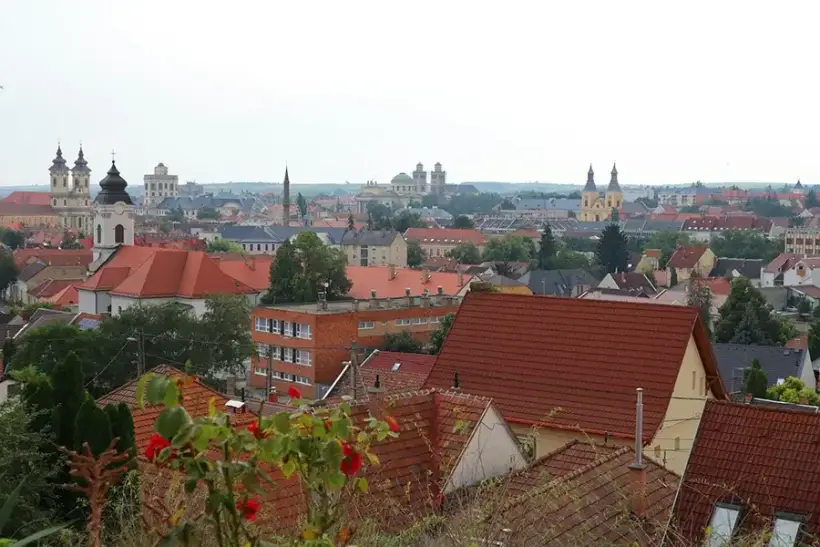
After a year of sharp price increases and intense competition in 2025, Hungary’s property market has started 2026 in a more balanced and cautious mood. Transaction data from Duna House indicate that buyers have regained negotiating power, and price sensitivity has increased across most segments.
Majority of Transactions Close Below Asking Price
In January 2026, 78% of buyers purchased property below the original list price, up from 74% at the beginning of 2025. At the same time, the share of overbidding transactions declined slightly from 6.2% to 5.8%.
According to Péter Szegő, chief analyst at Duna House, 2025 represented a turning point driven by returning investors and government subsidies that frequently triggered bidding wars. At the start of 2026, these pressures have eased, and buyers are more deliberate and value-conscious.
With earlier price increases already embedded in the market, including panel flats in Pest exceeding HUF 1 million per square metre, purchasers are scrutinising value more carefully.
Regional Differences Across Hungary
Within Budapest, market conditions differ significantly. On the Buda side, average discounts remain modest at around 3.4%, reflecting seller confidence. On the Pest side, buyers negotiate more assertively, achieving average reductions of 4.8%.
Outside the capital, negotiation margins widen. Average discounts approach 7% nationwide. In eastern cities such as Miskolc and Debrecen, typical negotiations range from 4–8%. In western Hungary, particularly around Győr, brick apartments in good condition command firm pricing, while detached houses often sell with discounts exceeding 10%.
Pécs: A Clear Buyer’s Market
Pécs stands out as one of the strongest bargaining environments. In January 2026, 88% of transactions closed below asking price. Double-digit discounts are not uncommon for panel flats. In one case, a buyer negotiated nearly 13% off the list price, reducing it from HUF 39 million to HUF 34 million.
Markets in Szeged and Debrecen appear more balanced, with average negotiations around 4–5%. In Győr, sellers of brick apartments continue to hold firm, with buyers typically securing only 1–2% reductions.
Property Type Dynamics
Detached houses present the greatest variation. Modern suburban homes may still attract competing offers, while outdated rural houses frequently sell at 10–15% discounts. In extreme cases, reductions can exceed 25%.
Panel flats remain resilient due to lower maintenance costs, with discounts generally limited to 1–3% in Budapest and up to 4% in regional markets. Renovation-required brick apartments often sell at 5–8% below asking price, while prime, move-in-ready city centre units can still spark selective bidding.
Outlook for Hungary’s Housing Market in 2026
The current environment clearly favours buyers, as sellers adjust expectations and pricing becomes more realistic. Competitive bidding has not disappeared entirely but is now limited to high-quality properties in scarce supply.
As experts at International Investment report, Hungary’s real estate market is transitioning into a phase of stabilisation after the rapid expansion of 2025. Provided macroeconomic conditions remain stable and interest rates do not rise sharply, a sharp price correction appears unlikely, though the market is expected to align more closely with genuine purchasing power.