







 Vietnam Mortgage Surge Pushes Homes Out of Reach
 Lithuanian Apartment Prices Accelerate Across Major Cities
 London Flats Lose Value Ahead of Leasehold Reform
 Construction of the Batumi–Sarpi Highway Begins in Georgia
 Baltic Property Investment Accelerates in 2026
 Hong Kong and Singapore Renew Their Expat Rivalry
Gold Holds Losses as Ceasefire Risks Rise
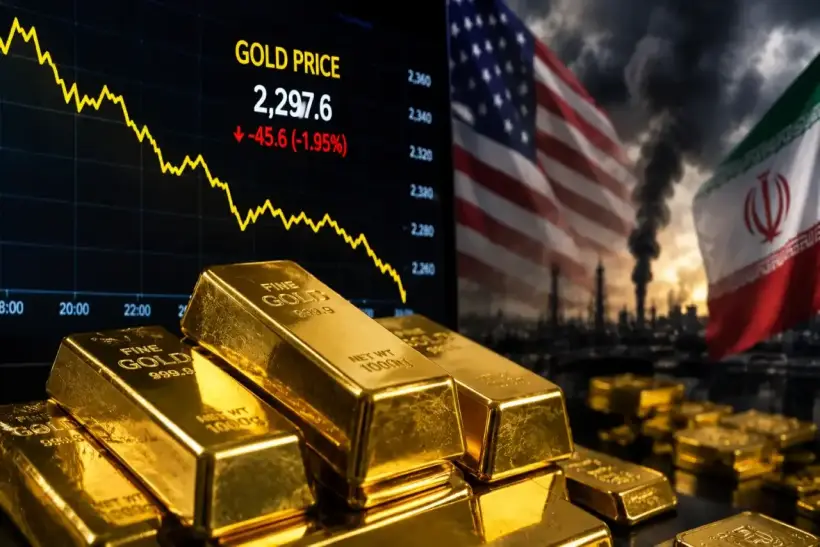
Gold pressured by fragile ceasefire
Gold prices declined as tensions in the Middle East intensified and the US-Iran ceasefire showed signs of breaking down. Bloomberg reported that bullion was weighed down as geopolitical risks pushed inflation expectations higher
This reflects a shift in how markets interpret conflict-driven risk.
Inflation becomes dominant driver
Rising energy costs linked to the conflict are feeding into inflation. Disruptions around the Strait of Hormuz — a key global oil route — are increasing transportation and production costs worldwide
Higher inflation reduces gold’s appeal because it increases the likelihood of tighter monetary policy and higher interest rates.
Safe-haven dynamics shift
Gold traditionally benefits from geopolitical uncertainty, but in 2026 the relationship is more complex. While risk supports demand, strong dollar conditions and elevated yields counterbalance the safe-haven effect.
Markets are increasingly reacting to macroeconomic consequences rather than geopolitical headlines alone.
Volatility driven by mixed signals
Recent market data shows gold fluctuating as ceasefire expectations change. Prices rise on signs of de-escalation and fall when tensions increase.
Financial media note that markets remain volatile as investors balance geopolitical risks with expectations for US monetary policy
Focus shifts to central bank policy
Investor attention is now focused on how central banks respond to inflation rather than on the conflict itself. The trajectory of interest rates is becoming the primary driver of gold prices.
This suggests that future movements in gold will depend more on monetary policy than on geopolitical developments alone.
As experts at International Investment report, gold’s current behavior reflects a structural shift in global markets. Geopolitical risk alone no longer guarantees price gains. If conflict leads to higher inflation and sustained interest rates, gold may weaken despite ongoing instability. The key variable in 2026 is how central banks respond to inflationary shocks.
FAQ
Why is gold falling despite geopolitical tensions?
Because rising inflation increases expectations for higher interest rates, reducing gold’s appeal.
What role does the Strait of Hormuz play?
It is a critical oil transit route, and disruptions there raise global energy costs.
How do interest rates affect gold?
Higher rates make non-yielding assets like gold less attractive.
Is gold still a safe-haven asset?
Yes, but its performance now depends heavily on inflation and monetary policy.