







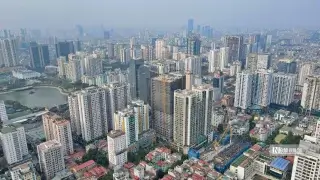
 Vietnam Mortgage Surge Pushes Homes Out of Reach
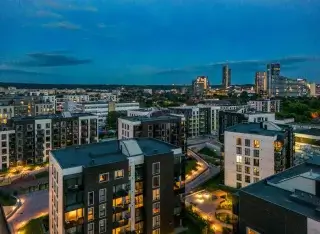 Lithuanian Apartment Prices Accelerate Across Major Cities
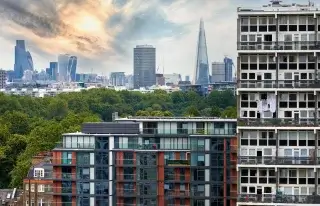 London Flats Lose Value Ahead of Leasehold Reform
 Construction of the Batumi–Sarpi Highway Begins in Georgia
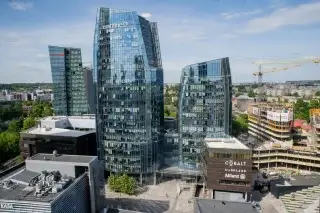 Baltic Property Investment Accelerates in 2026
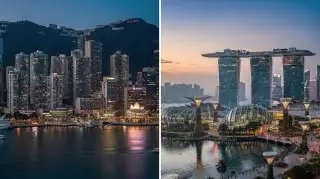 Hong Kong and Singapore Renew Their Expat Rivalry
Rome Housing Market Gains Momentum
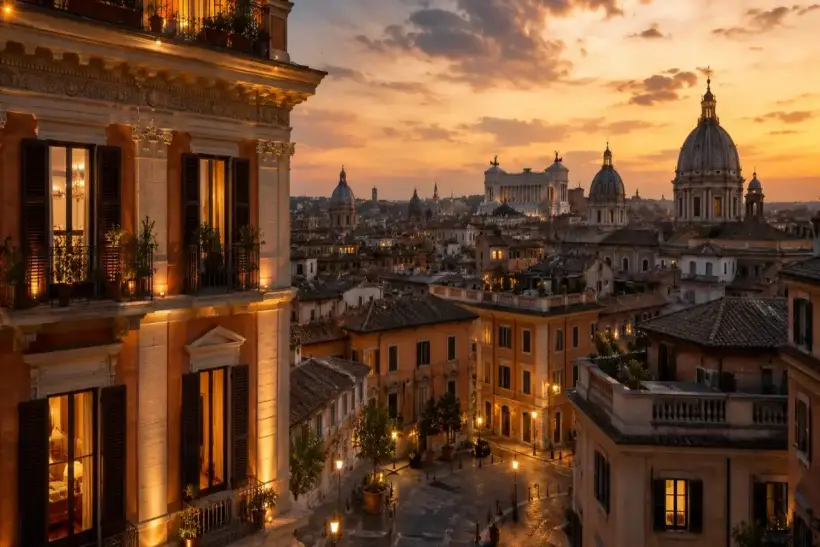
Rome’s residential property market entered 2026 with rising prices and unusually wide gaps between districts. According to Italian Real Estate Company, which published its analysis on May 1, 2026, the Italian capital remains a fragmented market where the average price says little about the value of a specific property.
Rome home prices reached a local peak
The average asking price for residential property in Rome reached €3,759 per square meter in March 2026, up 6.28% from March 2025. It was the highest level recorded over the previous two years. Rental prices also increased, reaching €18.33 per square meter per month, up 4.74% year on year, according to Immobiliare.it.
The key issue for buyers is not the citywide average, but the range. Peripheral areas such as Lunghezza and Castelverde can trade near €1,875 per square meter, while the historic center exceeds €8,700 per square meter. That makes Rome a market of micro-locations rather than a single broad bet.
The historic center remains the top tier
Centro Storico, Rome’s historic center, sits at the top of the market. Average prices exceed €8,700 per square meter, while rare apartments in prestigious buildings or near major landmarks can trade at much higher levels. Aventino, Parioli and Prati generally remain in the €6,000–€6,700 per square meter range.
Trastevere and Testaccio continue to attract strong demand because of their identity, limited supply and rental appeal. Trastevere is especially visible among foreign buyers seeking a mix of historic character, lifestyle demand and income potential.
Semi-central districts are gaining investor attention
Trieste, Salario and Bologna form a more balanced segment of the market. Prices typically stand around €5,500–€6,000 per square meter, supported by local residents, professionals and buyers looking for access without paying the full historic-center premium.
Monteverde, Eur and Fleming offer a lower entry point, at about €4,000–€4,800 per square meter. These districts are relevant for investors focused on stable rental demand and capital preservation rather than quick resale gains.
Italy’s recovery supports Rome without overheating it
Italy’s broader housing market is improving, supported by rising demand and limited new supply, although weak macroeconomic conditions still weigh on the pace of growth, Global Property Guide reported.
Against that backdrop, Rome differs from Milan. Milan is more exposed to corporate demand and remains Italy’s most expensive city, while Rome is shaped by its administrative, cultural, tourism and institutional role.
Luxury homes follow a separate logic
Rome’s luxury market is concentrated in Centro Storico, Parioli, Aventino, Prati and selected parts of Trastevere. In this segment, value depends not only on size, but also on architecture, views, building quality, legal clarity and scarcity.
A meaningful share of premium transactions takes place off market. For international buyers, that means access to legal, technical and advisory networks can be as important as the purchase budget itself.
Rental demand strengthens the investment case
Rome remains one of Europe’s major tourism and education centers, supporting both short-term and long-term rentals. In central districts, rents can approach €27.9 per square meter per month, while peripheral areas remain closer to €10–€13.
Short-term rental strategies remain focused on the historic center and Trastevere, but regulation and competition require more selective underwriting. Investors seeking steadier income increasingly look at Trieste, Bologna and Monteverde.
Infrastructure upgrades add to Rome’s appeal
Urban improvements linked to the 2025 Catholic Jubilee added another layer of demand. The Times reported investment in transport and city upgrades, as well as new residential projects offering modern amenities such as coworking spaces, gyms and roof terraces.
Those changes do not remove Rome’s long-standing challenges, including bureaucracy, uneven housing quality and limited supply in prime areas. But they strengthen the city’s appeal for foreign buyers, remote workers and wealthy families seeking a European base.
As experts at International Investment report, Rome in 2026 is not a fast-speculation market but a market of disciplined selection. The opportunity lies in choosing the right district, verifying the asset and understanding rental depth. Buyers who rely only on the citywide average risk overpaying; investors who assess micro-location, legal quality and liquidity gain access to one of Southern Europe’s deepest residential markets.
FAQ
How much does property cost in Rome in 2026?
The average asking price in March 2026 was about €3,759 per square meter, but prices ranged from roughly €1,875 to more than €8,700 per square meter depending on the district.
Where is the most expensive property in Rome?
The historic center is the most expensive area. Aventino, Parioli, Prati, Trastevere and Testaccio also remain among the city’s strongest premium districts.
Is Rome attractive for rental investment?
Yes, but the strategy depends on location. The center and Trastevere are more exposed to tourism rentals, while Trieste, Bologna and Monteverde offer steadier long-term rental demand.
How is Rome different from Milan?
Milan is more driven by business and corporate demand. Rome is more fragmented and shaped by tourism, public institutions, culture, education and international lifestyle demand.