







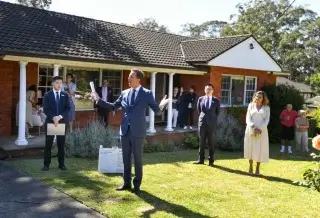
 Australia’s Spring Auctions Rise but Remain Well Below 2025
 Number of Foreigners Holding Turkish Residence Permits Exceeds 1.27 Million
 Demand from Russian Tourists for Holidays in Georgia Rises by 20–25%
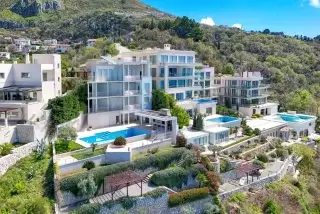 Montenegro Property Buying Costs in 2026
 Four in Ten Companies Would Not Choose Slovakia
 Gulf Countries Prepare Unified Tourist Visa
Italy Discovers the Silver Housing Boom
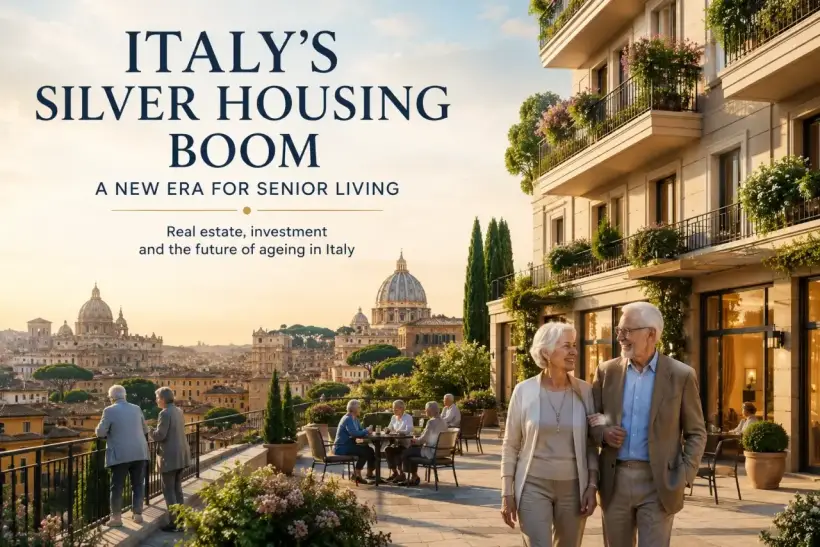
Italy is rapidly expanding a new real estate segment for older residents as the country’s traditional family-based elder care system begins to weaken. Reuters reports that developers and investors are increasingly targeting “silver housing” — residential projects for independent seniors combining housing, services, healthcare support and social infrastructure.
An ageing population is reshaping Italy’s housing market
Italy remains one of Europe’s oldest countries. According to national statistics bureau ISTAT, more than 24% of Italians are already aged 65 or older, with that share projected to approach 30% by 2035. The number of elderly people living alone could reach 6.5 million by 2050, or around 11% of the population.
At the same time, Italy’s long-standing intergenerational care model is under pressure. Later childbirth, higher female workforce participation and rising living costs are making it harder for families to care simultaneously for children and ageing parents.
Reuters cited the case of 85-year-old Umberto Giuggiarini, who moved into Aris Senior Living in Rome after spending most days alone while his son’s family was away at work and school.
Silver housing emerges as a new property class
The new developments sit between traditional apartments and nursing homes. They target older residents who can still live independently but seek social interaction, services and light assistance.
Unlike conventional nursing facilities focused on intensive medical care, silver housing projects emphasize autonomy, comfort and quality of life. Many complexes include restaurants, fitness facilities, communal spaces, medical support and 24-hour staff.
Reuters quoted 87-year-old Maria Arena, who said she decided to move into Aris Senior Living only after a difficult experience in a traditional nursing home that she described as depressing because of the number of wheelchair-bound residents.
Investors see a long-term growth opportunity
The sector is attracting significant investment interest. PwC estimates, based on ISTAT data, that Italians over 50 control most of the country’s financial and real estate wealth, while citizens above 60 generate between 20% and 30% of gross domestic product.
State-backed lender Cassa Depositi e Prestiti, through its Real Asset unit, is partnering with pension agency INPS, Rome’s Gemelli Hospital and Investire SGR on a €130 million project to convert nine buildings in Rome into senior living residences.
In Milan, investment manager Hines and partners are redeveloping a former racecourse into 300 senior apartments, while international property group Dils is marketing another 87 apartments in a separate development.
High costs limit the market to wealthier retirees
Despite rapid expansion, silver housing remains affordable mainly for wealthier pensioners. Reuters reported that monthly fees typically range from €1,500 to €4,000, while the average Italian pension remains below €1,500 net per month.
As a result, most projects are concentrated in northern and central Italy, where household incomes are significantly higher than in the south.
Some residents fund their stay by renting out their own homes. Reuters cited 90-year-old Silvana Vitacolonne, who leases her apartment in Rome to help pay for her accommodation at Aris Senior Living.
Italy seeks alternatives to an overloaded care system
The ageing population is also becoming a fiscal challenge. A study by Intesa Sanpaolo showed Italy spent around €31 billion in 2021 supporting elderly people in healthcare facilities, with costs continuing to rise.
The bank said increasing the autonomy of older adults is becoming essential for the sustainability of Italy’s welfare system.
Against that backdrop, silver housing is increasingly viewed not only as a real estate category but also as a way to reduce pressure on the public care system.
Demand already exceeds supply
Operators say demand is outpacing available capacity. Mariuccia Rossini, founder and chief executive of Over, told Reuters the company already has waiting lists, indicating demand is stronger than current supply.
The sector nevertheless faces cultural resistance, particularly in southern Italy, where family-based elder care remains deeply rooted.
As experts at International Investment report, Italy is effectively creating a new hybrid real estate segment combining housing, healthcare and hospitality. Ageing demographics, weakening family support structures and the concentration of wealth among people over 60 are turning silver housing into one of Europe’s fastest-growing property niches. However, high monthly costs mean the sector still primarily targets affluent retirees and investors focused on premium service-based residential assets.
FAQ
What is silver housing in Italy?
Silver housing refers to residential communities for older adults who can live independently but want access to services, healthcare support and social interaction.
Why is the sector growing?
The main drivers are population ageing, rising numbers of elderly people living alone and the decline of traditional family-based care.
How much does it cost?
Monthly fees generally range from €1,500 to €4,000 depending on the project and services provided.
Where is the market developing?
Most projects are concentrated in Rome, Milan and other parts of northern and central Italy.
Why are investors interested?
Older Italians control a large share of national wealth, while demand for service-based senior housing continues to grow faster than supply.