







 Vietnam Mortgage Surge Pushes Homes Out of Reach
 Lithuanian Apartment Prices Accelerate Across Major Cities
 London Flats Lose Value Ahead of Leasehold Reform
 Construction of the Batumi–Sarpi Highway Begins in Georgia
 Baltic Property Investment Accelerates in 2026
 Hong Kong and Singapore Renew Their Expat Rivalry
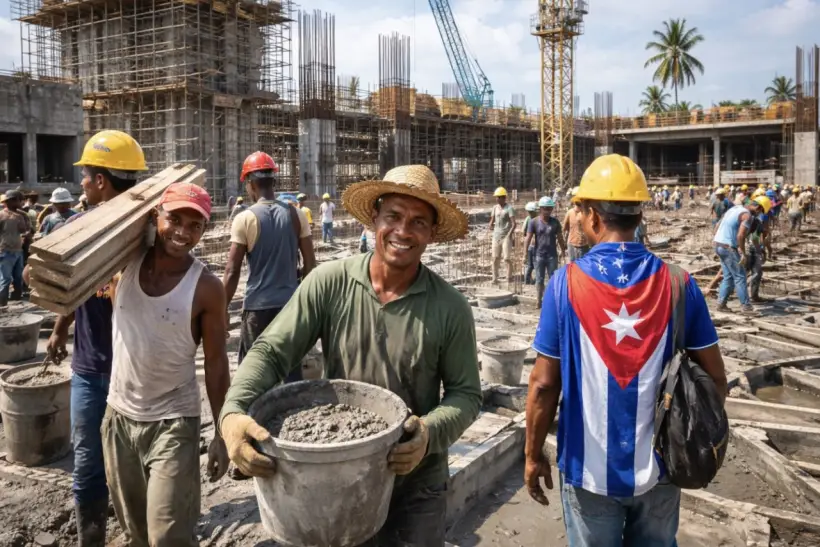
An increasing number of Cuban nationals are moving to Guyana in search of construction jobs as economic pressures at home intensify and migration to the United States becomes more challenging under the current U.S. administration.
Growing Demand for Construction Labor in Guyana
Guyana, a rapidly expanding petrostate with a population of around 955,000, is experiencing a construction boom. The government has allocated substantial funds to infrastructure projects — from roads and bridges to schools — and the private sector has also stepped up investments. Due to a shortage of local labor, companies are increasingly turning to migrant workers, with a notable rise in Cuban arrivals over recent years.
Why Cubans Are Choosing Guyana
Economic conditions in Cuba remain difficult, marked by prolonged stagnation, limited trade, and shrinking opportunities at home. For many Cubans, Guyana offers the prospect of legal employment in construction, a chance to earn income to support families, and an alternative to routes to the United States, where immigration policies have tightened under the current administration.
Community and Integration Challenges
Estimates suggest several thousand Cubans now reside in Guyana, many of whom stayed after initially arriving for work. Migrant community leaders point out that the lack of stable legal status and citizenship impedes full integration: highly skilled professionals often find themselves in low-skill jobs, and credentials are frequently not recognized.
Challenges for Guyana’s Economy and Society
While the influx of migrant labor helps fill workforce gaps and supports infrastructure growth, it has sparked discussions about long-term migration policy in Guyana. The government faces the challenge of balancing economic needs, migrant rights protections, and the integration of foreign workers into society.
As reported by experts at International Investment, the current migration trend reflects a broader geopolitical context: mounting economic pressure on Cuba is driving citizens to seek work abroad, while destination countries must develop effective frameworks for integrating and protecting migrant labor.