







read also
 Argentina Rents Rise but Lag Inflation
 Hungary Plans Wealth Tax Above 1 Billion Forints
 China Rewrites Its New-Home Sales Model
 Apartment Sales in Tbilisi and Batumi Reached $485 Million in July
 Migrant Regularization Changes Spain’s Labor Market Statistics
 Lithuania’s Economy Accelerates in the Second Quarter
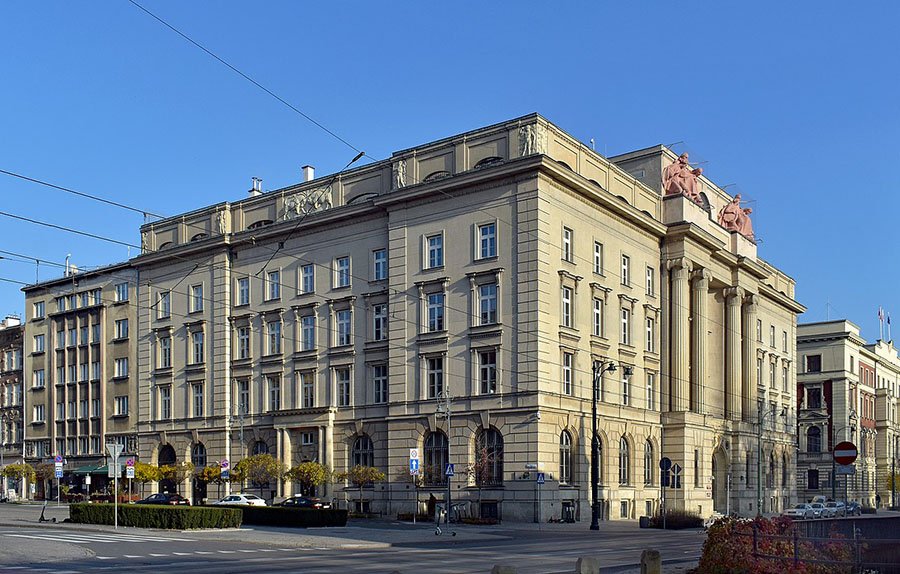
Photo: Wikipedia
Poland may return to cutting interest rates as early as next month amid improving prospects for price dynamics. The Monetary Policy Council is discussing the possibility of such a move, although views differ due to the government’s loose fiscal policy and related risks, reports Bloomberg.
At its latest meeting, the regulator kept the key interest rate unchanged at 4%, taking a pause to assess the impact of last year’s easing totaling 175 basis points. As noted, the cumulative effect of these steps has not yet been fully reflected in the economy, calling for a cautious approach to further decisions.
At the same time, some members of the Monetary Policy Council already allow for a resumption of easing, and their estimates of the potential scale largely coincide. Ludwik Kotecki believes conditions are improving and expects more favorable price dynamics. In his view, the rate within the cycle should fall by at least 50 basis points from the current level. Henryk Wnorowski also refers to a similar benchmark but insists on a more cautious approach, pointing out that the government’s loose fiscal policy amplifies macroeconomic risks.
National Bank of Poland Governor Adam Glapiński also speaks of the potential for easing of around half a percentage point, viewing the slowdown in price growth as a sustainable trend. At the same time, he does not set a specific timeframe for a decision, allowing for both a February meeting and a later date.
Following statements by council members, market assessments have shifted. Whereas forward-rate agreements previously priced in a rate cut of 52 basis points, they now point to 57. Economists at Bank Pekao forecast a 25-basis-point cut in the key rate as early as February, noting that further decisions will depend on fiscal policy parameters and price dynamics, with consumer price growth in December slipping slightly below the 2.5% target. In their view, this points to a new type of inflation risk — a deviation from the target on the downside.
The European Commission expects Poland’s gross domestic product to grow by 3.5% in 2026, implying more moderate growth compared with previous estimates. Inflation is projected to continue easing and approach around 2.9%, close to the National Bank’s target. At the same time, pressure from public finances is set to persist: the budget deficit is expected to remain above 6% of GDP, while public debt will continue to rise.
The Organisation for Economic Co-operation and Development projects GDP growth of around 3.4% along with further easing of price pressures. The OECD notes that the combination of resilient domestic demand and expanded budget spending increases the burden on public finances and constrains the scope for economic policy.
The International Monetary Fund notes that Poland faces one of the highest budget deficit burdens in Europe and recommends strengthening measures to reduce debt levels and fiscal imbalances in order to mitigate sustainability risks over the medium term.
Analysts at International Investment note that Poland’s current macroeconomic backdrop differs from previous years, when policy decisions were made amid accelerating price growth and overheated domestic demand. The focus has now shifted to slowdown risks and the impact of fiscal policy on economic resilience, calling for a more balanced approach to further steps.